
Tools
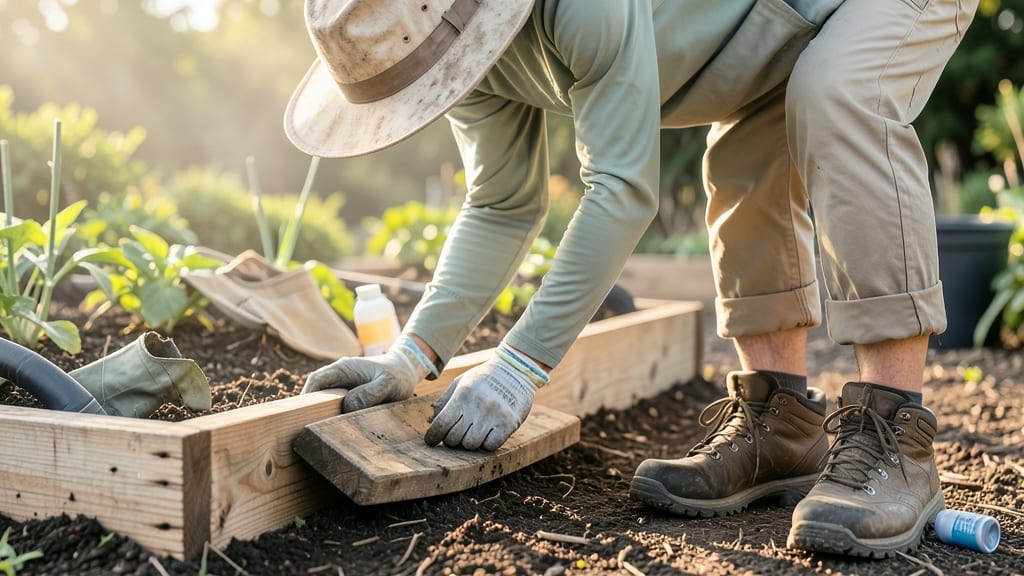
What to wear when gardening includes long-sleeved shirts, durable pants, sturdy closed-toe shoes, and a wide-brimmed hat to protect from sun, debris, and skin irritation while ensuring comfort and mobility. Layer clothing for seasonal changes and prioritize breathable fabrics like cotton or moisture-wicking materials.
Gardening demands practical clothing that balances protection and flexibility. 🌱 Your outfit should shield against UV rays, sharp tools, and seasonal elements while allowing free movement. For example, lightweight long sleeves block sunburn while breathable cotton keeps you cool in summer.
In cooler months, layering with moisture-wicking base layers prevents chills from sweat evaporation. I always recommend adding knee pads and gloves to my list—these small additions make long gardening sessions much more comfortable and reduce strain injuries.
Don't overlook footwear either. Sturdy, closed-toe shoes with good traction prevent slips on wet soil or uneven terrain. A wide-brimmed hat isn't just for style—it blocks harmful UV rays that can cause long-term skin damage.
The right clothing transforms gardening from a chore into an enjoyable outdoor activity where you can focus on the plants without worrying about discomfort or safety risks.
💡 In This Article
- Seasonal Gardening Clothing Essentials
- Safety Gear and Protective Clothing for Gardeners
Seasonal gardening clothing essentials
Spring gardening calls for lightweight, breathable layers that protect against morning dew and unpredictable showers. Start with a moisture-wicking base layer like merino wool or synthetic blends to pull sweat away from your skin—this keeps you dry when bending over for 30-60 minutes of planting.
Add a long-sleeved shirt with a 50+ UPF rating to block 98% of UV rays, which are strongest during spring's longer daylight hours. A lightweight windbreaker (around 4-6 ounces) provides protection against sudden chills while allowing air circulation.
Summer demands the most sun protection, so prioritize loose-fitting, tightly woven fabrics that create a physical barrier against UV rays. A wide-brimmed hat with at least 3-inch brims blocks 50% more UV radiation than a baseball cap.
Pair it with lightweight, long-sleeve shirts made from bamboo or linen, which offer breathability while providing UPF 30-50 protection. For footwear, opt for ventilated work boots with arch support—your feet will thank you after 2-3 hours of weeding in 80°F+ temperatures.
Don't forget a bandana or cooling towel soaked in water for instant relief during peak sun hours.
Fall gardening requires a strategic layering system to adapt to 50-70°F temperature swings between morning and afternoon. Begin with a thermal base layer (like polyester or wool) that traps body heat, then add a fleece mid-layer for insulation. Top it with a water-resistant shell jacket to shield against autumn rains.
For hands, gardening gloves with touchscreen-compatible fingertips provide 3-5mm of insulation while allowing dexterity for delicate tasks like transplanting seedlings. In windy conditions, consider a windproof vest with adjustable straps to keep leaves and debris from blowing into your face.
Winter gardening transforms your wardrobe into a high-performance system designed to regulate body temperature in 32-50°F conditions. Start with a windproof, waterproof outer shell rated for 10,000mm water resistance—this prevents snowmelt from soaking through.
Layer underneath with a down or synthetic insulated jacket (with at least 500 fill power) that compresses to 1/4 its size without losing loft. For extremities, wear thermal-lined gloves with waterproof membranes and insulated, waterproof boots rated for -10°F temperatures.
The key is to avoid cotton—it retains moisture and conducts cold, making you feel 30% colder when wet.
Seasonal transitions require smart fabric choices that adapt to changing conditions. For example, polyester blends dry 4x faster than cotton, making them ideal for spring showers. In summer, linen's natural ventilation allows air to circulate through its 100+ weave threads per inch, reducing heat stress.
Fall's layering system creates microclimates near your skin—your base layer stays dry while the outer shell blocks wind chill. Winter's insulated materials use trapped air pockets (like a duck's down) to create a 36°F insulating barrier around your body, maintaining core temperature even in freezing conditions.
Pro tip: Color matters in seasonal visibility. Bright orange or yellow outer layers increase visibility by 50% compared to dark colors, making you stand out to wildlife and neighbors. This is especially important in winter when natural light is limited.
For all seasons, prioritize elasticized cuffs and waistbands—they prevent dirt and pests from entering your clothing while allowing full range of motion for digging, pruning, and reaching.