
Tools
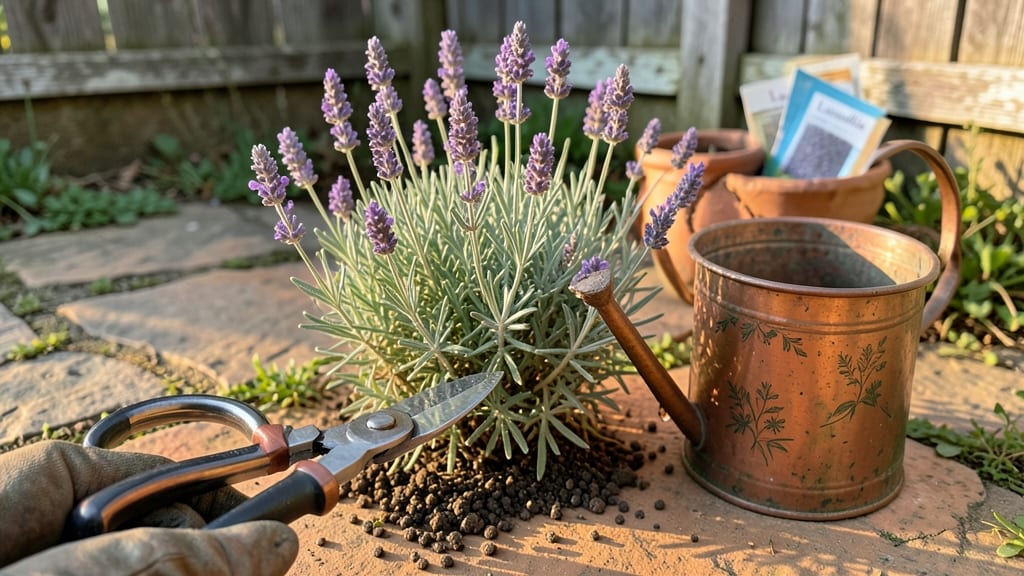
Synonyms for gardening include terms like horticulture, landscaping, cultivation, tending plants, and green thumb work, each reflecting different scales—from home plots to professional grounds—while preserving the core focus on plant care and outdoor growth.
Gardening isn't just one activity—it's a broad practice with specialized vocabulary depending on your goals. 🌱 For example, horticulture leans scientific, focusing on plant cultivation techniques, while landscaping emphasizes design and outdoor aesthetics.
Terms like tending plants or container gardening highlight specific methods, whether you're working with small pots or large-scale gardens. Even industry professionals use niche words like permaculture or urban farming to describe sustainable or city-based growing practices.
Understanding these variations helps you communicate more precisely, whether you're chatting with fellow hobbyists or collaborating with landscapers. The right term can clarify everything from soil prep to seasonal planting strategies, making your gardening journey smoother and more rewarding.
💡 In This Article
- Horticulture vs Gardening: Key Terminology Differences
- Regional and Niche Gardening Terms You Should Know
Horticulture vs gardening: key terminology differences
The core distinction between gardening and horticulture lies in their scope and purpose. Gardening typically refers to the practical, hands-on cultivation of plants—whether vegetables, flowers, or ornamental shrubs—in smaller, often residential spaces.
It's the art of nurturing plants for personal enjoyment, food production, or aesthetic beauty, often guided by trial and error or intuitive knowledge. In contrast, horticulture is a specialized field of agriculture that applies scientific principles to plant cultivation, focusing on techniques like propagation, pest management, and crop optimization. 🌱
For example, a home gardener might experiment with companion planting to deter pests, while a horticulturist would analyze soil microbiomes or study plant pathology to develop systemic solutions. Horticulture also encompasses commercial-scale operations like nurseries or greenhouses, where precision matters—think temperature-controlled environments, hydroponic systems, or genetic breeding programs.
Meanwhile, botany (the study of plants) and agriculture (large-scale farming) serve as broader scientific and industrial frameworks, respectively, that inform horticultural practices but aren't synonymous with gardening.
Historically, the terms evolved alongside societal needs. Gardening emerged as a practical skill in early human settlements, while horticulture became formalized during the 18th-century Agricultural Revolution, when scientists like Carl Linnaeus classified plants and developed systematic cultivation methods.
Today, gardening remains accessible to amateurs, while horticulture requires specialized training—like degrees in plant science or landscape architecture. This divide explains why a gardener might use terms like "pruning" or "mulching", while a horticulturist would discuss "phytohormones" or "soil amendments".
The scale also plays a critical role. Gardening often operates on a small-scale, personal level—think backyard plots or window-box herbs—where creativity and adaptability reign. Horticulture, however, scales up to meet commercial demands, such as mass-producing flowers for markets or developing drought-resistant crops.
Even the tools differ: a gardener’s hand trowel contrasts with a horticulturist’s soil pH meter or climate-controlled growth chamber. This distinction isn’t rigid, though—many professional gardeners blend both disciplines, using scientific insights to refine their craft.
Consider the term "cultivation", which bridges both worlds. In gardening, it might mean gently turning compost into soil with a fork. In horticulture, it could involve tissue culture—growing plants from cells in a lab. The key difference?
Gardening focuses on the outcome (healthy plants), while horticulture emphasizes the process (how to achieve it efficiently). This explains why a gardener might say, "I’m cultivating tomatoes", while a horticulturist would specify, "We’re optimizing tomato cultivation using mycorrhizal fungi".
Language also reflects cultural shifts. In the Victorian era, gardening was a status symbol, with terms like "botanic garden" or "pleasure ground" emphasizing aesthetics. Today, sustainability has introduced terms like "regenerative gardening" or "edible landscaping", blending horticultural science with eco-conscious practices.
Understanding these nuances helps you choose the right term—whether you’re discussing a home vegetable patch or a commercial greenhouse operation.
At its heart, the difference boils down to purpose and precision. Gardening is about connection—soil under your nails, the scent of blooming roses, the satisfaction of harvest.
Horticulture is about mastery—turning that connection into measurable results. Both share the same roots, but their paths diverge based on scale, science, and intent. 🌿