
Tools
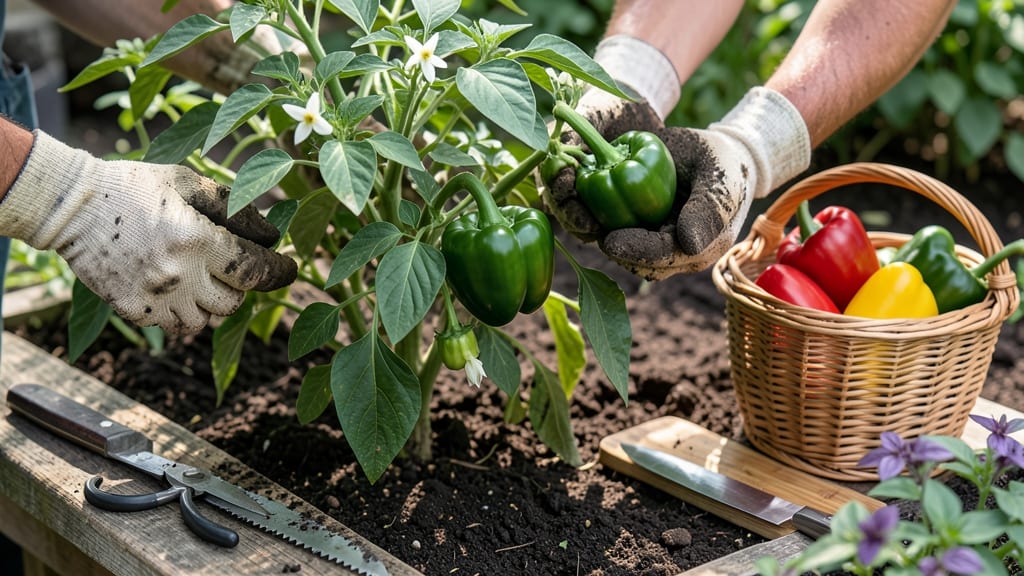
What to do with peppers from garden includes creative uses beyond salads: roast whole for smoky flavor, ferment into spicy pickles, blend into homemade hot sauce, or dehydrate for powdered seasoning to preserve freshness year-round. Freezing works too for quick cooking later.
Garden peppers are incredibly versatile—far more than just salad toppings. 🌶️ Roasting whole peppers intensifies their natural sweetness while adding a smoky depth perfect for dips or pasta sauces. Fermenting creates probiotic-rich pickles, while dehydrating transforms them into flavorful powders for soups or marinades.
Freezing preserves their freshness for stir-fries or stuffed dishes later in the season. The key is experimenting with different heat levels and varieties to discover which methods work best for your harvest.
For example, bell peppers shine in roasted dishes, while jalapeños or serranos excel in fermented or powdered forms. Start with small batches to test flavors and storage methods before committing to larger quantities. This approach minimizes waste while maximizing the flavors you've grown.
💡 In This Article
- Preserving Garden Peppers for Long-Term Use
- Easy Pepper-Based Recipes Beyond Salads
Preserving garden peppers for long-term use
Preservation transforms garden peppers from seasonal treats into year-round flavor boosters. Dehydration removes moisture through air circulation at 135-140°F for 6-12 hours, concentrating sugars and creating powders that retain 90% of their original heat.
For example, a mild poblano loses its raw bite but gains a smoky sweetness perfect for soups. The key is slicing peppers ¼-inch thick and arranging them cut-side up on dehydrator trays for even drying.
Fermentation preserves peppers while enhancing their probiotic benefits. The natural lactic acid bacteria convert sugars into acids, creating a 3.5-4.0 pH environment that inhibits spoilage. Jalapeños fermented for 3-4 weeks develop a tangy, slightly sweet profile—ideal for pickling.
Use 2-3% brine solution (20g salt per liter of water) and submerge peppers completely to prevent mold. The texture becomes crisp yet tender, unlike vinegar pickles which stay firm.
Freezing locks in freshness for 8-12 months with minimal texture loss. Blanching peppers in boiling water for 2 minutes then ice bath halts enzyme activity that causes discoloration. For whole peppers, remove seeds and slice before freezing in airtight containers with ¼-inch headspace to prevent freezer burn.
The frozen peppers work best in cooked dishes like stir-fries where texture changes are less noticeable.
Storage conditions vary dramatically by method. Dehydrated peppers last 12-18 months in airtight containers with silica gel packets to absorb moisture, while fermented peppers thrive in 50-55°F environments with 60-70% humidity.
Freezing requires -18°C (0°F) or colder—fluctuations above -15°C (5°F) risk ice crystal formation that ruins texture. Humidity control is critical: too much causes mold, too little makes peppers brittle.
Here's how each method compares for heat retention:
- Dehydration: Best for mild to medium peppers (bell, banana)—heat decreases by 20-30% but flavor concentrates
- Fermentation: Preserves capsaicin perfectly—spicy peppers (jalapeño, serrano) maintain 95% of original heat
- Freezing: Minimal heat loss (5-10%) but texture softens—ideal for cooked applications
The science behind these methods reveals why some work better for certain peppers. Capsaicin (the compound that makes peppers hot) is fat-soluble, so dehydration evaporates water but leaves capsaicin intact in the powder.
Fermentation's acidic environment actually stabilizes capsaicin molecules, preventing degradation. Meanwhile, freezing's low temperatures pause enzymatic activity that would otherwise break down capsaicin over time. 💫