
Tools
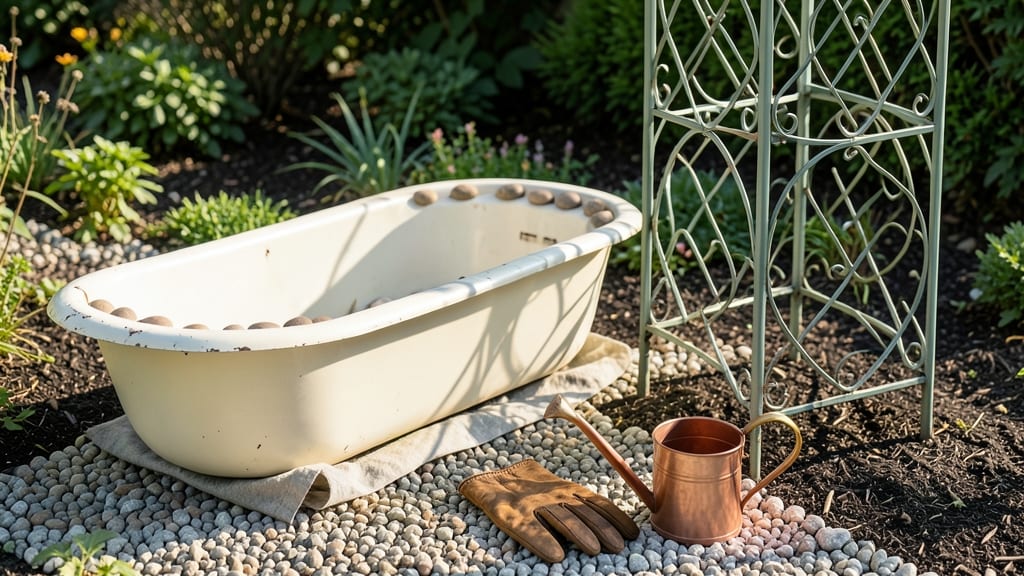
A garden bathtub is a stylish outdoor container designed to mimic a traditional bathtub, serving as both a decorative statement and a functional planter for herbs, flowers, or succulents. These versatile features can be crafted from repurposed vintage tubs or built custom for patios and container gardens.
A garden bathtub transforms ordinary outdoor spaces into charming focal points while serving a practical purpose. 🌿 Unlike standard planters, these tubs create a whimsical, vintage-inspired look that pairs beautifully with patio furniture or garden pathways.
They're especially popular for growing moisture-loving plants like mint, ferns, or trailing ivy, as the tub's depth helps retain water while preventing soil erosion.
Whether you source a secondhand clawfoot tub or build one from wood, the key is ensuring proper drainage—most designs include overflow holes or a false bottom to keep roots healthy.
What sets them apart is their dual functionality: they double as a conversation starter and a self-contained ecosystem. For example, a repurposed cast-iron tub can last decades with minimal maintenance, while a lightweight fiberglass version offers portability for renters.
Many gardeners also use them to grow culinary herbs within arm's reach of their kitchen, blending aesthetics with convenience. The possibilities are endless—from a single statement piece to a series of nested tubs creating a tiered garden display.
💡 In This Article
- How Garden Bathtubs Enhance Outdoor Spaces
- DIY Garden Bathtub Ideas for Herbs, Flowers, and More
How garden bathtubs enhance outdoor spaces
Garden bathtubs create micro-ecosystems that combine visual charm with functional benefits. The deep, rounded shape naturally retains moisture, which is ideal for plants that thrive in consistently damp conditions like mint, lemon balm, or ferns.
This water retention also discourages mosquitoes by eliminating stagnant water breeding grounds—unlike shallow planters where water pools at the bottom. The tub's design mimics natural depressions found in forests, where moisture-loving plants flourish without requiring constant watering.
Material selection dramatically impacts both aesthetics and durability. Vintage cast-iron tubs (like clawfoot models) offer unmatched rustic charm and can last 50+ years with proper sealing, though they weigh 200-300 pounds when full.
Fiberglass versions provide lightweight portability (30-50 pounds) and won't crack in freeze-thaw cycles, making them ideal for colder climates. Wooden bathtubs (cedar or redwood) add organic texture but require annual sealing to prevent rot—especially important in humid regions where moisture accelerates decay.
The choice often comes down to whether you prioritize weight, maintenance, or vintage appeal.
Beyond practicality, these tubs serve as artistic centerpieces that elevate outdoor decor. Their curved forms create visual interest in rectangular spaces, while the glossy enamel finishes of vintage tubs reflect sunlight like polished stone.
Placing one near a seating area transforms it into a conversation piece—imagine guests reaching over to snip fresh basil for cocktails. The depth also allows for dramatic plant pairings: tall grasses spilling over the sides alongside trailing ivy creates a lush, cascading effect that softens hard landscaping edges.
For pest control, the tub's shape works against standing water issues common in flat planters. Water drains through overflow holes (typically ½-inch diameter) at the base, preventing mosquito larvae from developing while maintaining soil moisture.
This passive system requires no pumps or electricity—just proper placement on a slight incline to ensure gravity-assisted drainage. The tub's elevated rim also keeps curious pets from digging in the soil, protecting your plants while adding a playful safety barrier.
Consider this comparison: A standard 12-inch-deep planter may dry out herbs in 2-3 days during summer heat, while a garden bathtub's 18-inch depth maintains moisture for 5-7 days. The extra volume also supports larger root systems, allowing plants to establish stronger foundations.
For example, a rosemary bush planted in a bathtub will produce 30-50% more sprigs annually compared to the same plant in a shallow container.
Pro tip: Position your bathtub where it receives 4-6 hours of morning sun—this prevents algae growth while giving sun-loving herbs like thyme and oregano the light they need.
The tub's reflective surfaces can even amplify warmth, creating a microclimate that extends your growing season by 2-4 weeks in cooler zones. 🌿