
Tools
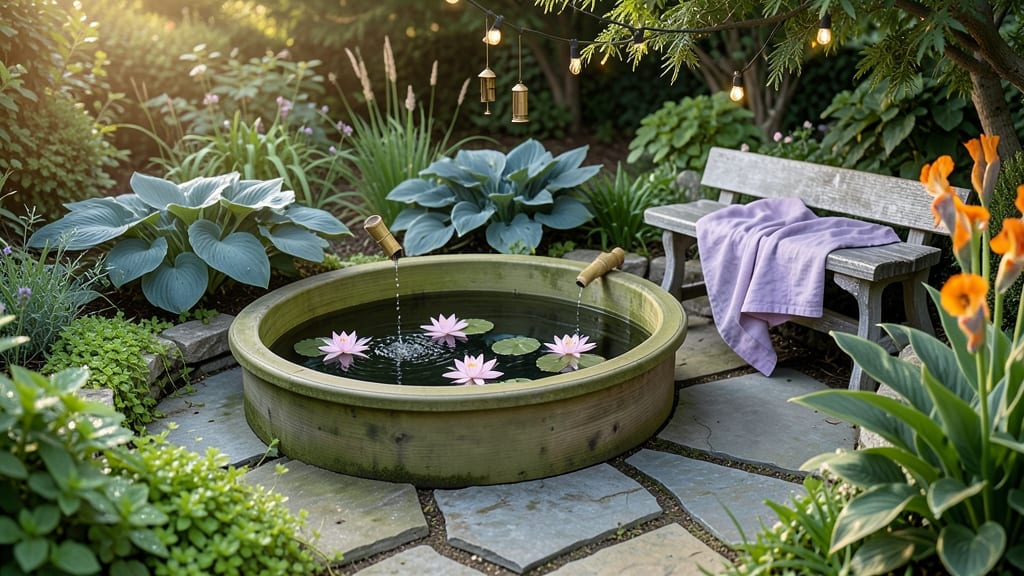
A garden bath is a standalone outdoor soaking tub that creates a serene retreat within your landscape, using natural materials like stone or wood to harmonize with surrounding plants and water features. Unlike traditional hot tubs, these freestanding pools focus on organic design and peaceful immersion rather than high-tech jets or heated water.
A garden bath transforms your outdoor space into a tranquil sanctuary by blending seamlessly with nature. 🌿 Unlike conventional hot tubs, these installations emphasize natural materials—think smooth river stones, weathered wood, or textured concrete—to create a cohesive look with your garden's existing elements.
The result is a spa-like experience that feels like an extension of your landscape rather than an afterthought. Many designs incorporate built-in seating, cascading water features, or even integrated planters to enhance the connection with the outdoors.
What sets them apart is their customizable nature—you can choose from freestanding tubs that nestle into a hillside or built-in designs that flow with your garden's contours. These features not only elevate the aesthetic but also create a more immersive, meditative experience.
Whether you're looking to unwind after a long day or host a peaceful gathering, a garden bath offers a unique way to bring the calming effects of nature indoors—or rather, outdoors.
💡 In This Article
- Design Elements That Define a Garden Bath
- Creating a Functional Outdoor Spa Space
Design elements that define a garden bath
A garden bath's defining feature is its seamless integration with natural surroundings, starting with material selection. Natural stone like slate or travertine creates an organic, earthy aesthetic that blends effortlessly with garden landscapes, while resin or fiberglass offers lighter, more customizable options.
Stone baths typically weigh 1,500-3,000+ pounds and require professional installation, whereas resin models (weighing 500-1,200 pounds) can be installed with fewer structural modifications. The choice impacts both visual harmony and installation complexity.
Size considerations go beyond just dimensions—depth and shape influence the soaking experience. Most garden baths range from 4-8 feet long and 2-4 feet wide, with depths between 24-36 inches to support full-body immersion.
Unlike rectangular hot tubs, garden baths often feature organic curves or asymmetrical designs that mimic natural water features. The seating arrangement is another key distinction: many incorporate built-in benches or ledges that double as planters, creating a multi-functional space that enhances the garden's beauty while serving as a soaking tub.
Water features play a crucial role in transforming a garden bath into a sensory experience. Integrated cascading waterfalls or bubbling streams not only mask mechanical sounds but also create a soothing white noise effect that enhances relaxation.
Some advanced designs include built-in LED lighting that changes color with the water flow, adding a magical ambiance during evening use. The water temperature typically stays between 80-90°F—warmer than plunge pools but cooler than hot tubs—to maintain a refreshing yet comfortable soaking experience.
Landscaping integration takes this concept further by treating the garden bath as a focal point rather than an afterthought. Strategic plant placement around the tub creates privacy while maintaining an open, airy feel.
Drought-resistant ground covers like creeping thyme or ornamental grasses work well in these moisture-rich environments, while climbing plants on nearby trellises add vertical interest. The positioning often follows natural contours, with the tub nestled into a gentle slope to create a sense of being cradled by the landscape.
What truly differentiates garden baths from hot tubs or plunge pools is their emphasis on passive relaxation over active features. While hot tubs rely on powerful jets and heated water, garden baths prioritize stillness and connection with nature.
The absence of mechanical noise allows you to hear birdsong or distant water features more clearly. This design philosophy creates a space that feels more like a natural hot spring than a manufactured luxury item—where the focus shifts from entertainment to contemplation and sensory immersion.
Consider this example: A 6-foot oval stone bath with a built-in waterfall integrated into the garden's natural drainage system creates a self-sustaining ecosystem. The cascading water not only enhances the soaking experience but also helps maintain the surrounding plants by creating a microclimate with higher humidity.
This dual functionality demonstrates how garden baths can serve both practical and aesthetic purposes in landscape design.