
Companion Plants
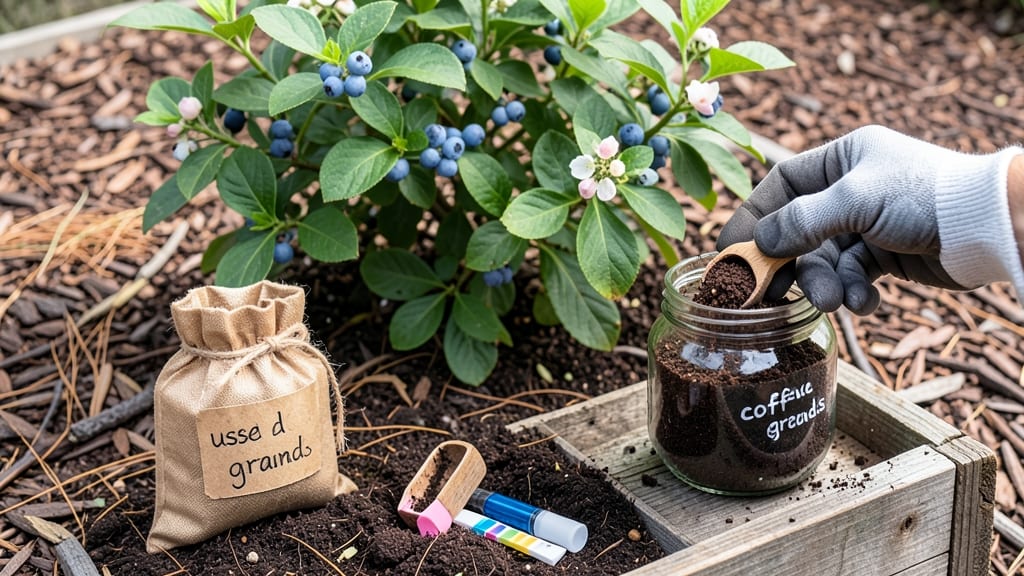
Garden plants like azaleas, blueberries, hydrangeas, and rhododendrons benefit from coffee grounds because they thrive in acidic soil enriched with nitrogen and organic matter. Use them sparingly to avoid over-acidifying the soil.
Coffee grounds act as a natural soil amendment that lowers pH levels, creating the perfect environment for acid-loving plants.
The nitrogen content promotes healthy foliage growth, while the organic matter improves soil structure and moisture retention. 🌱 I've seen azaleas and blueberries flourish after adding used grounds to their beds—just be mindful of the quantity, as too much can make the soil too acidic for delicate roots.
For best results, mix them into compost or spread them lightly around plants that prefer slightly acidic conditions.
This method works particularly well for evergreen shrubs and flowering plants that struggle in alkaline soils. The caffeine in coffee grounds also acts as a natural pest deterrent, keeping slugs and some insects away from your garden.
Always let grounds decompose for a few weeks before using them directly in planting beds to prevent mold growth.
💡 In This Article
- Why Coffee Grounds Enhance Acid-Loving Plant Growth
- Best Practices for Using Coffee Grounds in Gardens
Why coffee grounds enhance acid-loving plant growth
Coffee grounds work their magic primarily through their chemical composition. Fresh grounds contain about 2% nitrogen by weight, which acts as a slow-release fertilizer that promotes leafy growth.
The organic acids in coffee—like chlorogenic acid and caffeic acid—lower soil pH gradually, creating the ideal acidic environment (pH 4.5-6.0) for plants like azaleas and blueberries. This acidification happens because these compounds break down into hydrogen ions, which react with soil minerals and reduce alkalinity over time. 🌿
The microbial activity triggered by coffee grounds is another key factor. As grounds decompose, they feed beneficial soil bacteria and fungi that help break down organic matter into plant-accessible nutrients. Studies show that coffee-amended soil can increase microbial populations by up to 30% within 4-6 weeks, improving nutrient cycling.
This process also enhances soil structure by increasing water retention—similar to how compost improves soil aeration—while preventing compaction. The porous texture of decomposed grounds creates tiny air pockets that roots can penetrate more easily.
For plants like camellias and gardenias, coffee grounds provide a double benefit: they supply nitrogen while maintaining the acidic conditions these species need to thrive. Camellias, for example, prefer soil pH levels between 5.0-6.0, and coffee grounds can help maintain this range without the need for chemical amendments.
The slow-release nature of nitrogen means you won't get the rapid, often-burning effects of synthetic fertilizers, making it safer for delicate root systems. 🌸 What's fascinating is how the caffeine content (about 1-2% by weight) acts as a natural fungicide, suppressing harmful pathogens like Pythium that can rot roots.
However, the benefits depend on proper decomposition. Fresh coffee grounds can become moldy or create anaerobic conditions if buried too deeply, which might harm roots. The ideal approach is to compost them first for 2-4 weeks until they turn dark brown and crumbly.
This pre-processing reduces the risk of over-acidification while preserving the nitrogen content. Think of it like brewing a nutrient-rich tea for your soil—just without the caffeine kick that could harm plants if applied directly in large quantities.
One common misconception is that all plants benefit equally from coffee grounds. In reality, plants like tomatoes and potatoes—which prefer slightly acidic to neutral soil (pH 6.0-7.0)—can suffer if overloaded with coffee.
The key is balance: use grounds as a supplement rather than a primary amendment, especially for plants that aren't acid-lovers. For instance, adding ½ cup of used grounds per square yard to blueberry bushes every 3-4 months can boost growth without risking soil toxicity.
The visual transformation in your garden can be dramatic.
I've seen hydrangeas shift from pale pink blooms to deep blue within a season after regular coffee ground applications, thanks to the lowered pH. The leaves of acid-loving plants become richer in color, and flowering increases as the plants receive both the nitrogen they crave and the perfect soil chemistry.
It's like giving your garden a slow-release vitamin boost tailored to its specific needs. 💫