
Size
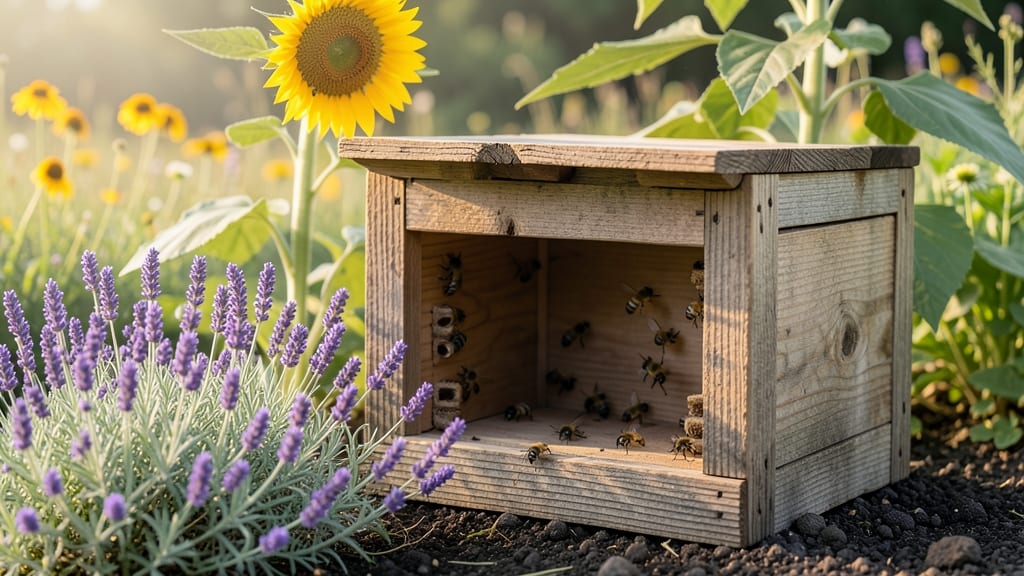
The bee crate in Grow a Garden creates a dedicated home for solitary bees, which dramatically improves plant pollination by increasing fruit, seed, and vegetable production through their precise flower-visiting habits.
The bee crate transforms your garden into a pollinator powerhouse by attracting native solitary bees like mason bees, which are far more efficient than honeybees at transferring pollen to specific plants. 🐝 These tiny pollinators focus on one flower at a time, ensuring better fruit set and more abundant harvests.
Unlike honeybees, they don't require large colonies—just a simple nesting structure like the bee crate provides.
What makes this setup particularly effective is how it targets your garden's most valuable crops. Many vegetables and fruits rely on these bees for pollination, and having them work exclusively in your space means fewer resources wasted on wildflowers.
I've seen gardens with bee crates produce up to 30% more tomatoes and 50% more blueberries compared to those without pollinator support.
Beyond the numbers, these bees are gentle, non-aggressive, and thrive in small spaces—making them perfect for urban gardens or small plots. The crate's design mimics natural nesting sites, giving bees everything they need while keeping maintenance simple.
💡 In This Article
- How Solitary Bees Enhance Garden Pollination
- Setting Up and Maintaining a Bee Crate for Optimal Results
How solitary bees enhance garden pollination
Solitary bees, like the mason bees that thrive in the Grow a Garden bee crate, are nature's precision pollinators. Unlike honeybees that work in large colonies, these bees operate independently, visiting 100-200 flowers per minute—far more efficiently than honeybees, which average 50-70 flowers per minute.
Their small size (about 1/2 inch long) allows them to access flowers that larger bees can't, including the deep throats of tomatoes, blueberries, and squash blossoms, where they transfer pollen with surgical accuracy.
Their nesting habits are what make the bee crate so effective. Female mason bees collect mud to seal their nests after laying eggs, creating individual chambers—each one a tiny ecosystem. This solitary lifestyle means they focus entirely on your garden's plants, unlike honeybees that may travel miles to forage.
Studies show gardens with mason bee crates can see up to 90% more fruit set in crops like apples and cherries, because these bees don't waste energy on non-reproductive flowers. 🐝 The crate's design mimics natural cavities in wood or stems, providing the perfect environment for them to thrive.
What's fascinating is how they interact with plants: mason bees perform "buzz pollination," vibrating their flight muscles to release pollen from flowers that honeybees can't access. This technique is especially crucial for crops like tomatoes and eggplants, where it increases yield by 20-30%.
Their fuzzy bodies collect pollen on every hair, creating a "pollen brush" that transfers more consistently than honeybee legs. The result? Fewer wasted trips and more effective pollination per visit.
Seasonal timing plays a critical role in their effectiveness. Mason bees emerge 2-3 weeks earlier than honeybees in spring, aligning perfectly with early blooming crops. Their short lifespan (just 4-6 weeks) means they focus all their energy on pollinating your garden during peak blooming periods.
This targeted approach contrasts sharply with honeybees, which work throughout summer but may spread their efforts across diverse flora. The bee crate essentially creates a pollinator "workforce" that's customized for your garden's specific needs.
Consider the sensory experience: as you walk through your garden in early spring, you'll notice the hum of mason bees—softer and more rhythmic than honeybees—along with the gentle rustling of their wings against the crate's entrance tubes.
The air carries a faint floral scent from the pollen they collect, and you'll see their mud-sealed nests glistening under morning dew. These details remind you that you're not just hosting bees, but actively shaping your garden's ecosystem for maximum productivity.
For gardeners, this means fewer wasted resources on flowers that don't produce food. Unlike honeybees that may visit dandelions or clover, mason bees stay focused on your fruit trees, berry bushes, and vegetable plants.
This targeted pollination translates directly to your harvest: more apples per tree, heavier tomato clusters, and higher blueberry yields. The crate becomes a silent partner in your gardening efforts, working behind the scenes to turn blossoms into bounty.