
Plants
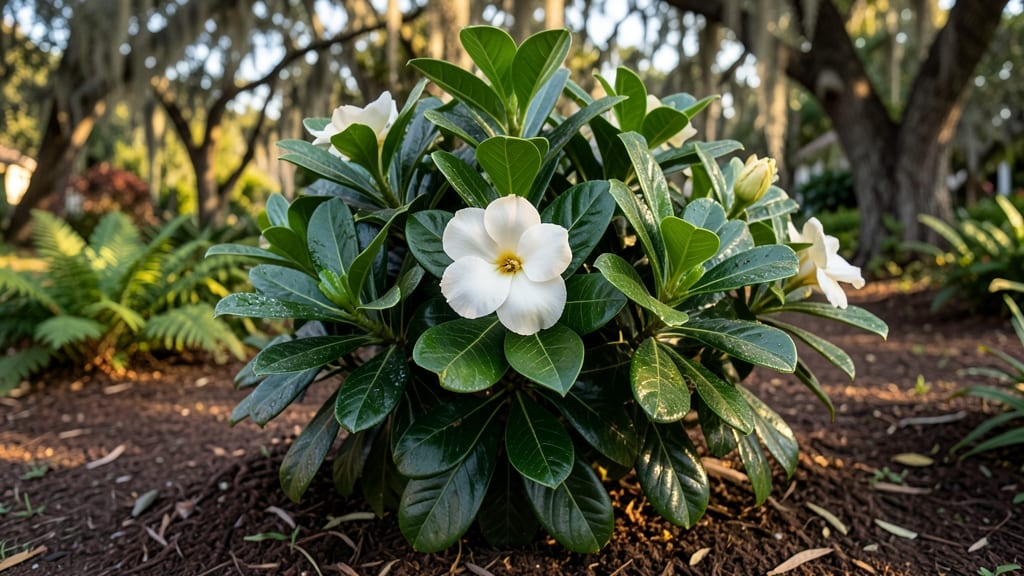
Gardenia flowers smell like a velvety blend of warm vanilla, creamy coconut, and honeyed citrus, creating a lush, sweet floral aroma that’s far richer than jasmine or rose. This intoxicating fragrance peaks in evening humidity and clings to petals long after they’ve dried.
This signature scent comes from gardenia’s high concentration of linalool and jasmone, which create that creamy sweetness, while benzyl acetate adds the citrusy depth. 🌸 Unlike jasmine’s powdery freshness or rose’s berry-like tartness, gardenia’s aroma feels almost edible—like a dessert made of flowers.
The best time to experience it is at dusk when warmth intensifies the oils in the petals, making the fragrance linger for days even after harvest.
What makes gardenia’s scent so special is how it evolves. Fresh blooms smell subtly citrusy, but as they mature, that warmth transforms into a vanilla-coconut richness that’s impossible to ignore. This is why dried gardenia petals are prized in potpourri—they hold their fragrance for months, while other flowers fade quickly.
For maximum impact, harvest petals when fully open but still slightly crisp, then dry them in a dark, airy space. Pairing gardenia with citrus peels or lavender can enhance its sweetness, while storing them in a sealed jar preserves that signature creamy aroma for years.
💡 In This Article
- Gardenia’s Unique Fragrance Chemistry Explained
- Best Ways to Preserve and Enhance Gardenia Scent
Gardenia’s unique fragrance chemistry explained
Gardenia’s signature scent comes from a rare combination of three key chemical compounds: linalool (30-40% of its volatile oils), jasmone (15-25%), and benzyl acetate (10-15%). Linalool creates that creamy, sweet base we associate with gardenia, while jasmone adds a warm, almost honeyed depth.
Benzyl acetate contributes the citrusy brightness that prevents the aroma from feeling overly heavy—like a floral version of a well-balanced dessert 🌸.
These compounds work together to create a scent profile that’s 3x richer than jasmine (which relies heavily on benzyl acetate alone) and 2x heavier than rose (which has more geraniol for its tartness).
The magic happens in the petals’ waxy coating, which traps these volatile oils and releases them slowly over time. This is why gardenia’s fragrance deepens as the day progresses—heat and humidity at 70-80°F cause the petals to exhale more oils, creating that signature "evening glow" effect.
Scientifically, this is called "thermotaxis," where floral scents intensify in warmer conditions. Compare this to jasmine, which peaks at 60-70°F and fades quickly, or rose, which has a more immediate but short-lived burst of aroma.
What makes gardenia’s scent feel almost edible is its high concentration of monoterpenes (like limonene from citrus) and sesquiterpenes (like farnesene).
These compounds create a "sweetness threshold" that our brains interpret as dessert-like—think vanilla bean meets coconut cream. 💫 This is why gardenia is often used in perfumes to create "gourmand" floral notes that feel luxurious.
The contrast with jasmine’s powdery indole notes or rose’s geraniol sharpness explains why gardenia smells so uniquely "heavy"—it’s not just floral, it’s a full sensory experience.
Harvest timing affects scent potency. Petals picked at 8-10 AM (when dew has evaporated but before midday heat) contain the highest concentration of these oils. The scent profile shifts dramatically: morning petals smell more citrus-forward, while evening ones develop that rich vanilla-coconut depth.
This is why dried gardenia petals from afternoon harvests make the most fragrant potpourri—they’ve already undergone that natural chemical transformation.
For the curious, you can test this yourself: Rub a fresh gardenia petal between your fingers—you’ll notice the immediate release of that creamy linalool, followed by a gradual warmth from the jasmone.
This two-phase aroma is what makes gardenia smell so "alive" compared to other flowers that release scent all at once. 🌿 The secret lies in how these compounds are stored in separate glandular cells within the petal, releasing sequentially for that layered effect.
Fun fact: Gardenia’s scent is so potent that just 0.5 grams of dried petals can perfume an entire room for 3-5 days. This is why ancient Chinese and Japanese cultures used gardenia in incense and tea—its fragrance lingers without overpowering, unlike stronger florals that require careful dilution.