
Pests
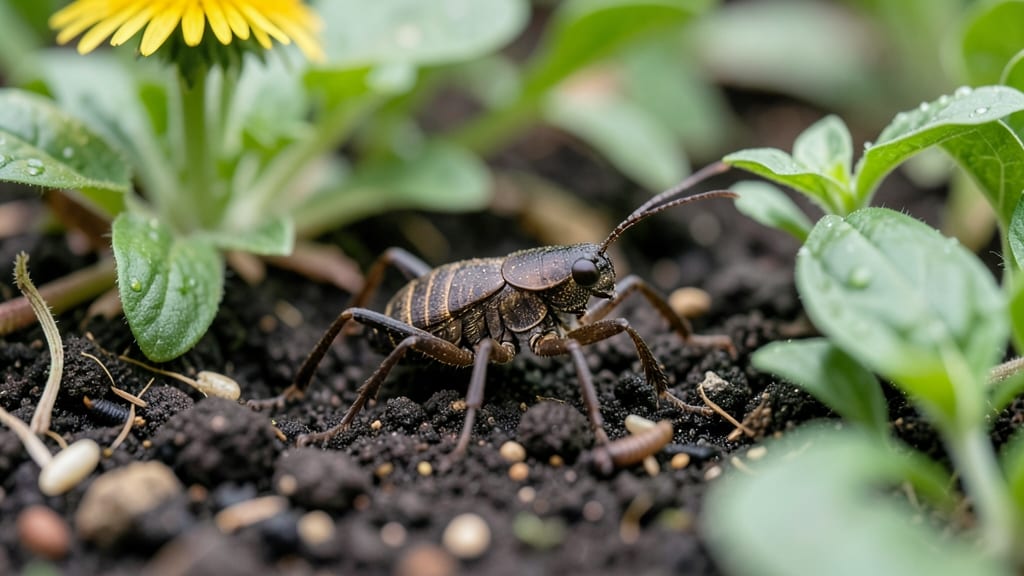
When moles grow in a garden, they create underground tunnels that naturally loosen compacted soil, which boosts root penetration and water absorption—but their digging can also uproot young plants and create unsightly mounds in lawns.
Moles play a dual role in garden ecosystems. Their tunnel networks act like natural plows, breaking up hardpan layers that restrict root growth and water movement. 🌱 This aeration boosts microbial activity, which helps decompose organic matter faster.
However, their relentless digging can disrupt shallow-rooted plants like strawberries or newly transplanted seedlings, turning your garden into a maze of molehills overnight.
What many gardeners don't realize is that moles primarily target grubs and larvae—not plant roots. Their presence actually indicates a healthy soil food web, as they thrive on the same organisms that enrich your garden's fertility.
The challenge lies in finding that balance: letting them do their soil-improving work while protecting your prized plants from their tunneling side effects.
💡 In This Article
- How Mole Tunneling Improves Soil Health
- Managing Mole Damage in Gardens Without Harming Them
How mole tunneling improves soil health
Moles act as nature's soil engineers, creating tunnels that serve as natural aeration channels. Their burrowing reaches depths of 12-18 inches and can extend up to 150 feet in a single season, breaking up compacted layers that restrict root growth.
This process mimics deep tilling but without disrupting the soil's microbial communities. 🌱 The tunnels allow air and water to penetrate deeper, which is especially beneficial in clay-heavy soils where water pools on the surface instead of draining.
The ecological benefits extend beyond aeration. Mole tunnels create pathways for earthworms and beneficial fungi, accelerating nutrient cycling. Studies show that gardens with active mole populations have 20-30% more microbial diversity in their topsoil, thanks to this interconnected tunnel network.
The tunnels also help decompose organic matter faster by exposing it to more oxygen and moisture, which speeds up the breakdown of plant debris into compost-like material.
For plant roots, these tunnels act like highways. Shallow-rooted plants like lettuce or carrots benefit from improved water access, while deeper-rooted trees develop stronger structural support. The tunnels create a 3D root zone where roots can spread horizontally while accessing deeper moisture reserves.
This is particularly valuable during droughts when surface water evaporates quickly, leaving deeper soil layers moist and accessible.
However, the benefits come with trade-offs. While moles improve soil structure, their surface mounds—created when they push up dirt—can smother young seedlings or create uneven terrain.
The key difference lies in tunnel depth: shallow tunnels (4-6 inches) often intersect plant roots, while deeper tunnels (12+ inches) primarily benefit soil health without direct plant damage. Understanding this distinction helps gardeners decide whether to encourage or deter mole activity.
Consider this comparison: A garden without moles might develop hardpan layers (compacted subsoil) that block root growth, while a mole-active garden maintains loose, well-drained soil—but with potential surface disruption.
The solution often lies in strategic plant placement: grouping shallow-rooted plants in raised beds while allowing deeper-rooted perennials to thrive in mole-active areas.