
Flowers
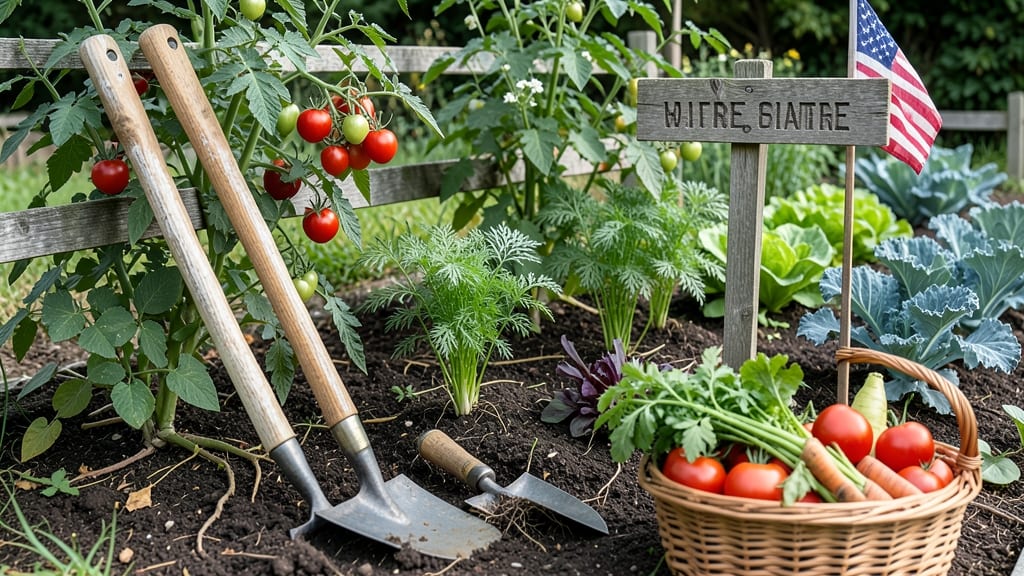
Understanding victory gardens meaning reveals their core purpose: wartime food production through collective gardening to alleviate shortages and strengthen national morale. These gardens became symbols of civic duty, sustainability, and self-reliance during crises.
Victory gardens first took root during World War I and II when governments encouraged citizens to grow their own food to free up commercial supplies for troops. 🌱 The movement proved so effective that it produced nearly 40% of the nation's fresh vegetables during WWII.
Today, modern victory gardens have evolved into community-driven projects that focus on sustainability, urban farming, and food justice—keeping the original spirit alive while addressing contemporary challenges like climate change and food deserts.
What makes these gardens particularly powerful is their dual role: they address practical needs while fostering community connections. Many modern initiatives partner with local schools or food banks, turning gardening into an educational tool about nutrition and environmental stewardship.
The concept has even expanded to include vertical gardens in urban areas, proving that victory gardens can adapt to any space or need.
💡 In This Article
- Origins of Victory Gardens in World Wars
- Modern Victory Gardens: Revival and Contemporary Uses
Origins of victory gardens in world wars
Victory gardens emerged as a direct response to food rationing during World War I, when the U.S. government launched the "Food Will Win the War" campaign in 1917. The goal was simple: reduce pressure on commercial food supplies by encouraging families to grow their own vegetables.
By 1918, over 5 million gardens were producing 1 billion pounds of food annually—about 40% of the nation's fresh produce during WWII. These gardens weren't just practical; they became patriotic symbols, with children's posters declaring "Dig for Victory" alongside images of soldiers.
The movement gained even more momentum during WWII, when the Office of War Information distributed free seeds and gardening guides. 18 million families participated, cultivating everything from potatoes to tomatoes in backyards, rooftops, and even vacant lots.
The impact was staggering: victory gardens produced 8 million tons of food—equivalent to 40% of all fresh vegetables consumed in the U.S. That's like feeding 10 million people daily for an entire year. The psychological boost was equally significant, as families found purpose and unity in their shared effort.
What made these gardens so effective was their adaptability. Urban families grew compact crops like radishes (30 days to harvest) and lettuce, while rural areas planted corn and beans.
The U.S. Department of Agriculture even published 12 million pamphlets with planting charts and soil tips. 🌱 This wasn't just about food—it was about reclaiming agency during uncertain times. The gardens proved that ordinary citizens could make extraordinary contributions to national security, a lesson that still resonates today.
Government propaganda played a crucial role in sustaining enthusiasm. Radio broadcasts featured gardening tips from celebrities like Bette Davis, while posters showed soldiers saluting gardeners. Even Hollywood got involved—films like 1943's "The Garden of Allah" subtly reinforced the message.
The movement's success lay in its simplicity: no fancy equipment needed, just soil, seeds, and determination. This grassroots approach turned gardening into an act of patriotism, making victory gardens one of history's most effective civilian mobilization efforts.
The legacy of these gardens extends beyond wartime. Their core principles—self-sufficiency, community collaboration, and resourcefulness—became foundational for modern sustainability movements. What began as a wartime necessity evolved into a cultural phenomenon that continues to inspire food security initiatives worldwide.
Today, we see echoes of this history in everything from community gardens to urban farming co-ops.
One fascinating detail is how victory gardens reflected the era's social norms. Women, who often managed household food supplies, became leaders in these efforts. The movement even had its own Victory Garden Council, which organized competitions for the best gardens.
These competitions weren't just about aesthetics—they were about demonstrating what could be achieved with limited resources. The spirit of competition and camaraderie helped maintain morale during challenging times.