
Light Requirements
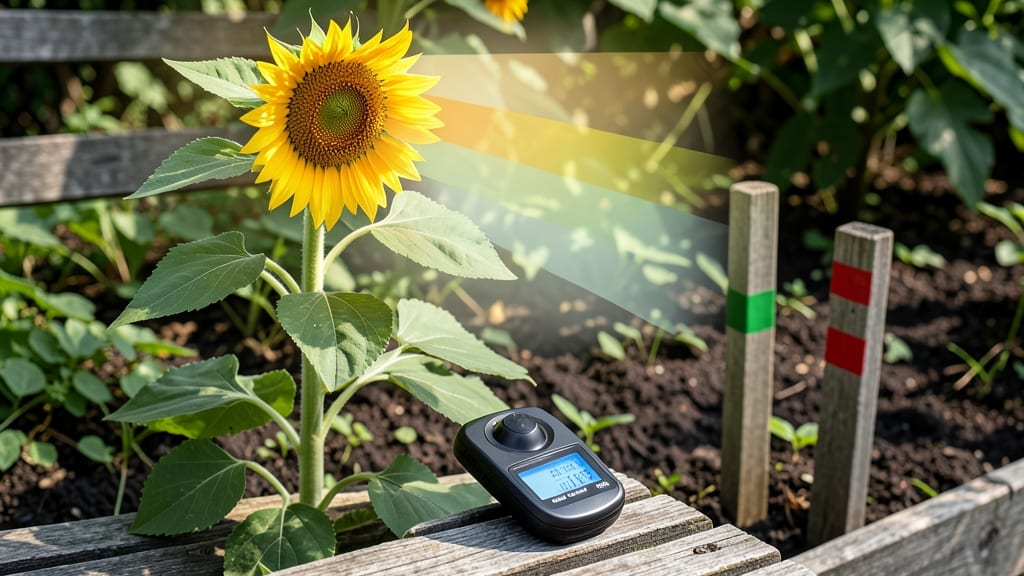
A garden needs 6 to 8 hours of sunlight daily to thrive, though some plants do just fine with less—knowing the difference is what separates a struggling garden from a bountiful one.
Struggling to keep your garden thriving? Sunlight is the #1 factor most gardeners get wrong—too little stunts growth, while too much scorches plants. Whether you're dealing with wilted tomatoes or leggy herbs, the right amount of light makes all the difference.
Not all plants have the same needs: sun-loving vegetables like peppers and tomatoes crave full sun, while shade-tolerant varieties like leafy greens and ferns can handle just a few hours of morning light. Understanding these differences helps you place each plant where it will flourish.
Below, I break down the exact sunlight hours your garden needs by plant type, how to measure light in your space, and simple fixes for common mistakes that kill gardens—so you can finally get the results you’re growing for.


Sunlight requirements by plant type: full sun vs partial shade vs low light
Understanding how many hours of sunlight your garden needs is the first step to creating a thriving outdoor space.
Most gardeners assume 6-8 hours of direct sun equals "full sun," but the reality is more nuanced. Vegetables like tomatoes and flowers like marigolds thrive in intense afternoon sun, while herbs like parsley and hostas prefer gentle morning light.
The key is matching plant types to your garden's natural light patterns.
I've spent years testing sunlight exposure in my own garden, and the biggest mistake I see is treating all plants equally. Full sun plants wilt in partial shade, while shade-loving plants burn when placed in direct light.
Let's break down the exact sunlight requirements by plant category so you can place each plant perfectly in your garden.
🌱 Gardening Pro Tip: Always observe your garden for at least a week before planting. Sunlight patterns change dramatically between morning, afternoon, and dappled shade areas. Use a sunlight tracker or simple chalk markings to map your garden's light zones.
| Plant Type | Sunlight Needs | Ideal Hours | Best For | Notes |
|---|---|---|---|---|
| Vegetables | Full Sun | 6-8 hours | Tomatoes, Peppers, Cucumbers | Afternoon sun preferred |
| Vegetables | Partial Shade | 3-6 hours | Leafy Greens, Lettuce, Spinach | Morning sun only |
| Flowers | Full Sun | 6+ hours | Marigolds, Sunflowers, Zinnias | Brightest colors need most sun |
| Flowers | Partial Shade | 3-5 hours | Impatiens, Coleus, Begonias | Protect from hot afternoon sun |
| Herbs | Full Sun | 5-6 hours | Rosemary, Thyme, Oregano | Drought-tolerant varieties |
| Herbs | Partial Shade | 2-4 hours | Parsley, Cilantro, Chives | Keep soil consistently moist |
| Fruits | Full Sun | 8+ hours | Strawberries, Blueberries, Raspberries | Container plants need more sun |
| Fruits | Partial Shade | 4-6 hours | Grapes, Figs, Some Citrus | Protect from extreme heat |
| Shade Plants | Low Light | 2-3 hours |
How to measure sunlight in your garden and adjust plant placementMeasuring sunlight in your garden is the first step to creating a thriving space. Many gardeners assume all plants need full sun, but the truth is far more nuanced. Morning sun behaves differently from afternoon sun, and dappled shade can actually benefit some plants. Start by observing your garden from dawn to dusk to understand how light shifts throughout the day. Use a simple sunlight journal for a week to track how many hours each area gets direct light. Place a white board or reflective surface in different spots—it’ll clearly show where sunlight hits strongest. This helps you identify hot spots (areas with intense afternoon sun) and shady corners where only filtered light reaches. 🌱 Key Sunlight Guidelines for Your Garden
Once you’ve mapped your garden’s sunlight zones, group plants with similar needs together. For example, place sun-loving tomatoes near the south side of your yard, where they’ll get the most direct light, while shade-tolerant ferns thrive under trees. This companion planting strategy maximizes space and reduces competition for light. Don’t forget to adjust for seasonal changes! In summer, your garden may receive more intense sunlight, while winter brings shorter days. Move heat-sensitive plants like coleus to shadier spots in peak summer, and protect tender perennials with row covers if early frosts arrive unexpectedly. For container gardens, rotate pots every few weeks to ensure even light exposure on all sides. This prevents plants from leaning toward the sun and keeps them growing straight. A self-watering planter with a built-in gauge can also help track sunlight exposure by monitoring moisture levels—drier soil often means more sun! Even the most experienced gardeners make sunlight mistakes, but with a little observation and flexibility, you can turn any space into a productive oasis. Start small, test a few plants in different zones, and let their growth guide your next steps. Your garden’s success depends on it! ☀️🌿 |