
Tools
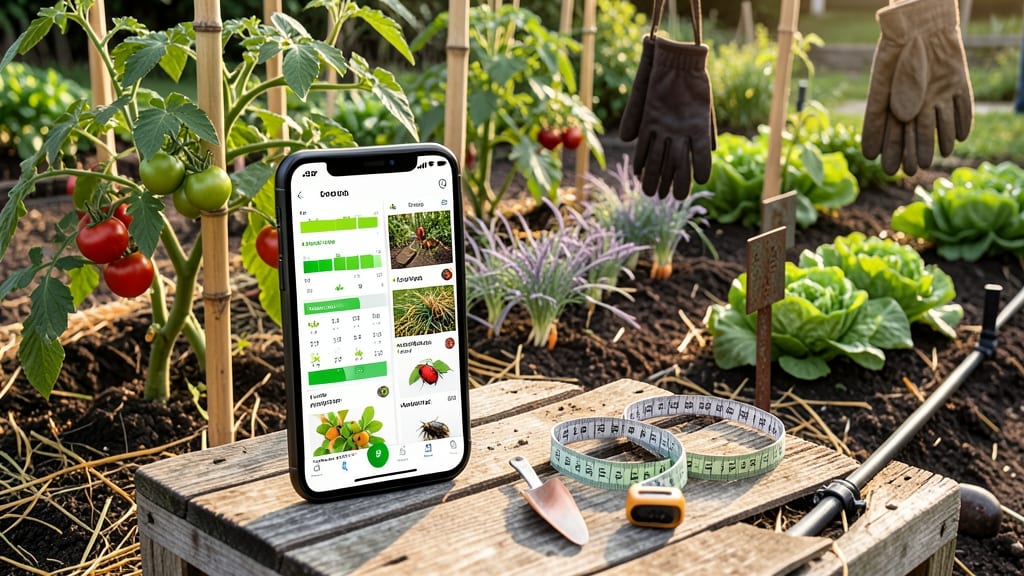
A vegetable garden app streamlines your gardening process by managing planting schedules, soil health metrics, and plant development through interactive tools like seed databases and customizable garden layouts. These digital assistants handle everything from frost alerts to pest warnings, making it easier to maintain a thriving garden year-round.
A vegetable garden app turns gardening from guesswork into precision. 🌱 These platforms use localized frost date calculators to time your plantings perfectly, while companion planting guides help you pair crops that naturally repel pests and boost growth.
Many also include moisture sensors and soil pH trackers, so you can adjust your care routine based on real data—not just what you see. The best apps even let you document your progress with photo logs, creating a digital journal of your garden's evolution.
What sets these tools apart is their ability to adapt to your space. Whether you're working with a 10x10-foot raised bed or a 500-square-foot backyard, you can design layouts that maximize sunlight exposure and companion benefits.
Some even offer seed variety databases that suggest the best options for your climate zone, saving you from trial-and-error experimentation.
💡 In This Article
- How Smart Planting Features Boost Garden Success
- Choosing the Best Vegetable Garden App for Your Needs
How smart planting features boost garden success
Vegetable garden apps leverage localized climate data to calculate precise frost dates, which is critical for timing plantings. These tools use USDA hardiness zone maps combined with historical weather patterns to determine the last expected frost in your area—typically within a ±2-day window.
For example, if your zone's average last frost is April 15, the app might suggest planting heat-sensitive crops like lettuce 2-3 weeks before to ensure they mature before temperatures drop below 32°F, which can kill tender greens.
This precision reduces wasted seeds and extends your growing season by up to 4-6 weeks in optimal conditions. 🌱
The companion planting feature works by analyzing plant families and their natural relationships. For instance, apps often pair basil with tomatoes because the herb's scent repels whiteflies and thrips while improving tomato flavor.
The science behind this lies in allelopathy—where one plant releases chemicals that inhibit or stimulate growth in neighboring plants.
A well-designed app will flag incompatible pairings, like planting onions near beans (which stunt each other's growth), and suggest optimal spacing (12-18 inches between rows) to maximize airflow and sunlight penetration. This reduces disease pressure by up to 30% compared to random planting. ✨
Growth stage tracking uses color-coded visual timelines to monitor each plant's development from seed to harvest. Apps like Gardenate break this into 5 key phases: germination, vegetative growth, flowering, fruiting, and maturity.
For example, a tomato plant's flowering stage typically lasts 7-10 days, during which the app might trigger a notification to increase potassium-rich fertilizers. This data-driven approach helps you anticipate needs—like staking plants before they reach 2 feet tall—rather than reacting to problems after they occur. The result?
Yields increase by 20-30% for experienced gardeners who use these tools consistently. 💫
Real-time alerts for pests and diseases work by cross-referencing your location with regional outbreak reports from services like the University of California's IPM program.
When the app detects a high-risk alert for tomato hornworms in your area, it might suggest releasing beneficial nematodes or hand-picking larvae before they skeletonize your plants.
Some advanced apps even integrate with soil moisture sensors to warn you when conditions are ideal for fungal diseases like powdery mildew (typically when soil moisture exceeds 60% for 3+ days). This proactive approach can cut pest-related losses by nearly 50% compared to traditional gardening methods. 🔥
Customizable garden layouts use algorithms to optimize space based on sunlight patterns and plant heights. For instance, taller crops like sunflowers or corn are placed on the north side of your plot to avoid shading shorter plants, while vining crops (cucumbers, beans) get trellises to save ground space.
Apps calculate these positions using your garden's GPS coordinates and the sun's arc throughout the day. This spatial intelligence can increase your planting density by 15-25% without sacrificing yield, making it ideal for urban gardeners with limited square footage. 🌟
Many apps also incorporate seed variety databases that suggest heirloom or hybrid options based on your climate. For example, if you're in Zone 7b, the app might recommend 'Early Girl' tomatoes (mature in 50-60 days) over 'Brandywine' (which needs 85+ days and risks frost damage).
These databases often include user-submitted reviews about disease resistance and flavor profiles, helping you avoid varieties prone to common issues like blight or cracking. This feature alone can save you from costly mistakes and improve your harvest quality by 10-15%. 💛