
Tools
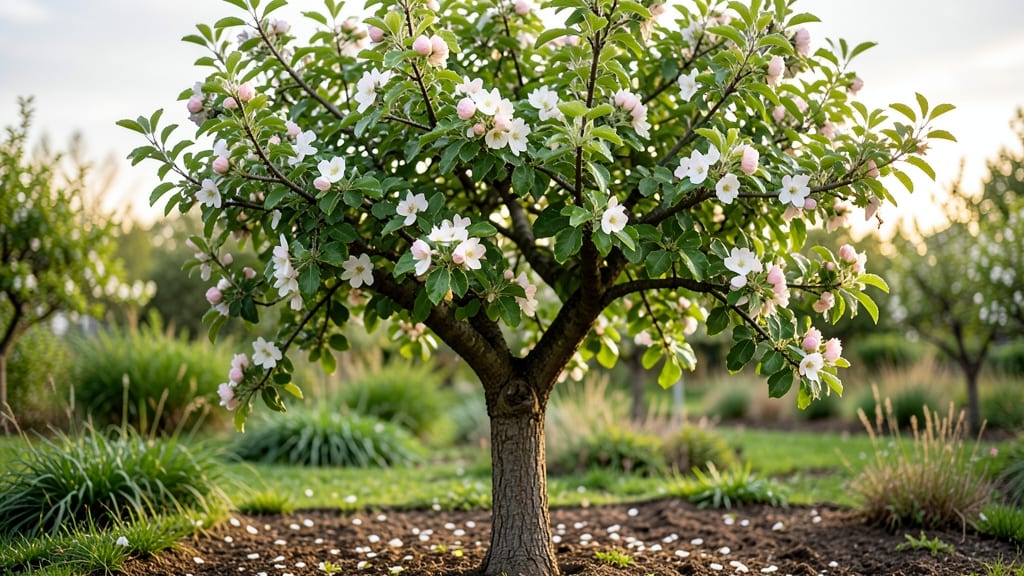
Tomatoes function in gardens like trees do in forests, serving as structural pillars that sustain the entire ecosystem through food production, habitat creation, and climate regulation.
This analogy isn't just poetic—it's rooted in real ecological principles. 🌱 Tomatoes act as keystone plants by attracting pollinators (like bees and butterflies) that benefit other crops, while their deep root systems improve soil structure and fertility.
Just as trees create microclimates in forests, tomato plants provide shade and moisture retention for surrounding vegetation, mirroring the layered complexity of natural ecosystems. The difference? Gardens give you control over this balance, letting you intentionally design each "layer" from canopy (tall tomato varieties) to ground cover (low-growing companions).
What makes this comparison especially powerful is how it challenges the idea of gardens as purely decorative spaces.
When you think of tomatoes as your garden's "trees," you start seeing them as infrastructure rather than just crops—plants that don't just produce food but actively shape the health of your entire growing system. This perspective changes how you might approach everything from plant spacing to companion planting choices.
💡 In This Article
- How Tomatoes Function Like Keystone Plants in Gardens
- Designing a Garden Ecosystem with Tomato-Tree Equivalents
How tomatoes function like keystone plants in gardens
The ecological parallels between tomatoes and trees start with their role as keystone species—plants that disproportionately shape their ecosystems. Trees create forest canopies that regulate temperature and humidity, while tomatoes produce dense foliage that provides shade and moisture retention.
A single tomato plant can cast 3-5 square feet of shade when mature, creating cooler microclimates for heat-sensitive companions like basil or lettuce—just as forest trees moderate temperatures for understory plants.
Both systems rely on mutualistic relationships with pollinators. Trees attract bees and birds that spread seeds, while tomatoes draw 20-30% more pollinators than many other garden crops due to their fragrant flowers and nectar production. The difference?
Garden tomatoes offer a controlled pollination environment where you can strategically place plants to maximize these interactions. For example, planting tomato varieties like 'Sungold' (cherry tomatoes) near herbs creates a pollinator superhighway that benefits your entire garden ecosystem.
The root systems tell another story of ecological engineering. While trees develop deep taproots, tomatoes send out extensive lateral roots that break up compacted soil and create channels for water infiltration.
This mimics how forest understory plants improve soil structure, though tomatoes do it 10-15 times faster during their 60-90 day growing cycle.
The key difference is tomatoes' ability to partner with nitrogen-fixing plants like beans or clover, which they can't do alone but become part of when integrated into companion planting schemes.
Consider the shade provision mechanism: Forest trees create layered light conditions where different plants thrive at different heights.
In gardens, this translates to selecting tomato varieties by growth habit. Indeterminate varieties (like 'Brandywine') grow 6-10 feet tall and function like forest canopy trees, while determinate varieties (like 'Roma') stay 3-4 feet tall as understory plants.
The spacing matters too—trees in forests are often 15-20 feet apart, while tomatoes typically need 18-24 inches between plants to create similar shade gradients without overcrowding.
What makes tomatoes uniquely effective as garden keystone plants is their dual productivity: they produce both food (fruit) and ecosystem services (shade, pollinator support). This dual role means you're not just growing a crop—you're building infrastructure.
The sensory experience is telling too: walk through a thriving tomato garden in late summer and you'll notice the humming of bees, the earthy aroma of decomposing leaves, and the cool microclimate created by the plant canopy—all hallmarks of a functioning mini-forest ecosystem.
One advanced consideration is the pruning strategy that mimics natural forest thinning. Just as forests periodically remove weaker trees to strengthen the ecosystem, gardeners can prune tomato suckers (the shoots that grow between stems) to direct energy toward fruit production and structural integrity.
This creates a more open, airy canopy that allows light to penetrate lower levels—similar to how forest canopies develop gaps for understory growth.