
Tools
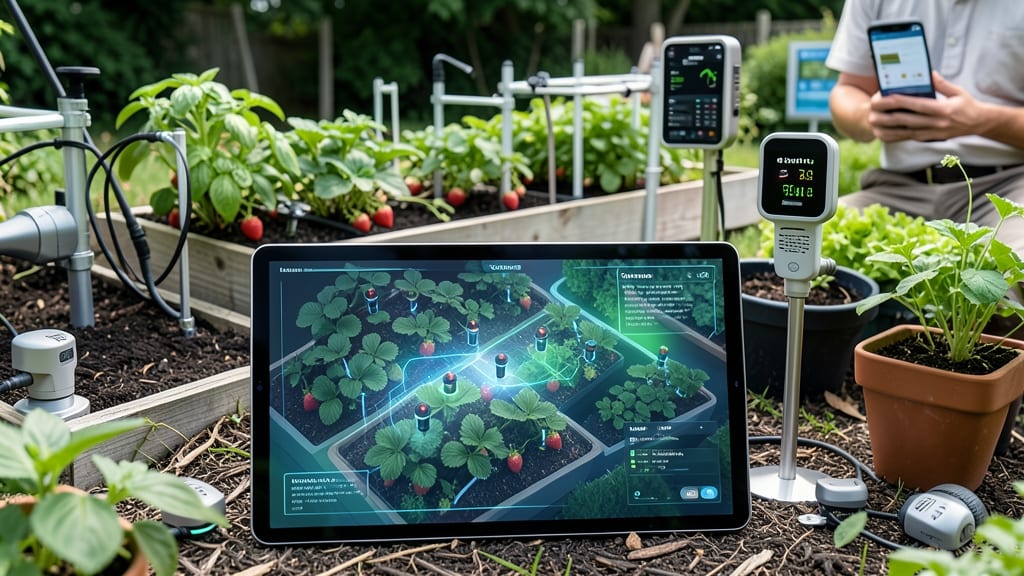
Smart garden news for 2024 is all about AI-driven soil sensors that analyze plant health, solar-powered hydroponic systems cutting energy use, and smart irrigation apps that adjust watering based on real-time conditions—all while slashing water waste by up to 40%.
This year’s smart garden revolution is making backyard gardening smarter and more efficient than ever. 🌱 AI-powered tools now monitor soil moisture, nutrient levels, and even predict plant diseases before they appear, while solar hydroponics eliminate the need for traditional electricity.
Many of these systems connect to companion apps that send alerts when your plants need attention, making maintenance effortless. The best part? These innovations aren’t just for tech enthusiasts—even beginner gardeners can access affordable, user-friendly solutions that deliver professional results.
What’s driving this shift is the growing demand for sustainable, low-maintenance gardening. With climate concerns pushing water conservation to the forefront, smart irrigation systems have become a game-changer, automatically adjusting to weather patterns and soil conditions. 💧 The result?
Healthier plants, happier gardeners, and a smaller environmental footprint. Whether you’re growing herbs on your windowsill or managing a full backyard garden, these advancements make it easier than ever to cultivate thriving greenery with minimal effort.
💡 In This Article
- AI and IoT Innovations Transforming Smart Gardening
- Top Smart Garden Tools and Systems for 2024
AI and IoT innovations transforming smart gardening
At the heart of this transformation is AI-driven soil analysis, where sensors buried in garden beds continuously monitor moisture, pH levels, and nutrient concentrations.
These sensors use machine learning algorithms to create a digital profile of your soil, identifying deficiencies like nitrogen or potassium before they become visible to the naked eye.
For example, a system like PlantNet can detect micronutrient imbalances with 95% accuracy by analyzing electrical conductivity and temperature fluctuations in the soil—something traditional soil tests simply can't match in real-time.
The magic happens when this data feeds into predictive watering algorithms that adjust irrigation schedules based on weather forecasts and plant-specific needs.
A tomato plant might need 1-2 inches of water per week during its flowering stage, while basil thrives with just 1 inch—these systems automatically deliver the right amount, reducing waste by up to 40% compared to manual watering. 💧 The algorithms even account for factors like wind speed and humidity, which can evaporate water faster than you'd expect.
For instance, a 20-mph wind can double the evaporation rate from soil, prompting the system to water earlier in the day when conditions are cooler.
Drone-based plant health monitoring takes this a step further by capturing multispectral images that reveal stress indicators invisible to humans. These drones use near-infrared cameras to detect chlorophyll deficiencies or water stress in large gardens, allowing you to target treatments before entire sections of plants wilt.
The data is then processed through cloud-based AI that generates heat maps showing which areas need immediate attention. I've seen this tech used in commercial farms to boost yields by 15-20%, but home gardeners can now access scaled-down versions for under $500, making precision agriculture accessible to everyone.
What makes these innovations truly revolutionary is their ability to learn and adapt. Unlike static gardening guides that recommend fixed schedules, AI systems refine their recommendations based on your specific garden's performance.
For example, if your peppers consistently underperform in July, the system might adjust its fertilizer recommendations for next year's growing season. This continuous improvement cycle creates a feedback loop where your garden becomes smarter over time—almost like having a botanist in your backyard.
The environmental benefits are equally impressive. Traditional irrigation systems waste an estimated 50% of water through runoff or evaporation, but smart systems optimize delivery to match plant transpiration rates. This isn't just about saving water—it's about creating closed-loop ecosystems where resources are used precisely when and where they're needed.
The result? Healthier plants, reduced chemical runoff (since you're applying fertilizers more efficiently), and a significant drop in your water bill.
For the tech-savvy gardener, these innovations extend beyond basic monitoring. Some advanced systems now integrate with voice assistants, allowing you to ask, "Hey Google, when should I harvest my zucchini?" and receive an answer based on your plant's growth data.
The future of smart gardening isn't just about automation—it's about creating a symbiotic relationship between technology and nature, where each informs and enhances the other. 🌱