
Tools
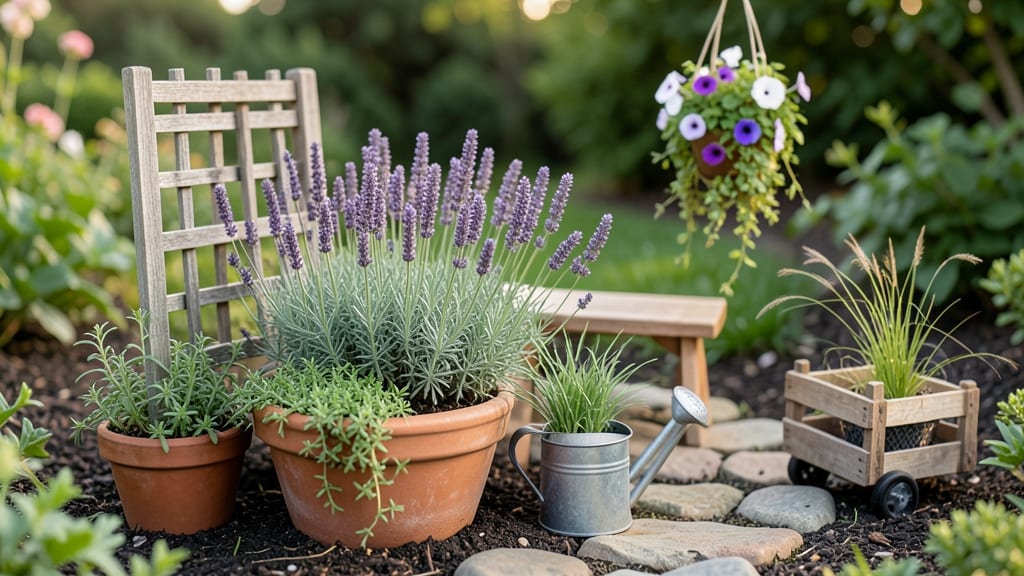
Small garden layout ideas maximize vertical space and use multi-functional zones to create lush, productive areas in tight spaces, like raised beds for herbs, tiered planters for flowers, and narrow pathways for easy access. Focus on vertical gardening, mirror designs, and modular layouts to optimize every square foot.
When space is limited, smart garden layouts turn constraints into creative opportunities. 🌿 Vertical gardening isn't just about saving space—it also improves air circulation and sunlight exposure for plants. For instance, trellises for climbing veggies or wall-mounted planters for herbs can double your growing area without expanding your footprint.
I've seen mirrored designs work wonders in small backyards, creating the illusion of more room while maintaining symmetry and visual balance.
Modular setups let you rearrange sections as your needs change, making them perfect for urban balconies or tiny yards. Think of it like a puzzle where each piece serves a purpose—whether it's a foldable bench doubling as storage or corner pockets for delicate flowers.
The key is combining form and function, so every inch contributes to both beauty and productivity.
💡 In This Article
- Vertical and Tiered Planting Strategies for Compact Gardens
- Modular and Mirrored Garden Designs for Tiny Spaces
Vertical and tiered planting strategies for compact gardens
Vertical gardening transforms walls and fences into productive growing surfaces, effectively multiplying your planting area. Studies show that vertical setups can increase usable space by 30-50% compared to ground-level planting.
Trellises for vining plants like cucumbers or beans create a 3D growing environment where plants climb upward rather than sprawling outward. The science behind this involves root aeration—elevated planters improve drainage and oxygen flow to roots, which is especially beneficial for plants like strawberries that prefer well-drained conditions.
Wall-mounted planters are ideal for herbs and shallow-rooted vegetables like lettuce or radishes. These systems often use fabric pockets or modular tiles that attach to walls, allowing you to customize layouts based on sunlight exposure.
For example, a south-facing wall receives 6-8 hours of direct sunlight daily, perfect for sun-loving herbs like basil or oregano, while north-facing areas suit shade-tolerant plants like parsley or chives. 🌱 The tiered approach also creates microclimates—higher levels may experience 5-10°F warmer temperatures than ground level, extending growing seasons for heat-sensitive plants.
Designing multi-level layouts requires strategic planning. Start with the tallest elements (like tomato cages) at the back, followed by mid-height plants (such as peppers), and ground covers (like thyme) at the front. This creates a natural visual gradient while maximizing sunlight penetration.
For instance, a 6-foot trellis can support 12-15 feet of vine growth, turning a small corner into a productive vertical garden. The key is balancing plant heights and weights—lighter annuals on upper tiers prevent structural strain on lower supports.
Root growth in confined spaces follows specific patterns. Shallow-rooted plants like carrots or beets thrive in 6-8 inch deep containers, while deeper-rooted varieties (such as potatoes) need 12+ inches of soil depth.
Vertical planters must incorporate expanded drainage holes to prevent root rot, as confined spaces accelerate moisture buildup. The science of root pruning comes into play here—when roots encounter container edges, they grow denser and more fibrous, which can actually improve nutrient absorption for some plants.
Consider these plant pairings for tiered setups:
- Top tier: Lightweight climbers (cucumbers, beans) with 3-5 foot trellises
- Middle tier: Bushy herbs (basil, thyme) in hanging baskets or wall pockets
- Bottom tier: Ground covers (strawberries, lettuce) in shallow trays
For urban balconies, consider foldable vertical planters—these can be stored against walls when not in use, freeing up space during winter months. The modular nature of these systems means you can rotate plants seasonally, always keeping your vertical garden productive.
What most people don't realize is how wind patterns affect vertical gardens—upper tiers often experience 20-30% more wind exposure, which can dry soil faster. 💫 Adjust watering schedules accordingly by monitoring moisture levels at different heights.