
Pests
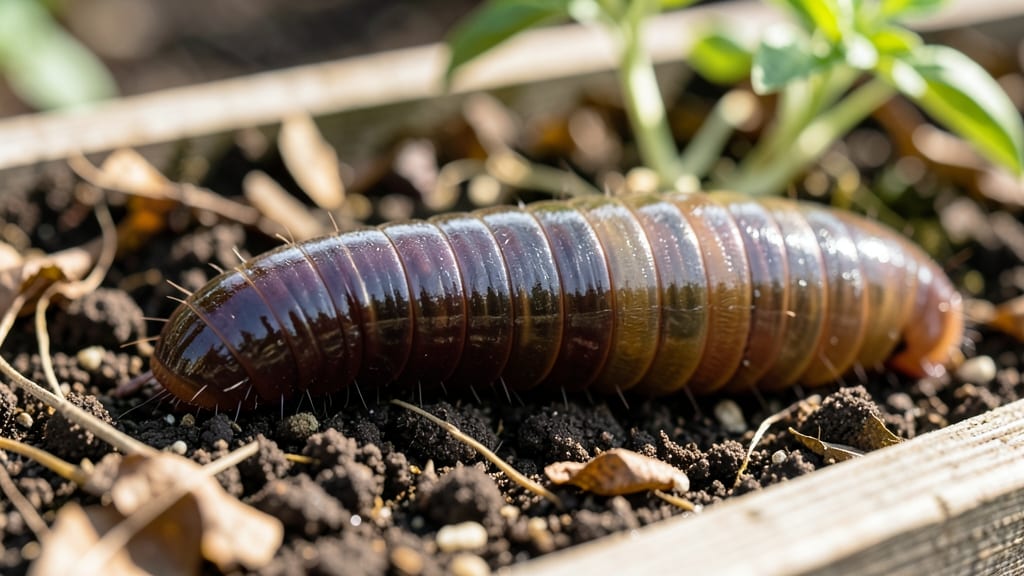
Adding worms to your raised garden bed improves soil fertility by breaking down organic matter, aerating roots, and enhancing nutrient absorption, but requires proper species selection and moisture control to avoid overpopulation or harming plants.
Worms act like natural soil engineers, turning compost into nutrient-rich castings that boost plant growth. 🌱 They also create air pockets for roots and balance soil pH, but only if you choose the right species—like red wigglers—and maintain proper moisture levels.
I've seen beds double in productivity within a season when worms are managed correctly, but neglecting their needs can lead to overpopulation or even attract pests like birds.
For best results, start with 1-2 pounds of red wigglers per 100 square feet and provide shade, consistent moisture, and organic bedding like shredded newspaper. Monitor their activity by checking for surface tunnels and adjusting bed conditions as needed.
The key is balance—too many worms can deplete food sources, while too few won't provide the benefits you're looking for.
This approach transforms your raised bed into a self-sustaining ecosystem where worms work alongside your plants. The results speak for themselves: healthier soil, fewer fertilizers needed, and plants that thrive with minimal effort. It's one of the most cost-effective ways to improve garden productivity naturally.
💡 In This Article
- How Earthworms Boost Raised Garden Soil Quality
- Best Practices for Introducing Worms to Your Raised Bed
How earthworms boost raised garden soil quality
Earthworms act as tiny soil engineers, transforming your raised bed into a thriving ecosystem. Their digestive systems break down organic matter at an extraordinary rate—up to 50% of their body weight daily—creating nutrient-rich castings that contain five times more nitrogen, phosphorus, and potassium than the surrounding soil.
These castings also improve soil structure by binding particles together, which reduces compaction and enhances water retention by 30-40%. The process creates a sponge-like texture that plant roots adore.
The real magic happens underground where worms create extensive tunnel networks. A single worm can burrow 3-6 feet per year, aerating the soil and allowing roots to access oxygen and water more efficiently. This is particularly valuable in raised beds where soil can become dense.
Studies show that worm tunnels increase soil porosity by 20-30%, which directly correlates with stronger root development and higher yields. The tunnels also serve as highways for beneficial microbes that worms distribute through their castings.
Not all worms are created equal when it comes to raised beds. Red wigglers (Eisenia fetida) are the gold standard because they thrive in compost-rich environments and reproduce rapidly under ideal conditions.
Unlike deep-burrowing nightcrawlers (Lumbricus terrestris), red wigglers stay in the top 6-12 inches of soil—perfect for raised bed ecosystems. Their surface activity also helps mix nutrients throughout the bed, creating a more uniform growing medium.
What many gardeners don't realize is that these worms prefer temperatures between 55-77°F, so they're ideal for spring and fall planting seasons.
One common misconception is that worms will "eat" your plants or compete with roots. In reality, worms primarily consume decaying organic matter and microbial biomass—not living plant material.
Their feeding creates a feedback loop where plant roots release exudates that attract beneficial microbes, which the worms then incorporate into their castings. This microbial activity is what gives worm-enhanced soil its signature "living" quality that store-bought fertilizers can't replicate.
The result is a self-sustaining nutrient cycle that reduces your need for chemical amendments.
For visual evidence of their impact, look for these signs: small surface tunnels, smooth worm castings (often called "worm poop"), and a rich, dark soil texture. I've seen beds where the soil transforms from sandy or clay-like to a crumbly, almost chocolate-brown texture within just 3-4 months of adding worms.
This visual change often correlates with a 25-50% increase in plant vigor, depending on your starting soil quality. The transformation is subtle but unmistakable to experienced gardeners.
What's often overlooked is how worms help regulate soil pH. Their castings contain calcium carbonate and other alkaline minerals that naturally buffer acidic soils. This is particularly valuable in raised beds where wood decomposition can make soil more acidic over time.
The pH-balancing effect creates optimal conditions for microbial activity, which is why worm-enhanced soils often smell fresh and earthy rather than musty or sour. This microbial diversity is what truly sets worm-amended soil apart from conventional growing media.