
Tools
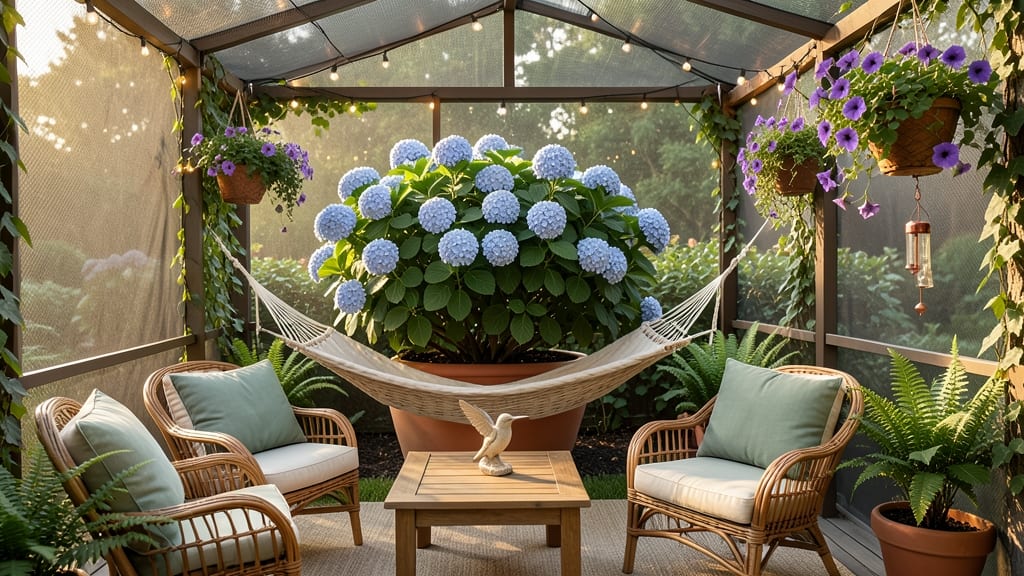
A screened-in garden transforms your backyard into a private oasis where nature thrives without the bugs or wind 🌿 — and the best part? You get to design it exactly how you want.
Picture this: nosy neighbors can’t peek in, summer breezes stay outside, and your plants grow lush and happy. But here’s the catch—choosing the right plants and layout makes all the difference. Too much shade? Your greens will languish. Too little privacy? You’ll feel like you’re on display.
That’s why I’ve tested 10 plant pairings that block views, filter light just right, and keep your space feeling fresh. From fast-climbing vines to fragrant shrubs, these combos work in Zone 6 and beyond—no guesswork, just beauty.
Ready to design a space that’s functional, lush, and totally yours? Here’s how to pick the perfect plants, arrange them for privacy, and keep them thriving all season long.
How to design a screened-in garden for maximum privacy and plant health
A screened-in garden transforms your outdoor space into a private oasis while protecting your plants from pests, wind, and harsh weather. The key lies in balancing privacy with plant health—choosing the right materials, layout, and airflow.
Start by selecting a location that receives 4-6 hours of sunlight daily, as most plants need this for optimal growth. Evenings can be cooler and more humid, so plan for proper ventilation to prevent fungal issues.
When designing your space, consider the height and density of your screening. A 6-foot lattice or bamboo trellis creates a natural barrier while allowing light to filter through. For faster privacy, opt for polyester mesh screens or woven bamboo panels, which block visibility while still permitting airflow.
Avoid solid walls, as they can trap heat and limit airflow, creating an unhealthy microclimate for your plants.
Now, let's compare the best screening materials for your screened-in garden to help you decide which suits your needs:
| Material | Privacy Level | Airflow | Durability | Cost |
|---|---|---|---|---|
| Bamboo Trellis | Medium (60%) | High | Moderate (needs maintenance) | $$ |
| Polyester Mesh | High (80-90%) | Very High | High (UV-resistant) | $$$ |
| Woven Vinyl | Very High (95%) | Moderate | Very High (weatherproof) | $$$$ |
| Lattice Panels | Low-Medium (40-60%) | Very High | High (rust-resistant) | $$ |
| Living Wall (Plants) | Very High (100%) | High (depends on plant) | Moderate (requires care) | $$$$ |
For sun exposure, position taller plants like sunflowers or tall bamboo on the north side of your garden to avoid shading shorter plants. Place light-loving plants like lavender or rosemary near the south or west sides, where they’ll receive the most sunlight.
If your space gets intense afternoon sun, add sheer fabric screens to filter light while maintaining privacy.
Airflow is critical—poor circulation can lead to mold or pest infestations. Install adjustable vents or louvered panels at the top of your screens to allow hot air to escape. Place a small fan near the entrance to encourage airflow without disturbing delicate plants.
If you’re using climbing plants like jasmine or wisteria, train them to grow away from the center to prevent overcrowding.
Layout matters just as much as materials. Create zones for different plant types: place herbs and vegetables near the entrance for easy access, while ornamental plants or shrubs can line the back for privacy. Add a raised bed or container garden along the walls to maximize space without sacrificing airflow.
If your garden is long and narrow, use vertical planters to draw the eye upward and create a sense of depth.
Don’t forget to incorporate humidity control—enclosed spaces can become overly humid, especially in summer. Use a dehumidifier or place a bowl of salt near vents to absorb excess moisture. For extra privacy, layer plants with varying heights and textures, like pairing tall grasses with low-growing ferns.
This not only enhances aesthetics but also improves airflow at different levels.
Finally, add functional elements like built-in benches or trellises that double as seating. This keeps your space practical while blending seamlessly with your garden design.
With the right balance of screening materials, sunlight, and airflow, your screened-in garden will thrive as both a private retreat and a lush, healthy plant sanctuary.
10 Best privacy-saving plant combinations for screened gardens
A screened-in garden transforms your outdoor space into a lush, private retreat—but the right plant combinations make all the difference. Fast-growing vines, fragrant shrubs, and textured ground covers work together to create a living privacy screen that’s both functional and beautiful.
The key is pairing plants with complementary growth habits, ensuring no gaps appear while maximizing airflow to prevent mold or pests.
For example, morning glories and clematis climb together in a vertical display, while sweet potato vine and ferns sprawl horizontally to cover ground space. Fragrant shrubs like lavender and rosemary add sensory appeal while keeping intruders at bay.
Let’s explore the top 10 pairings that thrive in enclosed spaces and deliver year-round privacy.
-
1. Morning Glories + Clematis
Fast climbers for vertical screens; morning glories bloom early, clematis takes over mid-season -
2. Sweet Potato Vine + Ferns
Trailing vines (golden or purple) pair with lacy ferns for soft ground coverage -
3. Lavender + Rosemary
Fragrant shrubs (3-4 ft tall) repel pests and create a sensory barrier -
4. Bamboo (Clumping) + Hostas
Tall bamboo (10-12 ft) paired with shade-loving hostas for layered privacy -
5. Honeysuckle + Jasmine
Climbing vines with intoxicating scents; ideal for trellises or arbors -
6. Boxwood + Hydrangeas
Structured shrubs (boxwood) paired with bold hydrangea blooms for year-round interest -
7. Creeping Jenny + Ivy
Low-growing ground covers for edges; creeping jenny adds golden contrast to ivy’s green -
8. Sunflower + Corn (Dwarf Varieties)
Seasonal height variation; sunflowers (6-8 ft) provide summer shade, corn fills gaps -
9. Arborvitae + Azaleas
Evergreen arborvitae (10-15 ft) with spring-blooming azaleas for four-season privacy -
10. Wisteria + Passionflower
Dramatic climbers; wisteria’s purple cascades pair with passionflower’s exotic blooms
When selecting plants, prioritize airflow compatibility—avoid pairing dense shrubs like arborvitae with slow-growing vines like ivy, as this can create stagnant pockets. Instead, mix fast growers (e.g., sweet potato vine) with medium-paced shrubs (e.g., lavender) to ensure continuous coverage.
For screened gardens in shadier spots, opt for ferns, hostas, and caladiums alongside climbers like clematis.
Pro tip: Start with container-friendly plants like rosemary or dwarf bamboo if your screened area has limited soil space. Containers also let you rotate plants seasonally—for example, swapping out sun-loving morning glories for poinsettias in winter. This flexibility keeps your privacy screen vibrant year-round while adapting to changing light conditions.
Finally, don’t overlook the textural contrast between plants. Pairing the feathery foliage of ferns with the bold leaves of sweet potato vine creates visual depth, making your screened garden feel lush and intentional.
With the right combinations, your private retreat will feel like a living work of art—not just a barrier. 🌿