
Tools
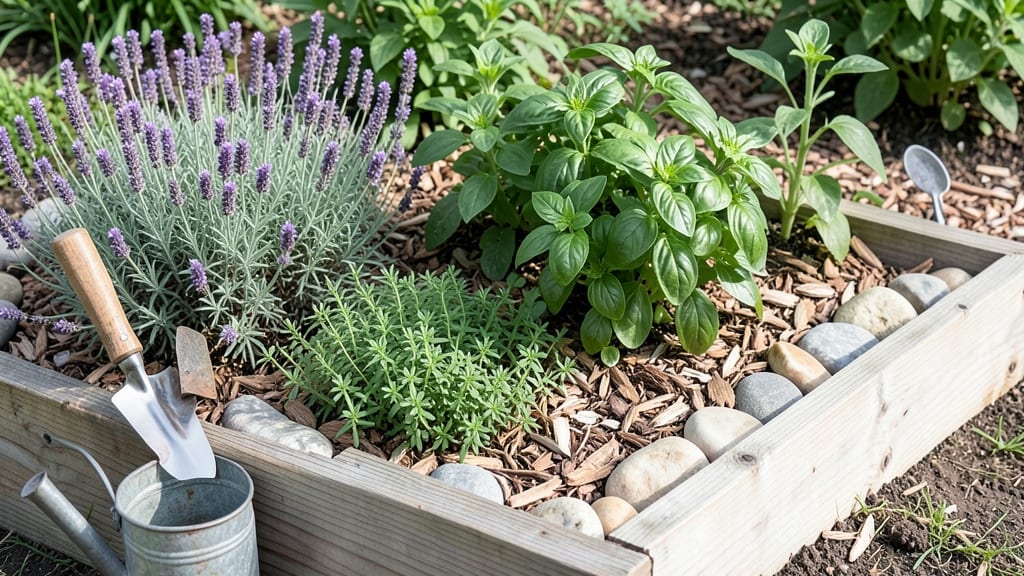
A raised patio garden bed should be 6 to 12 inches deep to support most vegetables, herbs, and shallow-rooted plants while improving drainage and soil aeration. For root vegetables like carrots or potatoes, aim for 12–18 inches of depth.
A raised patio garden bed's height directly impacts what you can grow and how well your plants thrive. 🌱 The 6–12 inch standard works perfectly for leafy greens, strawberries, and herbs, while deeper beds prevent root crops from becoming stunted.
I've found that adding gravel or landscape fabric at the bottom creates a drainage layer that's especially critical in patio setups where water pooling is a risk. The extra soil volume also helps regulate temperature swings, which is a game-changer for heat-sensitive plants during summer months.
For patio spaces, consider using lightweight materials like composite lumber or galvanized steel to keep your bed mobile and manageable. The depth you choose affects not just plant growth but also how much soil you'll need to buy—calculating cubic feet of space is key to budgeting properly.
I always recommend testing your soil's moisture retention before finalizing the design, as patio gardens often dry out faster than in-ground beds.
💡 In This Article
- Optimal Raised Bed Height for Plant Root Systems
- Building a Functional Raised Patio Garden Bed
Optimal raised bed height for plant root systems
Root systems determine your bed's minimum height—most vegetables thrive in 6–12 inches of soil because their roots rarely exceed this depth. For example, lettuce and basil develop roots only 6–12 inches deep, while tomatoes need 12–18 inches to support their sprawling root networks.
The extra depth also creates a larger soil volume that retains moisture longer, which is critical in patio gardens where wind and sun accelerate evaporation. 🌱
Here's how depth affects different plants: shallow-rooted herbs like thyme or chives grow perfectly in 6-inch beds, while medium-rooted crops such as peppers and eggplants require 10–12 inches. Root vegetables like carrots and beets demand 12–18 inches to prevent forked growth—a common problem when roots hit the bed's bottom.
The deeper soil also provides better aeration, which helps beneficial microbes break down organic matter faster.
Drainage becomes a game-changer in raised beds. Without proper depth, water pools at the bottom, suffocating roots and promoting rot. A 6-inch bed with 2 inches of gravel or landscape fabric at the base creates ideal drainage, while 12-inch beds can handle heavier watering without soggy soil.
In patio settings, this drainage layer is especially important because concrete or pavers below can trap moisture, turning your garden into a swamp.
Soil temperature also shifts with depth. Shallower beds (6 inches) heat up faster in summer, which can stress heat-sensitive plants like spinach. Deeper beds (12+ inches) maintain cooler, more stable temperatures near the roots.
I've noticed that in my own 10-inch beds, the soil stays 5–10°F cooler at the bottom compared to the surface, giving plants a better chance to thrive in hot climates.
Consider this comparison: a 6-inch bed holds about 0.5 cubic feet of soil per square foot, while a 12-inch bed holds 1 cubic foot. That extra volume means you can water less frequently and still maintain consistent moisture—a huge advantage for busy gardeners.
For patio spaces, this also translates to fewer trips to the watering can, which is a win for both convenience and plant health.
One common mistake is assuming "deeper is always better." For delicate flowers or shallow-rooted greens, 6–8 inches is plenty—they'll actually perform worse in overly deep beds where excess soil stays damp.
The key is matching your bed's height to the plants you're growing, not just defaulting to the maximum depth. 💫