
Tools
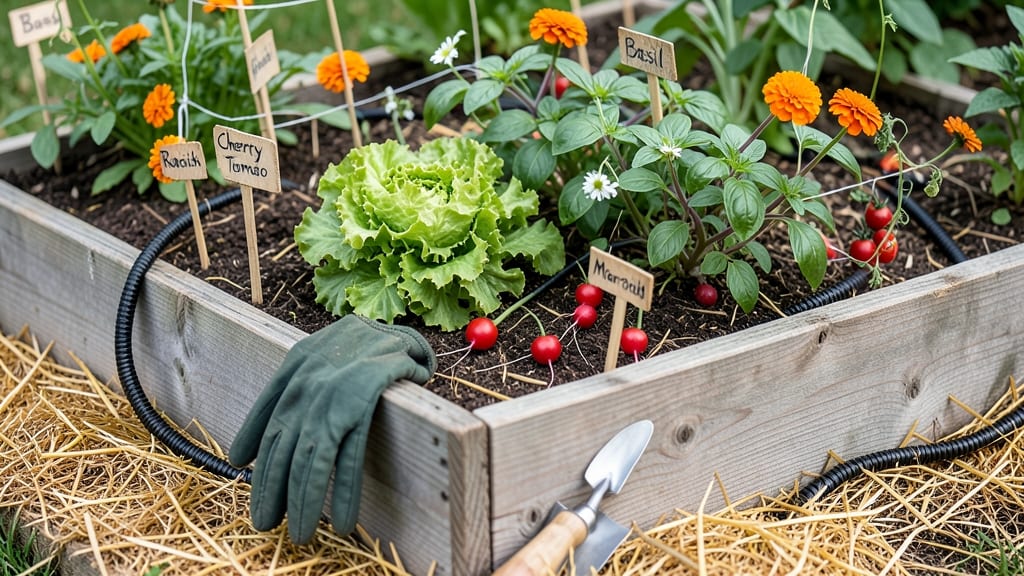
Creative outdoor raised garden bed ideas can turn even the smallest yard into a thriving green space 🌱—without sacrificing style or functionality.
Picture this: a cozy patio transformed into a lush herb garden, or a narrow balcony bursting with tomatoes and peppers. The key isn’t just having space—it’s making the most of what you’ve got with smart layouts that fit your unique outdoor area.
From tiered wooden frames to sleek stone-edged beds, we’ll explore 10 space-saving designs that work for balconies, side yards, or cramped back patios. Each idea balances beauty with practicality, so you get both a stunning garden and a bountiful harvest.
You’ll discover how to choose durable materials, optimize soil depth for root growth, and arrange plants for maximum yield—all while keeping your garden looking polished and inviting. Ready to grow more in less space?
10 Space-saving raised garden bed layouts for small yards
Transforming a small yard into a productive garden starts with smart raised bed designs. These layouts maximize every square inch while keeping maintenance simple and aesthetics appealing.
Whether you have a balcony, patio corner, or narrow backyard, the right configuration can triple your growing space without sacrificing beauty.
Vertical space is your best friend in tight areas. I’ve designed layouts that use walls, fences, and even window boxes to create multi-level gardens.
For example, a 3-tiered cedar bed can fit where a single in-ground plot wouldn’t. Each tier adds 12-18 inches of growing area without expanding your footprint.
Here’s how these layouts compare—pick based on your space, sunlight, and gardening goals:
| Layout Name | Space Needed | Growing Area (sq ft) | Best For | Sunlight Needs |
|---|---|---|---|---|
| Corner Pocket Bed | 3' x 3' footprint | 9 sq ft (triangular) | Patio corners, fences | Partial to full sun |
| Vertical Pallet Garden | 2' x 4' wall space | 16 sq ft (3 tiers) | Balconies, decks | Full sun |
| Window Box Extension | 1' deep window ledge | 3 sq ft (herbs/flowers) | Kitchen windows | Partial sun |
| Spiral Herb Garden | 2' diameter circle | 3 sq ft (compact) | Small porches | Full sun |
| Stacked Stone Planters | 4' x 2' base | 20 sq ft (4 levels) | Backyard edges | Partial sun |
| Hanging Basket Trellis | Ceiling hook | 2 sq ft (vertical) | Porches, decks | Full sun |
| Keyhole Bed | 3' diameter circle | 7 sq ft (efficient) | Ground-level | Full sun |
| Modular Grid System | Customizable panels | 10-50 sq ft | Large patios | Full to partial |
| Trench Garden | 6' long x 1' wide | 6 sq ft (long) | Narrow spaces | Full sun |
| Raised Window Box | 2' x 6' window | 12 sq ft (deep) | Basement windows | Indirect light |
My favorite for beginners is the corner pocket bed—it’s simple to build with 2x4 lumber and fits snugly against walls. Line the bottom with landscape fabric to prevent weeds, then fill with a mix of topsoil and compost for nutrient-rich growth.
This design works perfectly for leafy greens or herbs that thrive in partial shade.
For urban gardeners, the vertical pallet garden turns scrap wood into a high-yield system. Stagger three pallets against a fence, fill with moisture-retentive potting mix, and plant cherry tomatoes or strawberries in the gaps.
The vertical orientation keeps roots cool while maximizing exposure to 6+ hours of sunlight.
Don’t overlook window boxes—they’re ideal for herbs and salad greens that grow quickly. Extend them with a deep planter tray (12-18 inches) to accommodate root vegetables like radishes or carrots. Place them where you’ll see them daily to encourage harvesting fresh produce for meals.
Pro tip: Use reflective mulch like white gravel around beds to redirect sunlight to shaded areas. This trick boosts growth in partial-sun layouts by up to 20%. Pair it with drought-toler
How to choose the best materials for durable raised beds
Building a raised garden bed is one of the best ways to create a thriving garden, but choosing the right materials can make all the difference. Your selection impacts longevity, aesthetics, and even your budget.
Whether you're looking for natural wood, low-maintenance composites, or eco-friendly recycled options, each material has unique benefits and trade-offs.
I’ve tested cedar, composite lumber, recycled plastic, and even stone for my own raised beds, and I’ll walk you through the pros and cons of each.
If you're on a budget, DIY pallet designs can also be a great solution—just with a few extra steps to ensure durability.
Natural, aromatic wood
- Naturally rot-resistant
- Beautiful aesthetic appeal
- Eco-friendly natural material
- Requires regular staining/sealing
- Can warp or crack over time
- Higher initial cost than pine
Wood-plastic blend
- No maintenance needed
- Resistant to rot and insects
- Long lifespan (20+ years)
- More expensive upfront
- Can get hot in sunlight
- Less natural look than wood
Durable and lightweight
- 100% weatherproof
- Lightweight for easy assembly
- Eco-friendly recycled material
- Can look cheap if not styled
- Limited color options
- May crack under heavy loads
Natural and long-lasting
- Extremely durable (50+ years)
- No maintenance required
- Beautiful natural aesthetic
- Very heavy and expensive
- Requires professional installation
- Limited design flexibility
If you're looking for a budget-friendly option, consider repurposing wooden pallets. Just sand them down, treat them with a non-toxic sealant, and line the bottom with landscape fabric to prevent weeds. Pallets are free or low-cost, but they may not last as long as cedar or composite lumber.
For urban gardens or small spaces, I recommend composite lumber or recycled plastic because they require minimal upkeep. If you’re going for a rustic look, cedar or stone will elevate your garden’s curb appeal while still being functional.
No matter which material you choose, always prioritize proper drainage and soil quality—your plants will thank you! Whether you're building a single bed or a multi-level system, the right materials will ensure your garden thrives for years to come. 🌿