
Tools
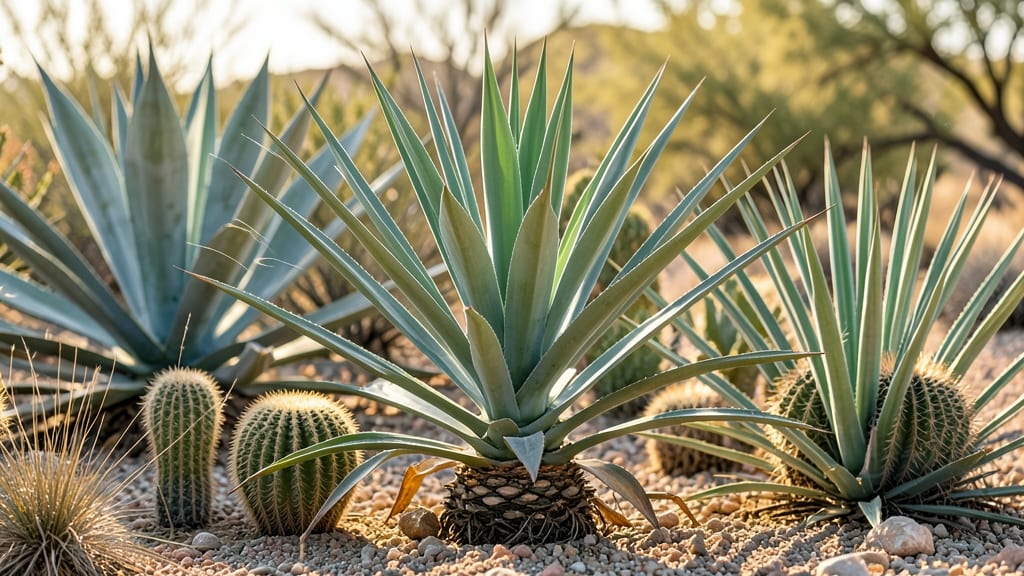
Visiting Moorten Botanical Garden in Palm Springs reveals a stunning collection of over 2,000 rare desert plants across 12 acres, including hidden trails like the Moonlight Garden and Desert Oasis that highlight cacti, succulents, and palm species in a tranquil desert landscape.
This desert oasis isn't just a garden—it's a living classroom for rare botanical treasures. 🌵 The Moonlight Garden, for example, features agave varieties that glow under night lighting, while the Desert Oasis showcases native palms like the California fan palm (Washingtonia filifera) thriving in the region's microclimates.
What makes Moorten special is how it balances conservation with accessibility, offering quiet paths perfect for both photography and quiet reflection.
Beyond the main attractions, seasonal highlights transform the experience. Spring brings vibrant desert wildflowers like the California poppy, while summer's agave rosettes reach their dramatic peak. The Shade Garden provides a cool respite with drought-tolerant shrubs, while the Moonlight Garden's nighttime illumination creates magical photo opportunities.
Pro tip: Weekday mornings offer the best lighting for plant details and fewer crowds.
💡 In This Article
- Unique Desert Plant Species at Moorten Botanical Garden
- Best Hidden Trails and Seasonal Highlights at Moorten
Unique desert plant species at Moorten botanical garden
Moorten Botanical Garden serves as a sanctuary for over 2,000 rare desert plants, many of which are native to the Sonoran and Mojave deserts. One standout is the Saguaro cactus (Carnegiea gigantea), which can grow up to 50 feet tall and lives for over 150 years.
These iconic cacti thrive in Palm Springs' climate due to their deep root systems that access groundwater while their thick, waxy skin minimizes water loss.
Another highlight is the California fan palm (Washingtonia filifera), which grows 60-80 feet tall and produces 100-pound seed clusters—a striking contrast to the spiky cacti.
The garden also features agave species like the Agave parryi, known for its striking blue-green rosettes and 3-foot-long leaves. These succulents store water in their thick leaves, allowing them to survive months without rain—a perfect adaptation to Palm Springs' 25-30°F nighttime temperature swings.
The Desert Spoon (Dasylirion wheeleri) adds another dimension with its arching fronds and edible flower buds, showcasing the region's edible desert flora.
What makes Moorten's collection unique is its focus on conservation. Many plants, like the critically endangered Mojave yucca (Yucca schidigera), are propagated here to prevent extinction. The garden's microclimates—ranging from sun-exposed areas to shaded oases—allow species from different elevations to coexist.
For example, the Joshua tree (Yucca brevifolia), native to higher deserts, thrives here thanks to the garden's elevation variation of 500-1,500 feet.
The botanical significance extends to the garden's pollinator-friendly plants. Species like the Desert Marigold (Baileya multiradiata) attract hummingbirds and bees with their bright yellow flowers, while the Cholla cactus (Cylindropuntia spp.) provides nectar for specialized desert insects.
These relationships highlight how Moorten functions as both a display garden and an ecological study site, demonstrating how desert plants support complex food webs.
Visitors can observe these adaptations firsthand during guided tours, which explain how each plant's structure—from spines that deter herbivores to shallow roots that capture brief rainfalls—contributes to its survival.
The garden's living collection serves as a real-world textbook for desert ecology, making it a must-visit for plant enthusiasts and conservationists alike.
For those interested in rare species, the Moonlight Garden features night-blooming plants like the Queen of the Night cactus (Selenicereus grandiflorus), which opens its 12-inch-wide white flowers only under moonlight—a spectacle that occurs once every 7-10 years in the wild.
This rare bloom exemplifies why Moorten's collection is both scientifically valuable and visually breathtaking.