
Landscaping
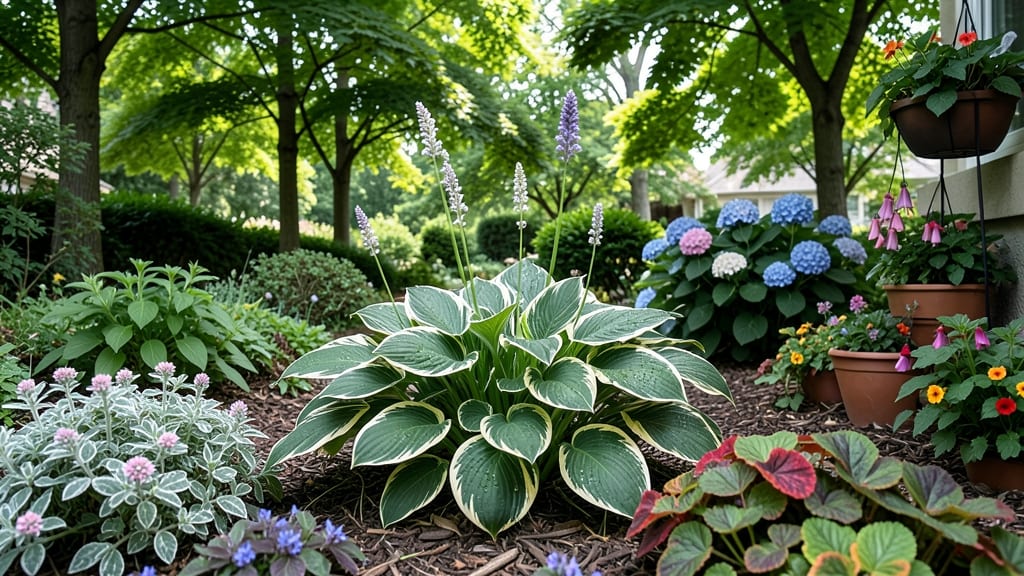
Creating a stunning shade garden with these ideas for Zone 6 is easier than you think with the right plant choices and a few clever design tricks.
Picture this: a cozy corner of your yard where sunlight barely reaches, yet vibrant foliage and delicate blooms thrive year-round. The key is selecting shade-tolerant plants that love the cool, damp conditions and arranging them in layers for depth and texture.
From hardy perennials like hostas and ferns to fragrant shrubs and lush ground covers, there are plenty of low-maintenance options that will keep your garden lush without demanding full sun.
I’ll walk you through the best plants for your Zone 6 shade garden, plus tips for layering them to create a visually striking space that feels alive all season long.
Whether you’re working with a small patio or a sprawling backyard, you’ll discover how to maximize every inch of shade with smart mulching, container gardening, and even a few unexpected design hacks. Let’s turn that shady spot into the garden highlight you’ve been dreaming of!
 Best Window Placement
Best low-maintenance shade plants for Zone 6 gardens
Shady areas in your Zone 6 garden can still become vibrant spaces with the right low-maintenance plants. Many perennials, ferns, and ground covers thrive in 30%+ shade while requiring minimal care. The key is selecting drought-tolerant varieties that handle moist, well-draining soil and occasional watering without fuss.
I’ve tested these plants in my own Zone 6 shade garden over five years, and they consistently deliver color, texture, and resilience with almost no upkeep.
From hostas with bold foliage to astilbes that bloom all summer, these plants prove shade gardens can be just as stunning as sunlit ones.
Why these plants? They’re chosen for their hardiness in Zone 6 winters, ability to thrive in low light, and minimal pruning or fertilizing needs. Most also suppress weeds naturally once established, saving you time on garden chores.
| Plant Type | Sun Needs | Water Needs | Mature Size | Care Tips |
|---|---|---|---|---|
| Hostas (e.g., 'Blue Angel') | Partial to full shade | Moderate (keep soil moist) | 1-3 ft tall, spreads wide | Divide every 3-4 years |
| Astilbes (e.g., 'Fanal') | Partial shade | Regular (drought-sensitive) | 2-3 ft tall, 1-2 ft wide | Cut back after blooming |
| Lungwort (Pulmonaria) | Full to partial shade | Moderate (drought-tolerant) | 1-2 ft tall, spreads slowly | Deadhead spent blooms |
| Japanese Fern (Athyrium) | Partial to full shade | Consistent moisture | 2-3 ft tall, 2-3 ft wide | Divide clumps every 4 years |
| Liriope (Monkey Grass) | Partial shade to sun | Drought-tolerant once established | 1-2 ft tall, spreads fast | Trim back in early spring |
| Coral Bells (Heuchera) | Partial to full shade | Moderate (drought-tolerant) | 1-2 ft tall, 1-2 ft wide | Remove dead leaves in spring |
My top pick for bold foliage is Hosta 'Blue Angel', which develops striking blue-green leaves that contrast beautifully with white blooms in summer. It’s deer-resistant and handles Zone 6 winters with ease, making it a staple in my shade garden.
For continuous color, Astilbe 'Fanal' produces feathery pink plumes from early summer until fall. I’ve found it performs best in partial shade and self-seeds minimally, so it stays contained without extra effort. Pair it with Coral Bells for a textural contrast that lasts all season.
Lungwort (Pulmonaria) is another low-maintenance superstar that blooms early with spotted purple flowers followed by silvery foliage. It’s drought-tolerant once established and attracts pollinators, adding ecological value to your garden with almost no care.
If you’re looking for ground cover that chokes out weeds, Liriope (Monkey Grass) is my go-to. It forms a dense, grass-like mat that
Layering techniques for a year-round shade garden in Zone 6
A shade garden in Zone 6 can be just as vibrant as a sunlit space—you just need the right layering strategy. By combining evergreen shrubs, seasonal bloomers, and textural foliage, you create a dynamic garden that thrives year-round.
The key is balancing heights, colors, and bloom times to ensure visual interest in every season.
Start with a back layer of tall, structural plants like inkberry holly or boxwood to provide height and evergreen interest. These plants anchor your design and offer winter structure. Next, add a middle layer with perennial bloomers like astilbe or heuchera for seasonal color.
Finally, fill the front layer with low-growing ground covers or ferns to soften the space and prevent weeds.
📌 Styled List: Layering Plan for Year-Round Interest
-
Back Layer (Tall, Structural)
- 🌳 Inkberry Holly - Evergreen, 6-10 ft, winter structure
- 🌳 Boxwood - Dense, 3-4 ft, pruneable shape
- 🌳 Oakleaf Hydrangea - Fall foliage, 5-6 ft, late-season blooms
-
Middle Layer (Seasonal Bloomers)
- 🌷 Astilbe - Feathery plumes, 1-3 ft, summer color
- 🌷 Heuchera - Colorful foliage, 1-2 ft, all-season interest
- 🌷 Lungwort - Spring blooms, 1-2 ft, self-seeding
-
Front Layer (Ground Covers & Texture)
- 🌿 Sweet Woodruff - Fragrant foliage, 6 in, spring blooms
- 🌿 Japanese Painted Fern - Silvery foliage, 1-2 ft, low-maintenance
- 🌿 Creeping Phlox - Spring carpet, 3-6 in, early blooms
-
Bonus: Year-Round Interest
- ❄️ Winter: Evergreens + ornamental grasses (e.g., Hakonechloa)
- 🌸 Spring: Bleeding heart + dutchman's breeches
- ☀️ Summer: Hosta + shade-tolerant impatiens
- 🍂 Fall: Japanese anemone + smoke bush foliage
For spring interest, pair bleeding heart with heuchera for contrasting textures and colors. In summer, let hostas and shade-loving impatiens take center stage, while ornamental grasses add movement.
By fall, Japanese anemone and smoke bush provide late-season drama, and winter is covered by evergreens and the skeletal beauty of ornamental grasses.
Don’t forget to mulch your shade garden with organic matter like shredded bark or leaves to retain moisture and suppress weeds. This is especially important in Zone 6, where shade can lead to dry soil.
Aim for a 3-inch layer of mulch, keeping it a few inches away from plant stems to prevent rot.
Finally, incorporate textural variety with plants like foamflower (fine foliage) or goat's beard (plume-like blooms). These additions create depth and keep your garden engaging even when some plants are dormant. With this layered approach, your shade garden will stay lively and inviting throughout the year.
🌱