
Vegetables
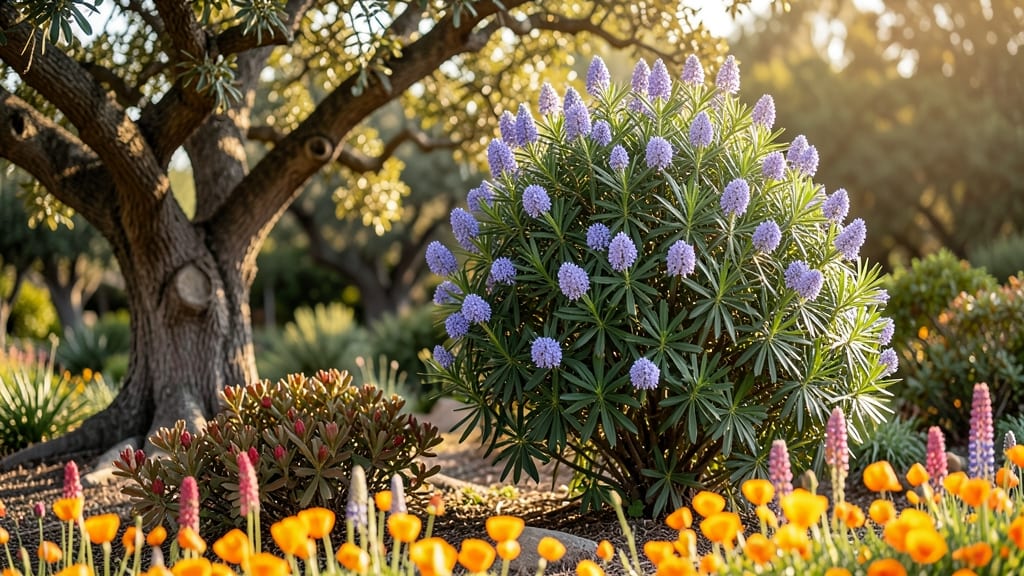
Mendocino CA Botanical Gardens offers stunning coastal plant collections, rare native California flora, and peaceful redwood-lined paths. This year-round destination shines brightest in spring for vibrant wildflowers or fall for golden foliage and quieter visits. Always check their website for seasonal blooms and guided tour schedules.
The gardens showcase over 1,000 plant species thriving in the region's unique microclimates, from foggy coastal scrub to sun-drenched meadows. 🌿 What makes it special is its conservation focus—many endangered plants like the California poppy and coastal woodfern find refuge here.
The redwood canopy creates a magical atmosphere, especially during sunset walks when the light filters through the branches.
Beyond the plants, the gardens host educational programs that teach visitors about native ecosystems and sustainable gardening. Whether you're a plant enthusiast or just love peaceful nature walks, this is one of Northern California's hidden gems.
The volunteer-led tours in spring reveal hidden details about the gardens' history and the delicate balance of coastal ecosystems.
💡 In This Article
- Exploring Mendocino Coast Native Plants and Rare Species
- Best Times to Visit Mendocino Botanical Gardens by Season
Exploring mendocino coast native plants and rare species
The Mendocino Coast Botanical Gardens thrive in a delicate balance of coastal fog, ocean winds, and nutrient-rich soil—creating an ecosystem unlike any other in California.
Here’s what makes these plants so unique: the gardens sit at the intersection of three distinct zones: coastal scrub (home to drought-resistant shrubs), redwood understory (with shade-loving ferns and mosses), and sun-drenched meadows (where wildflowers flourish).
The fog that rolls in from the Pacific Ocean can drop moisture levels to 90% humidity during summer mornings, which allows plants like the coastal woodfern (Pentagramma triangularis) to thrive in conditions too damp for most gardens. 🌿
One of the gardens' most celebrated residents is the Mimulus aurantiacus—commonly known as the sticky monkeyflower—whose bright orange blooms attract hummingbirds and bees. This species is particularly fascinating because its sticky stems deter herbivores while its nectar-rich flowers support pollinators.
The gardens also protect endangered plants like the California poppy (Eschscholzia californica), which relies on the coastal soil's unique mineral composition (high in selenium) to develop its signature vibrant yellow petals.
Unlike most poppies, these coastal varieties bloom later in the season, adapting to the region's unpredictable rainfall patterns.
The gardens' conservation efforts go beyond preservation—they actively restore native plant populations. For example, the coastal prairie section features rare grasses like Festuca idahoensis that once covered thousands of acres before development. Volunteers propagate these plants in nurseries before transplanting them into restored habitats along the coast.
This hands-on approach means visitors can see firsthand how native plants recover when given the right conditions—like the 10-inch-deep soil layer enriched with compost that mimics natural coastal ecosystems. 🌱
Seasonal changes dramatically alter the gardens' appearance. In spring, the coastal scrub transforms into a sea of purple lupines (Lupinus albifrons) and blue-eyed grass (Sisyrinchium bellum), while summer brings out the redwood sorrel (Oxalis oregana), whose heart-shaped leaves thrive in the dappled shade.
The soil's pH—typically between 5.5 and 6.5—plays a crucial role in these cycles, as it affects nutrient availability for different species. For instance, the coastal woodfern prefers slightly acidic soil, while the California buckwheat (Eriogonum fasciculatum) thrives in more alkaline conditions.
What most visitors don’t realize is how the gardens’ layout mimics natural coastal landscapes. The steep, terraced paths guide you through microclimates, from the foggy northern slopes (where lichens grow) to the sunbaked southern exposures (where cacti like the prickly pear (Opuntia) survive).
This design isn’t just for aesthetics—it educates visitors about how plants adapt to their environment. For example, the coastal sage (Artemisia californica) grows in dense mats to conserve moisture, while the redwood tree fern (Dicksonia antarctica) thrives in the damp understory where sunlight barely reaches.
If you're planning a visit, timing matters for seeing these adaptations in action. Spring (March–May) is peak wildflower season, but summer reveals how plants like the coyote brush (Baccharis pilularis) conserve water through thick, waxy leaves.
Even in winter, the gardens stay alive with evergreen manzanita (Arctostaphylos) berries that feed birds—a reminder of how coastal plants endure year-round. The gardens’ volunteer docents often point out these details during weekend tours, making it an immersive experience beyond just walking among the plants. 🌲