
Planting
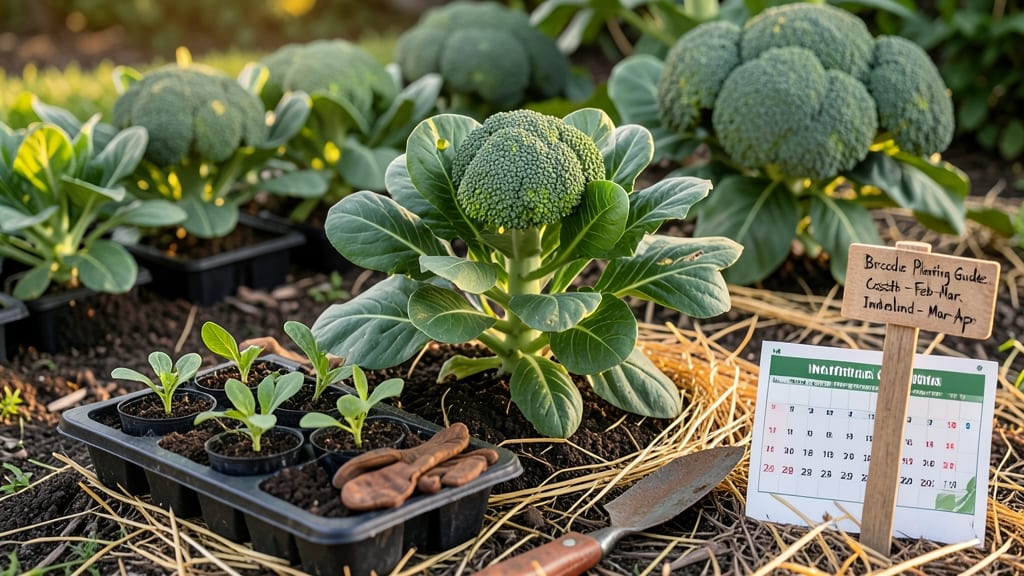
To plant a vegetable garden in Northern California, time it right between September and March for cool-season crops and March to June for warm-season varieties—because one wrong move could mean frozen seedlings or bolted greens.
Northern California’s diverse microclimates—from coastal fog to inland valleys—mean your vegetable garden’s success hinges on planting at the perfect time. Get the wrong timing, and your seedlings could freeze overnight or bolt in the heat.
But follow this zone-specific guide, and you’ll harvest crisp lettuce, juicy tomatoes, and homegrown peppers all season long.
Whether you’re in USDA Zone 8a (like Sacramento) or 10a (coastal areas), the last frost date varies—typically between February 15 and March 15. That’s your cue to start cool-season crops like kale and carrots, while warm-season plants like tomatoes and peppers wait until after the frost danger has passed.
Below, I break down the exact planting windows by region, soil prep tips to give your garden a head start, and how to adjust for high-desert areas or urban heat islands. No more guessing—just peak harvests all year.
Northern California planting zones & frost-free dates by region
Northern California spans USDA Hardiness Zones 8a–10a, but the real magic happens in the microclimates—where coastal fog can delay frost weeks longer than inland valleys. Understanding these frost-free dates is your secret weapon for timing vegetable gardens perfectly.
Plant too early, and a surprise frost will turn your seedlings into sad, icy snacks. Plant too late, and summer heat will make your tomatoes bolt before they ripen.
Let’s break down the key regions and their last frost dates, so you can align your planting calendar with nature’s rhythm.
Whether you’re in the San Francisco Bay Area, the Sacramento Valley, or the Central Coast, this guide will help you avoid the common pitfalls of early spring heatwaves and late-season frosts.
Here’s your region-by-region frost-free timeline, including coastal vs. inland differences that can shift planting windows by 3–4 weeks. Use this as your roadmap to successful vegetable gardening all year long.
If you’re in the San Francisco Bay Area (Zone 9b–10a), you’re lucky—your last frost date is typically by March 15, giving you a long window to grow warm-season crops like tomatoes and peppers.
But don’t let the coastal fog fool you: early spring heatwaves (like the one in 2023 that hit 80°F in March) can still fry tender seedlings. Start heat-sensitive crops like basil indoors or use shade cloth until temps stabilize.
The Sacramento Valley (Zone 8a–9a) has a shorter frost-free season, with first frosts often arriving by November 15. This means your last chance to plant warm-season crops is around June 15.
For cool-season crops like kale and carrots, start them in late summer (August) to avoid bolting in the heat. Use mulch to keep soil cool and retain moisture during summer droughts.
On the Central Coast (Zone 9a–10a), you can push the limits—cool-season crops like spinach and broccoli can grow well into May, and warm-season crops like eggplants can thrive until October. The key? Succession planting every 2–3
Best vegetables to plant by month in Northern California (with heat tolerance notes)
Timing is everything in Northern California’s garden, where coastal fog can delay spring while inland valleys heat up fast. Cool-season crops like kale and carrots thrive in mild winters, while peppers and cucumbers demand summer warmth.
Heat-sensitive varieties like spinach and broccoli need careful scheduling to avoid bolting. Below, I’ve mapped out the best planting windows by month—plus heat tolerance notes to keep your garden productive year-round.
For coastal regions (e.g., San Francisco), start cool-season crops like lettuce and peas as early as September to harvest before winter rains.
Inland areas (e.g., Sacramento) can plant the same crops in October for a longer harvest window. Succession planting is key: sow radishes every 2 weeks in fall for continuous harvests until spring.
🌱
Heat tolerance varies wildly: peppers and okra thrive in 95°F+ temps, while spinach and broccoli bolt when soil temps exceed 80°F. For example, tomatoes planted in June in Sacramento may need afternoon shade to prevent sunscald. Succession planting every 2–3 weeks ensures a steady harvest—try bush beans every 10 days from April to July.
Pro tip: Use mulch to regulate soil temps. Straw keeps roots cool in summer and retains warmth in winter. In coastal fog zones, delay warm-season crops until May to avoid 30°F nighttime dips that can stunt growth.
For high-desert areas (e.g., Truckee), start seeds indoors in March to beat the short growing season.
🌿 Plan your garden like a chef’s menu: balance cool-season and warm-season crops to enjoy fresh produce from fall to summer. Start with hardy greens in September, then transition to tomatoes and peppers by April.
With this schedule, you’ll avoid the “June gap”—that frustrating lull between winter harvests and summer crops.