
Tools
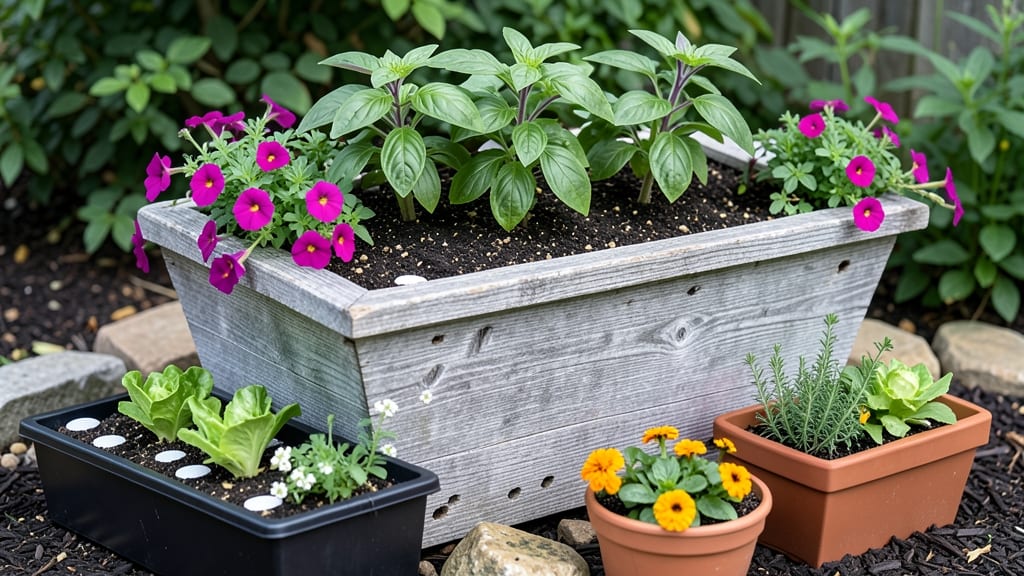
When solving crossword clues for large garden planters, look for terms like troughs, bins, or vats—these are frequent answers. Abbreviations (e.g., _GPL_ for garden planters) and homophones (planters vs. planets) also appear in tricky clues.
Crossword puzzles often draw from gardening terminology to describe large containers, favoring words that imply scale and function.
Terms like troughs or bins suggest sturdy, oversized planters, while vats add a playful industrial twist. 🌱 The key is recognizing how clues might abbreviate or play on sounds—like _GPL_ for garden planters or planets for planters.
I’ve seen tubs and pots appear too, especially in easier puzzles where wordplay is minimal.
For example, a clue like "Garden container for herbs (5 letters)" might point to trough, while "Large plant holder (4 letters)" could be vat.
Pay attention to the number of letters and whether the clue hints at size or material. This attention to detail separates casual solvers from experts.
💡 In This Article
- Common Crossword Clues for Garden Planters
- Decoding Crossword Clues for Garden Containers
Common crossword clues for garden planters
Crossword clues for large garden planters often favor terms that evoke both size and functionality. Words like troughs and bins appear frequently because they describe containers that are deep and wide enough to hold substantial amounts of soil and plants.
Historically, troughs were used in medieval gardens for growing herbs and vegetables, while bins became popular in the 19th century for larger-scale gardening projects. These terms are favored in puzzles because they fit the 5-6 letter range commonly seen in crossword grids.
The term vat adds a unique twist, often used in clues to suggest an industrial or oversized container. While not a traditional gardening term, vats are large enough to hold plants and are commonly referenced in crosswords to challenge solvers with less common vocabulary.
For example, a clue like "Large garden container (4 letters)" might point to vat, while "Garden holder for herbs (5 letters)" could be trough. The size implication is key—these containers are designed to hold more than just a few plants, making them ideal for larger gardening projects. 🌿
Material also plays a role in how these terms are used. Tubs and pots are more generic and often appear in easier clues, while bins and vats suggest sturdier, possibly wooden or metal containers.
Crossword constructors often rely on these distinctions to create clues that require solvers to think beyond the obvious. For instance, a clue like "Wooden garden planter (4 letters)" might lead to tub, whereas "Metal garden container (3 letters)" could be vat.
Another factor is the historical context of gardening. In Victorian-era gardens, bins were used for storing soil and compost, while troughs were essential for growing root vegetables. These terms carry a sense of tradition and practicality, which crossword creators leverage to add depth to their puzzles.
The wordplay often hinges on the solver recognizing these historical or functional nuances, making the clues more engaging for enthusiasts.
Consider the clue: "Garden container for root crops (5 letters)." The answer is likely trough, as these containers were historically used for growing carrots, parsnips, and other root vegetables. Meanwhile, a clue like "Large garden planter (4 letters)" might be vat, emphasizing its industrial, oversized nature.
These distinctions help solvers narrow down the correct answer by focusing on the specific use case or material implied in the clue. 💡
Finally, the size of the container is a critical factor. Troughs and bins are typically larger than pots or tubs, making them ideal for crossword clues that require a broader, more substantial answer.
This size implication is often hinted at in the clue itself, such as "large garden planter" or "oversized garden container." By paying attention to these details, solvers can decode even the trickiest clues with confidence.