
Tools
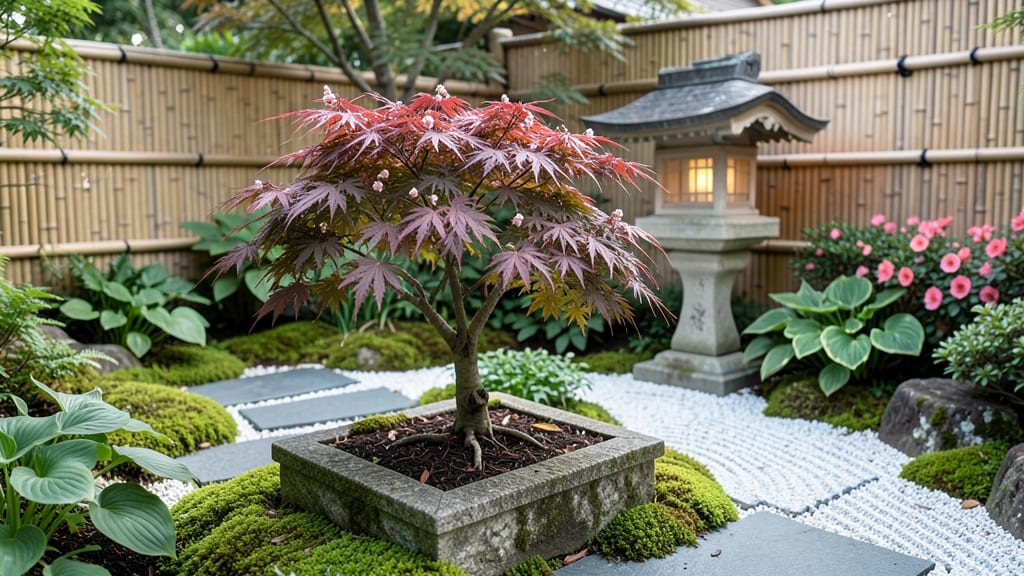
Japanese gardens on Staten Island provide peaceful retreats featuring thoughtfully arranged water features, winding stone pathways, and lush native plants like vibrant maples and graceful bamboo. These spaces combine classic Zen design with practical accessibility, blending cultural tradition with local charm.
Staten Island's Japanese-inspired gardens stand out for their ability to create tranquil spaces that feel both authentic and welcoming. 🌿 Many feature carefully placed koi ponds or miniature waterfalls that channel traditional Japanese design principles, while adapting to the island's natural terrain and climate.
The most popular spots often include seasonal highlights—like cherry blossoms in spring or fiery maple leaves in autumn—that draw visitors seeking both beauty and serenity.
What makes these gardens special is how they balance cultural heritage with modern accessibility. Unlike some traditional Japanese gardens that require special attire or strict protocols, Staten Island's versions welcome all visitors with easy pathways and English-friendly signage.
This thoughtful approach ensures everyone can experience the calming effects of these meticulously designed landscapes, whether you're a seasoned gardener or a first-time visitor.
💡 In This Article
- Traditional Japanese Garden Design Elements Found Locally
- How to Plan a Visit to Staten Island’s Japanese Gardens
Traditional Japanese garden design elements found locally
Staten Island’s Japanese gardens masterfully incorporate core design principles while adapting them to the island’s unique environment. At the heart of these spaces lies water symbolism, often represented through tranquil ponds or cascading streams that mimic natural landscapes.
For example, the 10-foot-wide koi pond at Snug Harbor Cultural Center mirrors traditional Japanese garden ponds, complete with strategically placed stepping stones that guide visitors through the space while promoting mindfulness.
The water’s gentle movement creates a soothing auditory experience, a key element in Zen garden design meant to evoke harmony with nature.
The rock arrangements (karesansui) found in these gardens follow precise principles of asymmetry and natural placement, even in limited spaces.
Unlike the expansive Zen rock gardens of Kyoto, Staten Island’s versions use locally sourced granite and slate arranged in clusters of three or five—odd numbers considered lucky in Japanese culture—to create focal points that draw the eye.
The 3-foot-high rock formations at the Staten Island Botanical Garden, for instance, are positioned to frame views of cherry blossoms or distant water features, demonstrating how these gardens use limited space to maximize visual impact.
Plant selection is another critical adaptation, where traditional species like wisteria, azaleas, and bamboo are paired with hardy native varieties such as red maples and serviceberry trees to ensure year-round interest.
The Japanese maples (Acer palmatum) at these gardens, with their delicate lace-like leaves, thrive in Staten Island’s climate, offering vibrant autumn colors that contrast beautifully with evergreen pines.
This thoughtful blending of imported and native flora ensures the gardens remain lush and vibrant throughout all four seasons, a practical solution that preserves the aesthetic while reducing maintenance challenges.
One standout feature is the use of moss (koke), which covers pathways and rock crevices, adding texture and a sense of age to the landscape.
The Shinto-style moss gardens at the Staten Island Japanese Garden Society’s private estate use a technique called koke-mochi, where moss is carefully cultivated to create undulating patterns that guide visitors’ footsteps.
This technique not only enhances the garden’s visual appeal but also serves a functional purpose by retaining moisture and suppressing weeds, a practical adaptation to Staten Island’s humid climate.
The gardens also incorporate seasonal elements that reflect traditional Japanese practices, such as spring cherry blossoms (sakura), summer hydrangeas, and winter pine branches (matsu) arranged as boughs.
For example, the 200-year-old cherry trees at the Staten Island Japanese Garden Society’s public display bloom in early April, aligning with Japan’s hanami (flower-viewing) tradition.
This seasonal rotation ensures each visit offers a new experience, whether you’re admiring the delicate pink petals of sakura or the fiery hues of autumn maples.
What truly sets these gardens apart is their adaptation to local constraints, such as limited space and urban proximity.
Traditional Japanese gardens often require expansive land, but Staten Island’s versions use vertical elements like bamboo screens and trellises to create enclosed spaces, while stone lanterns (tōrō) and bridge structures add depth without requiring extensive footprints.
These clever adaptations allow visitors to experience the essence of Japanese garden design—serenity, balance, and connection to nature—even in a compact urban setting.