
Tools
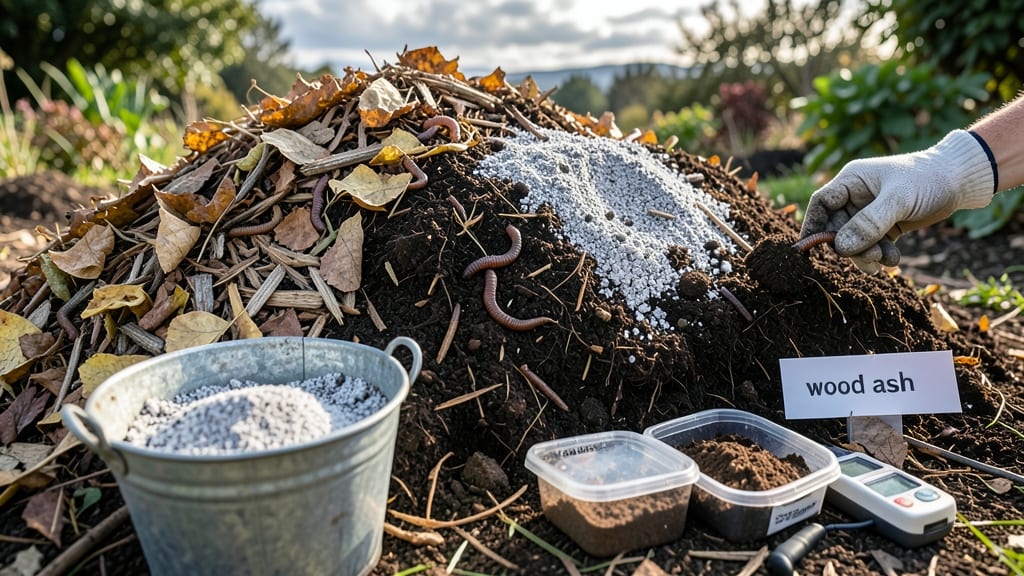
Wood ash can be good for garden soil when used carefully, as it boosts potassium levels and raises pH, but applying too much may create alkaline conditions that damage acid-loving plants like hydrangeas or rhododendrons. Start with small amounts and test soil pH regularly.
Wood ash works best for plants that thrive in slightly alkaline conditions, such as tomatoes, peppers, and brassicas. 🌱 The potassium boost helps with flowering and fruiting, while the calcium content strengthens cell walls.
However, its alkaline nature means you should avoid using it on acid-loving plants or if your soil already tests above 7.0 pH. Always mix it into the top inch of soil rather than applying it directly to plant stems to prevent chemical burns.
For best results, I recommend testing your soil first with a simple pH kit. If your soil is acidic, a light application—about ½ cup per 10 square feet—can help balance it. But remember, wood ash doesn’t add organic matter, so combine it with compost for long-term soil health.
And if you’re burning treated wood, skip it entirely, as chemicals in the ash can harm plants.
💡 In This Article
- How Wood Ash Affects Soil Chemistry and Plant Growth
- Safe Wood Ash Application Guidelines for Gardeners
How wood ash affects soil chemistry and plant growth
Wood ash primarily alters soil chemistry by raising pH levels through its alkaline properties, with a typical pH of 10.5-12.5 when dissolved in water.
The key active compounds are potassium oxide (K2O), calcium oxide (CaO), and phosphorus pentoxide (P2O5), which react with soil moisture to form soluble salts. Potassium, in particular, plays a crucial role in plant metabolism by activating enzymes that convert sugars into energy during photosynthesis.
Calcium strengthens cell walls, improving drought resistance, while phosphorus supports root development and flowering.
When applied to acidic soils (pH < 6.5), wood ash neutralizes excess hydrogen ions through a chemical exchange process where calcium and potassium ions displace hydrogen from soil particles.
This shift creates a more balanced environment for nutrient uptake, especially for vegetables like tomatoes and peppers that prefer 6.0-7.0 pH. However, the effect is temporary—ash dissolves quickly, so repeated applications are needed.
The granular texture of ash also improves soil aeration by breaking up compacted clay particles, though it doesn't add organic matter like compost.
Overapplication becomes problematic because the high pH can lock out essential nutrients like iron, manganese, and zinc, leading to deficiency symptoms such as yellowing leaves (chlorosis) in plants. Acid-loving species like blueberries (pH 4.5-5.5) or hydrangeas will suffer stunted growth or leaf burn.
The potassium boost, while beneficial for fruiting plants, can create an imbalance if soil already contains sufficient levels, as excess potassium inhibits calcium absorption—a common issue in tomato plants developing blossom-end rot.
Another critical factor is the source of the wood ash. Hardwoods like oak or maple produce ash with higher calcium content, while softwoods like pine contain more potassium. Ash from treated wood or painted lumber should never be used, as it may contain toxic compounds like arsenic or lead.
The safest approach is to collect ash from untreated hardwood fires, sift out large particles, and store it in a dry container until use.
Long-term soil health depends on balancing ash applications with organic amendments. While ash provides immediate pH correction, it doesn't improve soil structure or microbial activity. Pairing it with compost or aged manure creates a sustainable system where organic matter feeds beneficial microbes while ash provides mineral nutrients.
The ideal ratio is 1 part ash to 10 parts soil by volume, with no more than 2 pounds per 100 square feet annually.
Think of wood ash as a temporary pH adjuster rather than a complete fertilizer. Its benefits are most noticeable in acidic soils where plants struggle with nutrient deficiencies, but it requires careful monitoring.
Regular soil tests every 2-3 years will help you track pH changes and adjust applications accordingly. The key is precision—too little does nothing, and too much creates more problems than it solves. 🌱