
Size
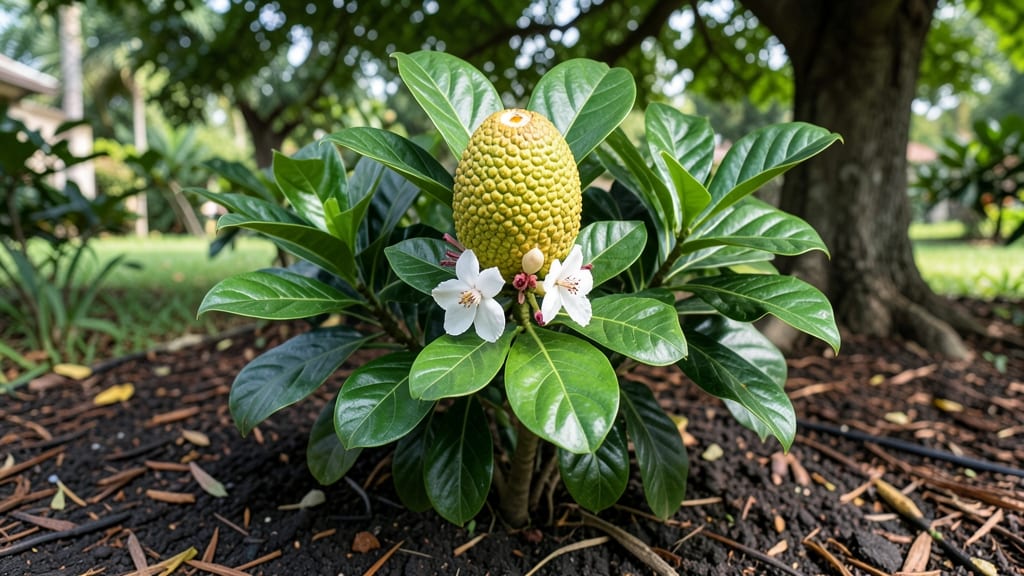
Growing sugar apple in a garden confirms it's a tropical fruit, as it thrives best in USDA zones 10-12 or container cultivation for cooler climates. This exotic tree demands high humidity, well-draining soil, and frost protection to survive and produce fruit.
Sugar apple trees, also called annona squamosa, originate from the Caribbean and Central America, where they bask in warm, humid climates year-round. 🌴 The key to growing them outside their native range lies in replicating these conditions—think 75-85°F temperatures, 70%+ humidity, and soil that drains well but retains moisture.
In cooler zones, container gardening with frost blankets becomes essential to protect young trees during unexpected cold snaps. Many gardeners swear by growing sugar apple in large pots near patios or greenhouses, where they can control the microclimate.
What makes sugar apple cultivation tricky is its sensitivity to temperature shifts. A single night below 50°F can damage leaves, while excessive heat above 90°F stresses the plant. The good news?
With proper care, these trees can produce fruit even in non-tropical areas, though yields may be smaller than in their native habitat. Patience is key—it typically takes 3-5 years for a young tree to bear fruit, but the sweet, creamy rewards make the effort worthwhile.
💡 In This Article
- Sugar Apple’s Tropical Origins and Climate Needs
- Growing Sugar Apple Trees: Step-by-Step Garden Strategies
Sugar apple’s tropical origins and climate needs
The sugar apple tree, scientifically known as Annona squamosa, hails from the lush tropical regions of the Caribbean, Central America, and northern South America. This fruit’s native habitat thrives under 75-85°F temperatures year-round, where consistent warmth and high humidity create ideal growing conditions.
The trees naturally grow in dense rainforests or coastal areas, where they receive 70-90% humidity and partial shade from taller canopy trees. 🌿 These conditions are critical because sugar apple trees are sensitive to temperature fluctuations—their leaves can scorch above 90°F or suffer frost damage below 50°F, which is why gardeners in cooler climates must replicate these tropical microclimates.
What sets sugar apple apart from other tropical fruits is its reliance on specific environmental cues to trigger flowering and fruiting. In its native range, the trees respond to the consistent warmth and humidity by producing 1-2 inch white flowers that attract pollinators like bees and bats.
Without these ideal conditions, the trees may produce fewer flowers or none at all, directly impacting fruit yield. The fruit itself—with its sweet, custard-like interior—develops best in these stable environments, where it matures over 4-6 months from flower to harvest.
In contrast, attempting to grow sugar apple in colder zones without proper protection often results in stunted growth or no fruit production.
Humidity plays a particularly vital role in sugar apple cultivation. The trees’ large, glossy leaves transpire heavily, meaning they lose moisture quickly in dry air. When humidity drops below 60%, the leaves can develop brown edges or curl, signaling stress.
Gardeners in arid climates often use methods like mist systems, pebble trays, or even indoor humidity tents to maintain the required moisture levels.
This is especially important during the fruit’s development stage, as low humidity can cause the skin to harden prematurely, reducing the fruit’s signature creamy texture. 💧 The combination of warmth, humidity, and stable conditions explains why sugar apple is classified as a true tropical fruit—it simply cannot thrive outside these parameters without significant intervention.
Another critical factor is soil composition. Sugar apple trees prefer well-draining, slightly acidic soil with a pH between 5.5-6.5. The soil must retain moisture but avoid waterlogging, as the roots are susceptible to rot.
In their native habitat, these trees grow in rich, organic soils with ample compost or decomposed leaves. Gardeners can mimic this by amending garden beds with 2-3 inches of compost or using a mix of 60% potting soil, 30% coconut coir, and 10% perlite for container growing.
The right soil balance ensures the tree’s roots stay healthy, allowing it to focus energy on flowering and fruiting rather than struggling to survive.
For those growing sugar apple in non-tropical zones, understanding these climate needs is the first step to success. The tree’s tropical origins mean it cannot tolerate frost, which is why many gardeners in zones 9 or colder opt for container cultivation.
Large pots (at least 15-gallon size) allow the tree to be moved indoors during winter or covered with frost blankets. This approach not only protects the tree but also gives gardeners control over the microclimate, ensuring the tree receives the warmth and humidity it craves.
Without these precautions, the tree’s growth will be stunted, and fruit production may fail entirely. 🌱
The science behind sugar apple’s tropical dependency lies in its physiological adaptations. The tree’s metabolic processes, including photosynthesis and nutrient uptake, are optimized for warm, humid conditions. For example, the stomata (pores on the leaves) open more efficiently in high humidity, allowing for better gas exchange and water retention.
In cooler or drier environments, these processes slow down, leading to weaker growth and reduced fruit set. This biological limitation is why sugar apple remains a tropical fruit—its survival and productivity are directly tied to replicating its native climate.