
Tools
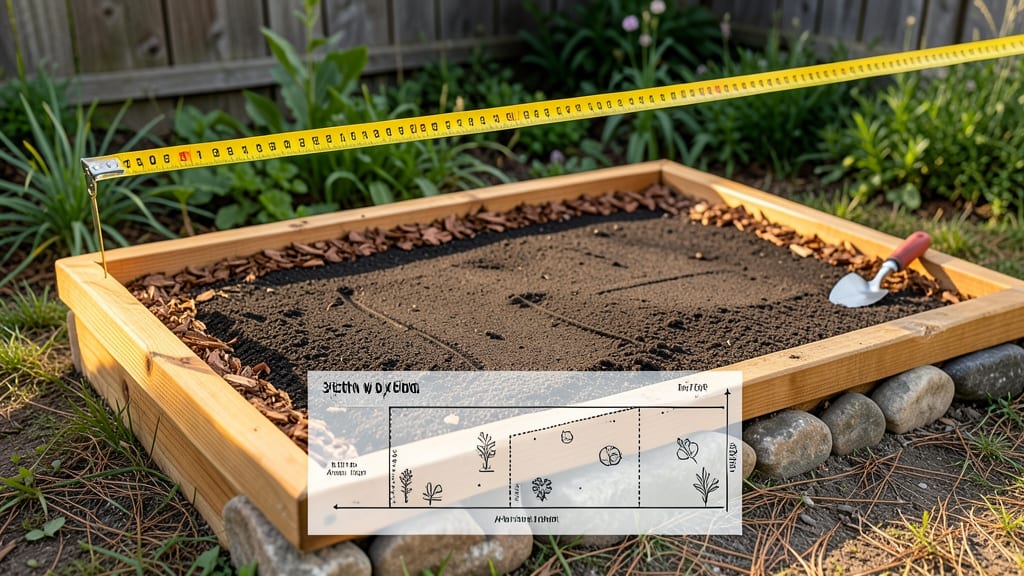
Determining the right garden bed width is the first step to a garden that thrives with less work and more rewards 🌱 — and most gardeners get it wrong without even realizing it.
Picture this: you’ve spent hours prepping soil, selecting seeds, and dreaming of a bountiful harvest, only to find yourself knee-deep in weeds or struggling to reach the center of your bed. That’s the reality when garden bed width doesn’t match your needs—or your body.
The truth? Width isn’t just about looks; it’s about accessibility, airflow, and even how well your plants grow.
Too narrow, and you waste space; too wide, and maintenance becomes a chore. The ideal width balances easy reach, proper plant spacing, and soil health—whether you’re growing veggies, herbs, or flowers.
In this guide, I’ll break down the science-backed dimensions that make gardening easier and more productive, plus how to adjust for different plants and garden styles.
From raised beds to in-ground plots, you’ll learn how to design beds that save your back, maximize yield, and keep your garden looking its best—without the guesswork.
Optimal garden bed widths for easy reach and plant spacing
If you’ve ever struggled to reach the center of your garden bed or battled weeds in hard-to-access corners, you’re not alone. The width of your garden bed directly impacts your comfort, plant health, and even your harvest.
Science-backed research shows that 30–36 inches is the sweet spot—balancing accessibility, airflow, and proper plant spacing for vegetables, herbs, and flowers.
Why does width matter so much? A bed that’s too wide forces you to step on soil, compacting it and damaging roots. Too narrow, and you waste space or struggle with airflow.
The ideal width ensures you can reach every plant from the edges without disturbing the soil, while also allowing room for proper plant spacing to prevent disease and maximize growth.
Let’s break down the optimal garden bed widths and how they affect your garden’s success—from soil quality to watering efficiency and gardener comfort. Understanding these dimensions will transform your gardening experience, making maintenance easier and your plants healthier.
| Bed Width (inches) | Reach Comfort | Plant Spacing Benefits | Weed Control | Watering Efficiency |
|---|---|---|---|---|
| 30–36 | Easy reach from edges; no stepping | Ideal for most veggies/herbs; prevents overcrowding | Minimal soil disturbance; easier mulching | Even water distribution; less runoff |
| Under 30 | Limited planting space; poor airflow | Overcrowding risks; stunted growth | Harder to mulch; weeds thrive in gaps | Uneven watering; dry spots |
| Over 36 | Requires stepping; soil compaction | Hard to maintain spacing; disease risk | Weeds hide in center; harder to remove | Watering uneven; center stays wet |
The 30–36 inch range isn’t arbitrary—it’s based on ergonomics and plant biology. When you stand at the edge of a 36-inch-wide bed, your arm can comfortably reach the center without stepping on the soil. This prevents soil compaction, which can suffocate roots and reduce plant vigor.
For example, tomatoes and peppers thrive with this spacing, as they need room to grow but benefit from easy access for pruning and harvesting.
Soil quality also improves with the right width. Narrower beds dry out faster, while wider ones retain moisture unevenly. A 30–36 inch width allows for consistent soil moisture, as water penetrates evenly when applied from the edges.
Plus, mulching becomes a breeze—you can cover the entire surface without leaving gaps where weeds might sprout.
Watering efficiency is another game-changer. With a 30–36 inch bed, you can use a soaker hose or drip irrigation along the edges, ensuring deep, even watering without wasting resources.
Overly wide beds often lead to uneven water distribution, where the center stays soggy while the edges dry out. This imbalance stresses plants and invites pests like slugs.
Let’s talk about gardener comfort, because let’s be honest—nobody enjoys a backache from stretching or a muddy path through their garden. The 30–36 inch standard aligns with the average adult’s arm length, so you can tend to your plants without strain.
Add 4-inch-wide pathways between beds, and you’ll have easy access to every corner of your garden while keeping soil undisturbed.
If you’re working with raised beds, the same principles apply. A 36-inch width is ideal for raised beds because it maximizes planting space while keeping maintenance manageable. For in-ground gardens, you can create multiple 30–36 inch sections separated by pathways.
This design mimics the "square foot gardening" method, where each section is easy to manage and customize for different plant types.
For container gardening, think of your pots as mini garden beds. Aim for widths that allow you to reach the center—most large containers (12–18 inches wide) fit this rule naturally.
If you’re growing large plants like pumpkins or tall sunflowers, consider wider containers or dedicated sections in your garden layout to accommodate their mature size.
Pro tip: If you’re designing a new garden, sketch out your beds with 30–36 inch widths and 4-inch pathways. This layout ensures you can walk through your garden without trampling plants and reach every area comfortably.
Over time, you’ll notice fewer weeds, healthier plants, and a more enjoyable gardening experience.
Remember, the goal is to create a garden that works for you. Whether you’re growing herbs in containers or vegetables in raised beds, the right width makes all the difference. Start with 30–36 inches, adjust as needed, and watch your garden thrive with minimal effort.
How to adjust garden bed width for different plant types
Not all plants thrive in the same garden bed width. Tall crops like corn and sunflowers need room to grow upward, while sprawling vines such as cucumbers and pumpkins demand wider spaces to spread.
Even compact herbs like basil and thyme benefit from tailored bed dimensions. Adjusting your garden bed width based on plant types prevents overcrowding, improves airflow, and boosts yields.
For tall plants, narrower beds (12–24 inches) work best, allowing sunlight to reach lower leaves. Sprawling plants like squash thrive in wider beds (36–48 inches) with ample room to vine.
Meanwhile, herbs and small veggies like lettuce or radishes fit perfectly in beds just 12–18 inches wide. The key is matching the plant’s mature size to the bed’s dimensions.
When designing your garden, consider plant maturity and growth habits. For example, sunflowers can reach 6 feet tall, so planting them in a 12-inch-wide bed ensures they don’t shade out nearby plants.
Meanwhile, cucumbers, which spread up to 10 feet, need a 36-inch-wide bed to accommodate their vines without crowding.
For herbs like basil, a 12-inch-wide bed is ideal because they stay compact and benefit from close spacing. This also makes weeding and harvesting easier. If you’re growing root vegetables like carrots, a 18-inch bed allows their roots to expand without competing for space.
Pro tip: Use mulch to retain moisture and suppress weeds in wider beds. For sprawling plants, add trellises to save space and improve airflow. This keeps your garden organized and maximizes every square foot of growing area.
Experiment with different bed widths in your garden this season. Start with a few test beds to see how your plants respond. With the right width, you’ll enjoy healthier plants, fewer pests, and a more productive harvest—all with less effort! 🌱