
Advice
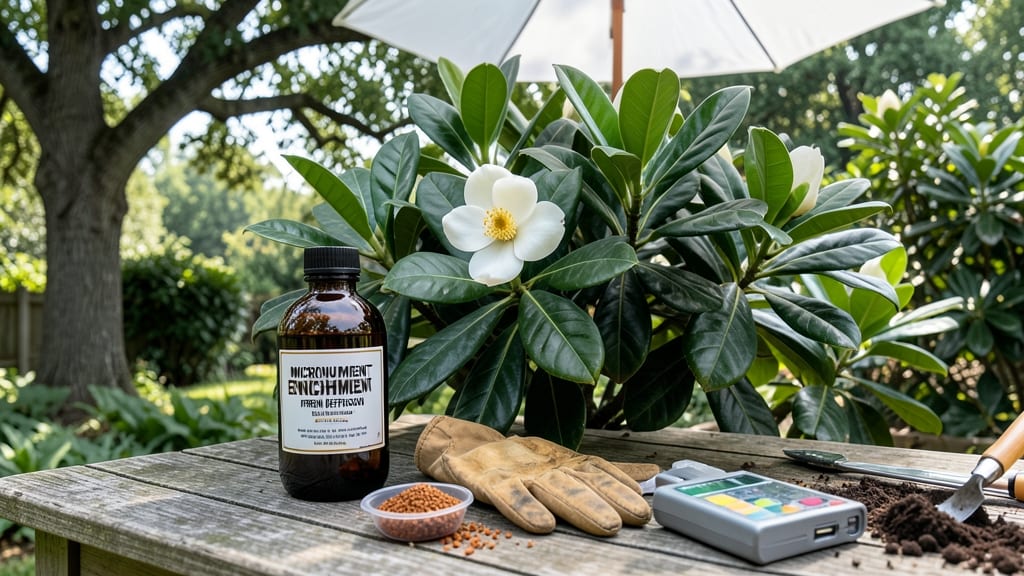
Gardenias need iron to prevent yellowing leaves and keep blooms vibrant 🌸 — without it, even the healthiest soil can’t support their lush growth.
Yellow leaves and weak blooms on your gardenias? Iron deficiency could be the silent culprit—fixing it could transform your plant from struggling to stunning in just weeks.
Most gardeners overlook iron because it’s hidden in the soil, but pH levels and organic matter play a huge role in how well your gardenias absorb it. A simple soil test or leaf check can reveal the problem before it’s too late.
In this guide, I’ll walk you through diagnosing iron deficiency, the best supplements to use, and natural fixes to keep your gardenias thriving year-round.
Why gardenias need iron: signs of deficiency & root causes
If your gardenias are showing yellow leaves with green veins, you're likely dealing with a classic iron deficiency. This common issue stunts growth and weakens blooms, but the good news is it's easily fixable once you understand the science behind it.
Gardenias thrive in acidic soil (pH 5.0-6.5), and iron becomes unavailable when soil pH rises above this range. The plant can't access the iron even if it's present, leading to those telltale yellow patches.
Iron is crucial for chlorophyll production, which gives leaves their green color. Without enough iron, your gardenia's leaves turn pale yellow while keeping the green veins—this is called interveinal chlorosis. New growth often shows symptoms first, and severe cases can cause leaf drop.
The irony? Your soil might have plenty of iron, but the plant can't absorb it due to alkaline soil conditions or poor organic matter.
🌱 Did You Know? Gardenias are heavy feeders that prefer acidic, well-draining soil. When soil pH exceeds 6.5, iron binds tightly to soil particles and becomes locked away from plant roots. This is why even well-fertilized gardenias can suffer from deficiency in alkaline or neutral soils.
| Symptom | Cause | Solution |
|---|---|---|
| Yellow leaves with green veins | High soil pH (>6.5) | Add sulfur or peat moss |
| Stunted new growth | Low organic matter | Apply compost or worm castings |
| Weak stems and sparse blooms | Iron unavailable in soil | Use chelated iron supplements |
| Brown leaf tips | Over-fertilization or drought | Water deeply and reduce fertilizer |
The root cause of iron deficiency in gardenias often comes down to three key factors: soil pH, organic matter levels, and micronutrient availability. Gardenias need acidic soil to unlock iron from the soil particles.
When pH rises, iron becomes insoluble and roots can't absorb it. Even if you've added iron supplements before, they may not work if your soil isn't acidic enough.
Another common culprit is compacted or poorly aerated soil. Gardenias need well-draining, loose soil to access nutrients efficiently. If your soil is heavy clay or lacks organic material, roots struggle to reach iron deposits.
This is why amending soil with compost or mulching with pine needles (which naturally acidify soil) can make a dramatic difference in just a few weeks.
Iron deficiency isn't just about yellow leaves—it also weakens your gardenia's immune system, making it more susceptible to pests and diseases. Healthy iron levels help the plant produce chlorophyll and energy for vibrant blooms and glossy foliage.
Without it, your gardenia may produce fewer flowers, and the ones it does make might be smaller and less fragrant.
Testing your soil's pH is the first step to diagnosing iron deficiency. A simple home soil test kit (available at garden centers) can tell you if your soil is too alkaline.
If your pH is above 6.5, you'll need to lower it gradually using sulfur, peat moss, or pine bark fines. Avoid quick fixes like lime, which will make the problem worse by raising the pH even higher.
Once you've adjusted the pH, the next step is ensuring your gardenia has accessible iron. Organic matter like compost or worm castings improves soil structure and helps roots absorb nutrients more efficiently.
For a quick fix, foliar sprays with chelated iron can provide immediate relief while you work on long-term soil improvements.
Remember, iron deficiency is preventable with proper soil care. Regularly mulching with acidic materials (like coffee grounds or oak leaves) and testing soil pH annually will keep your gardenias thriving.
With the right approach, you can turn those yellowing leaves into lush, green foliage and enjoy abundant, fragrant blooms all season long.
🌸
Best iron supplements for gardenias: chelated vs. organic options compared
When your gardenias show yellowing leaves with green veins, iron deficiency is often the culprit. The good news? There are effective iron supplements to revive your plants. But not all iron sources work equally well—some can even harm your soil health if misused.
Let’s break down the top options: ferrous sulfate, chelated iron, and iron EDTA, so you can choose the best for your gardenias.
Iron supplements vary in absorption rates, cost, and long-term effects. For example, ferrous sulfate is budget-friendly but can raise soil pH over time, making iron even harder for your gardenias to access.
On the other hand, chelated iron and iron EDTA are designed to stay available in the soil, but they come with higher price tags. Understanding these differences will help you pick the right supplement for your acid-loving gardenias.
Iron Supplement Comparison for Gardenias
Ferrous Sulfate
- Pros: Affordable, widely available, fast-acting
- Cons: Can raise soil pH, risk of over-application, may burn roots
Chelated Iron
- Pros: Slow-release, pH-stable, less risk of toxicity
- Cons: Expensive, requires precise dosing, limited shelf life
Iron EDTA
- Pros: Highly available, long-lasting, safe for organic gardens
- Cons: Costly, may deplete over time, less common in stores
For ferrous sulfate, I recommend applying it as a soil drench at 1 teaspoon per gallon of water, repeated every 4-6 weeks during the growing season. However, always water thoroughly after application to prevent root burn.
This method is best for quick fixes, but monitor your soil pH—if it rises above 6.5, switch to a chelated option.
If you prefer long-term solutions, chelated iron or iron EDTA are excellent choices. These supplements bind iron so it stays plant-available even in alkaline soils. Use them as a foliar spray (mix 1 tablespoon per gallon of water) or soil drench every 8-12 weeks.
The key advantage? They won’t alter soil chemistry like ferrous sulfate, making them safer for repeat use.
To minimize toxicity risks, always follow the label instructions and avoid overapplying. A simple test: If new growth appears dark green and vigorous within 2-4 weeks, you’re on the right track. If leaves turn brown or crispy, flush the soil with water to reduce excess iron.
Remember, prevention is key—maintain acidic soil (pH 5.0-6.5) and use organic matter like compost to improve iron availability naturally.
For gardeners who love organic gardening, iron EDTA is the gold standard. It’s derived from natural sources and won’t disrupt your eco-friendly routine. Pair it with compost tea or coffee grounds to boost iron uptake even further.
Your gardenias will thank you with glossy leaves and abundant blooms in no time!