
Pests
Top 10 garden pests you need to identify immediately
Spotting a tiny green worm on your roses or sticky residue on your tomato leaves can send any gardener into panic mode. The truth? Many garden pests leave distinctive clues—from chewed leaves to webbing—that reveal their identity faster than you think.
I’ve seen firsthand how misidentification leads to wasted time and damaged plants, so let’s cut through the confusion with this visual guide to the 10 most destructive garden pests.
Your first line of defense is visual identification. Pests like aphids and Japanese beetles have unique body shapes, colors, and damage patterns. For example, aphids cluster on new growth, while beetles skeletonize leaves in precise patterns.
Below, I’ve broken down the key characteristics you need to spot them early and act fast—before they ruin your harvest.
| Pest Name | Size & Color | Damage Pattern | Favorite Plants |
|---|---|---|---|
| Aphids | 1/8" long, green/black, pear-shaped | Sticky honeydew, curled leaves, stunted growth | Roses, tomatoes, peppers, beans |
| Japanese Beetles | 1/2" long, metallic green/blue, copper wings | Skeletonized leaves, chewed flower petals | Roses, grapes, linden trees, beans |
| Cabbage Worms | 1-1.5" long, green/white striped caterpillars | Large holes in leaves, frass (chewed debris) | Cabbage, broccoli, kale, Brussels sprouts |
| Tomato Hornworms | 2-4" long, green with white stripes, horn-like tail | Stripped stems, chewed foliage, large holes | Tomatoes, peppers, eggplants, potatoes |
| Slugs & Snails | 1-3" long, gray/brown, slimy trails | Irregular holes in leaves, chewed edges | Lettuce, hostas, strawberries, young seedlings |
| Spider Mites | 1/50" long, red/yellow, tiny spider-like | Fine webbing, speckled leaves, yellowing | Peppers, tomatoes, beans, roses |
| Whiteflies | 1/16" long, white, fly-like, waxy coating | Sticky residue, yellowing leaves, sooty mold | Tomatoes, peppers, poinsettias, sweet potatoes |
| Cutworms | 1-2" long, brown/gray, smooth, looped when disturbed | Severed stems at soil level, overnight damage | Tomatoes, beans, lettuce, young seedlings |
| Grasshoppers | 1-2" long, green/brown, powerful hind legs | Notched leaf edges, stripped stems, chewed flowers | Corn, grasses, beans, lettuce |
| Colorado Potato Beetles | 1/2" long, yellow/orange with black stripes, larvae are striped | Skeletonized leaves, chewed foliage, egg masses on undersides | Potatoes, tomatoes, eggplants, peppers |
Let’s start with aphids, those tiny green invaders that cluster like ants on the undersides of leaves. They leave behind a sticky honeydew that attracts ants and promotes sooty mold.
My roses once looked like they’d been sprayed with syrup—until I wiped them down and spotted the culprits. If you see curled or yellowing leaves, check for these pests immediately.
Next, watch for Japanese beetles, easily recognizable by their metallic green bodies and copper wings. These beetles don’t just chew leaves—they devour petals, turning roses into a skeleton in hours.
I once found my grapevine stripped bare overnight. The key? Look for chewed edges and skeletonized foliage—that’s their signature move.
Cabbage worms are another sneaky pest, often
How to tell beneficial insects vs. destructive pests at a glance
Spotting the difference between helpful predators and harmful pests in your garden can save your plants—and your sanity. Many gardeners panic at the sight of tiny creatures, but some are actually your allies. Ladybugs and lacewings devour aphids, while whiteflies and spider mites drain your plants' vitality.
Learning their behaviors and appearances helps you decide whether to welcome or evict them.
Start by observing body shape and movement patterns. Beneficial insects like lacewings have delicate, lacy wings and move gracefully, while pests like aphids cluster in sticky colonies. Ground beetles patrol soil surfaces at night, hunting slugs and grubs, but cutworms hide during the day and chew plant stems.
Pay attention to plant interactions—beneficials rarely harm foliage, while pests leave visible damage like holes or webbing.
Beneficial Insects vs. Destructive Pests
Beneficial Insects
- Ladybugs: Bright red/orange, eat aphids and mites
- Lacewings: Green/yellow, lace-like wings, hunt soft-bodied pests
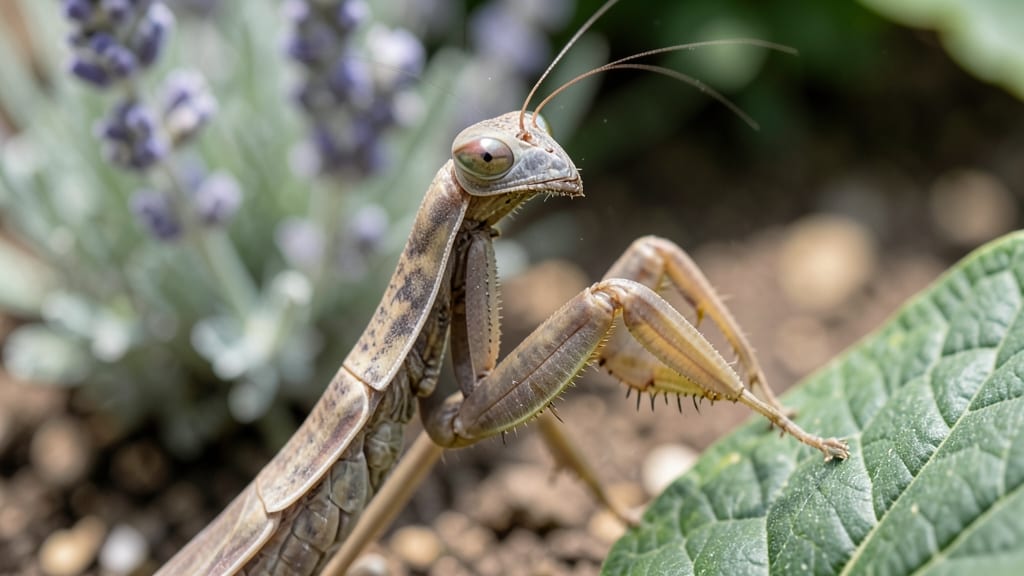
- Praying Mantis: Triangular head, still when hunting
- Hoverflies: Mimic bees, larvae eat aphids
- Ground Beetles: Shiny, fast, hunt slugs and caterpillars
Destructive Pests
- Aphids: Tiny, green/black, cluster on new growth
- Spider Mites: Red/yellow, webbing on undersides of leaves
- Whiteflies: White, fly when disturbed, cluster on leaf undersides
- Japanese Beetles: Metallic green/blue, skeletonize leaves
- Caterpillars: Hairy or smooth, chew holes in foliage
🌱 Pro Tip: Beneficials often have longer antennae and more segmented bodies than pests.
Check for damage patterns—this is your biggest clue. Beneficial insects leave clean, healthy plants behind, while pests create skeletonized leaves, sticky residue (honeydew), or wilting. For example, tomato hornworms leave large, irregular holes, but parasitic wasps (which lay eggs in caterpillars) are actually helping control their populations.
Always look for tiny white cocoons or mummified pests as signs of natural pest control.
Time of day matters too. Predatory insects like ground beetles and spiders are most active at dusk, while aphids and whiteflies thrive in warm, sunny conditions.
If you spot tiny eggs on leaf undersides, they’re likely pest eggs—remove them immediately. Beneficial eggs, like those of lacewings, are usually yellow and oval-shaped, attached to leaf surfaces.
Create a welcoming habitat for beneficials by adding native plants like dill, fennel, or marigolds. These attract hoverflies and ladybugs, which will naturally keep pest populations in check.
Avoid broad-spectrum pesticides—they kill both pests and predators. Instead, use neem oil or insecticidal soap sparingly, targeting only the pests you’ve identified.
When in doubt, magnify and observe. A hand lens or phone microscope reveals key details like leg structure or mouthparts. Pests often have piercing-sucking mouthparts, while predators have chewing mandibles.
Document what you see with a garden journal—noting colors, sizes, and behaviors helps you spot patterns and make informed decisions next season.