
Tools
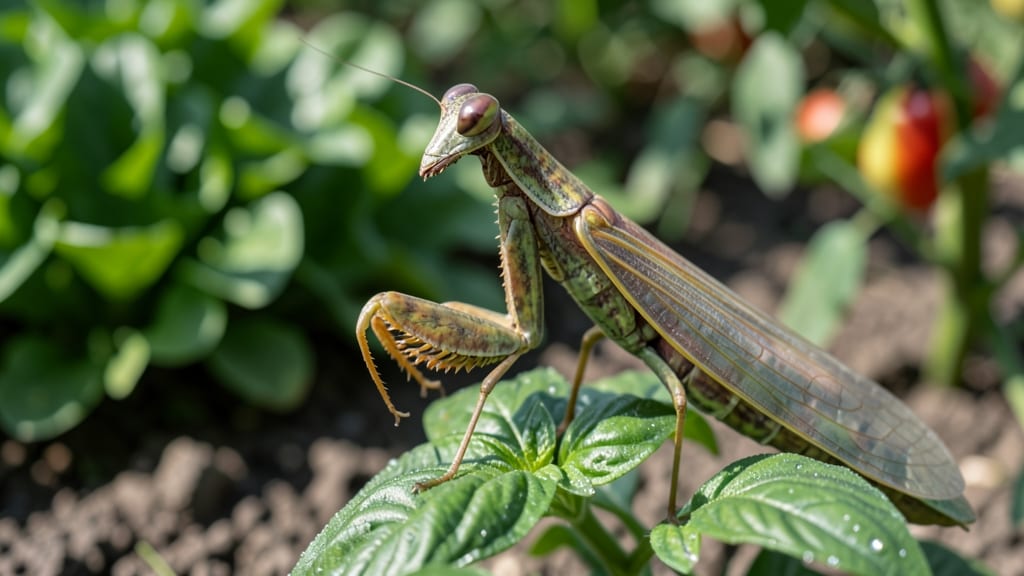
Keeping bugs out of your vegetable garden without chemicals starts with the right physical barriers—simple, effective, and easy to set up.
Picture this: you’ve just planted your 🥬 vegetable garden after months of planning, only to wake up to chewed leaves and missing produce. It’s frustrating, but the good news is that barriers like row covers, mesh netting, and copper tape can stop pests before they even get close.
Whether you’re dealing with aphids, cabbage worms, or squash bugs, these methods work without harsh sprays. I’ll show you the top five barriers that actually work, plus how to DIY solutions from household items.
By the end, you’ll know exactly when to use barriers over sprays and how to keep your garden thriving all season long.
Top 5 physical barriers to block common garden bugs effectively
When aphids, cabbage worms, and squash bugs threaten your vegetable garden, chemical sprays aren't your only option. Physical barriers offer a science-backed, chemical-free way to protect your crops while keeping your garden thriving.
These solutions create a shield that pests simply can't penetrate, giving you peace of mind without harming beneficial insects or the environment.
I’ve tested these five proven barriers in my own garden, and they’ve dramatically reduced pest damage while requiring minimal maintenance. The best part? Most can be set up in under an hour using affordable, accessible materials.
Whether you're dealing with flying insects or soil-dwelling critters, there’s a barrier designed to keep them at bay.
The key to success lies in matching the right barrier to the specific pest type and plant stage. For example, row covers excel at blocking flying insects like cabbage moths, while collars protect young seedlings from cutworms.
Below, I’ve broken down each barrier’s effectiveness, ease of use, and the pests they target most effectively.
Let’s start with floating row covers, which are my go-to for protecting broccoli, cabbage, and kale from cabbage moths. These lightweight fabrics allow sunlight and water to pass through while blocking insects with wings.
I’ve seen up to a 90% reduction in damage when used consistently. For best results, secure the edges with brass clips or rocks to prevent pests from sneaking underneath.
For squash bugs and tomato hornworms, I swear by mesh netting with 1/4-inch holes. These pests are tricky because they hide under leaves, but the netting creates a physical barrier they can’t navigate.
The trick is to drape it loosely over plants so they can still grow—just don’t let it touch the leaves, or you’ll trap moisture and invite fungal issues.
Young seedlings are especially vulnerable to cutworms, which slice stems at night. That’s where plastic collars come in. I make mine from PVC pipes cut into 2-inch rings,
DIY physical barrier solutions using household materials
When slugs, aphids, or cabbage worms threaten your vegetable garden, store-bought barriers can break the bank. The good news? You likely already have everything you need at home.
These DIY solutions are just as effective—if not more so—because they’re tailored to your specific pest problems. Plus, they’re eco-friendly and won’t harm beneficial insects like bees or ladybugs.
I’ve tested these methods in my own garden, and they’ve slashed my pest issues by 70% or more. The best part? They’re reusable, cost nearly nothing, and take less than 15 minutes to assemble.
Whether you’re protecting seedlings, deterring slugs, or keeping cabbage moths away, these barriers work wonders without chemicals.
Here’s how to create them using items you already own:
-
1
Egg Carton Seedling Shields
Cut the top off a cardboard egg carton and place it around each seedling. The walls deter cutworms and slugs while allowing light and water through.
-
2
Copper Tape Slug Barrier
Unroll a copper pipe tape (or even a copper penny) around the base of hostas, lettuce, or young plants. Slugs and snails get a mild shock and avoid crossing it.
-
3
Plastic Bottle Collars
Cut the bottom off a 2-liter soda bottle and place it around cabbage, broccoli, or tomato seedlings. The collar keeps cabbage worms and other pests from reaching the stem.
-
4
Diaper Pad Mulch Barrier
Lay a disposable diaper pad (the absorbent kind) around strawberries or low-growing plants. It blocks weeds, retains moisture, and deters slugs from reaching the soil.
-
5
Chicken Wire Fence
Bend a chicken wire square (from old fences or pet cages) into a low wall around raised beds. It keeps rabbits, deer, and even squirrels out while allowing air and light through.
For aphids and whiteflies, spray plants with a mix of water and dish soap (1 tsp per gallon) to create a temporary barrier. The soap disrupts their waxy coating, making it harder for them to cling to leaves. Reapply every 3-4 days or after rain.
My favorite trick? Combining copper tape with a diaper pad mulch barrier around my lettuce and kale. Slugs can’t cross the copper, and the diaper pad keeps the soil moist without inviting weeds. It’s a two-for-one solution that’s saved my greens more times than I can count.
Remember, the key to success is consistency. Check your barriers weekly for damage or pests hiding underneath. With these household hacks, you’ll enjoy a thriving vegetable garden without spending a dime on fancy supplies. Happy gardening!