
How To
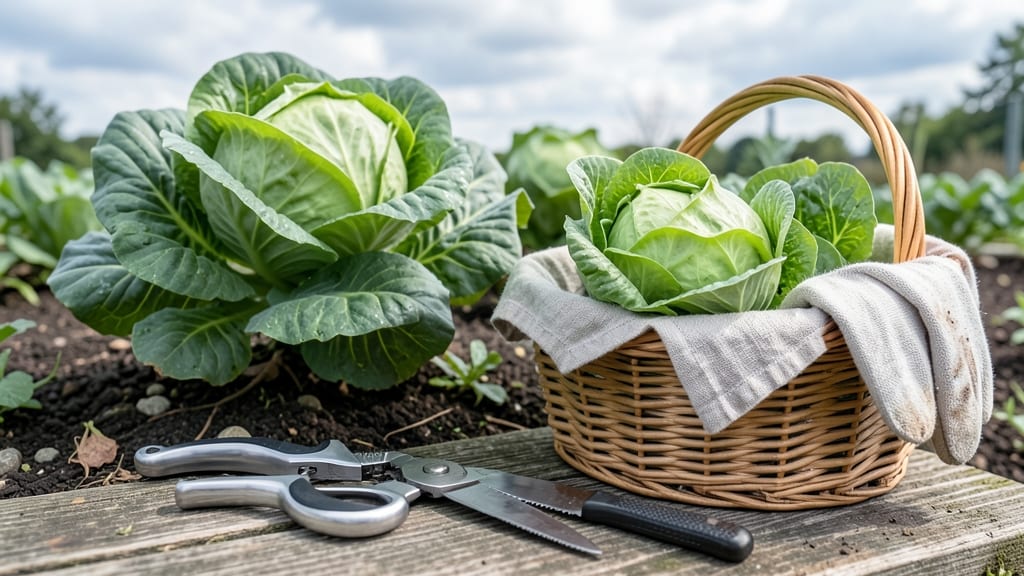
Harvesting lettuce from your garden at the right time ensures crisp, tender leaves every time—whether you're growing loose-leaf or head varieties.
There’s nothing like biting into a crisp, homegrown lettuce leaf fresh from your garden—but timing your harvest wrong can turn your perfect salad greens into bitter, tough messes.
Mastering the art of harvesting 🥬 at the ideal 4-6 inch size ensures tender, flavorful leaves every time, whether you’re growing butterhead, romaine, or loose-leaf varieties.
You don’t need fancy tools or years of experience—just a sharp pair of scissors, a clear morning, and a little patience. The key is knowing when to pick, how to do it without damaging the plant, and what to do with your harvest afterward to keep it fresh longer.
In this guide, I’ll walk you through the exact steps to harvest your lettuce at peak flavor, avoid common mistakes, and even encourage your plants to keep producing for weeks. Let’s get started!
When and how to harvest lettuce at the perfect 4-6 inch stage
Harvesting lettuce at the 4-6 inch stage is the sweet spot for flavor, tenderness, and regrowth potential. This window ensures your leaves are fully developed but still packed with that crisp, sweet taste gardeners love.
The leaf size and firmness are key indicators—waiting too long turns your greens bitter, while harvesting too early means sacrificing yield and flavor.
Different lettuce varieties mature at slightly different rates, but the 4-6 inch rule applies universally. For example, loose-leaf varieties like Black Seeded Simpson may reach this stage in just 30-40 days, while head lettuces like Buttercrunch take closer to 50-60 days.
Understanding these timelines helps you plan your harvest schedule for a steady supply of fresh greens.
The science behind this size lies in the plant's energy balance. At 4-6 inches, leaves have fully developed their chlorophyll production and nutrient storage, making them ideal for eating.
Harvesting at this stage also prevents the plant from diverting energy toward bolting (flowering), which happens when lettuce senses it's time to reproduce—usually triggered by heat or age.
Visual cues are your best friends when determining harvest readiness. Look for vibrant color (deep green for most varieties, rich red for red leaf types), firm texture, and leaves that are fully unfurled.
If you see the inner leaves starting to tighten or the outer leaves curling at the edges, it's time to act before the plant bolts or becomes tough.
Seasonal adjustments are crucial for maintaining that perfect harvest window. In cool spring and fall months, lettuce grows slower, so you might extend your harvest timeline slightly. Conversely, during warm summer months, growth accelerates, and you may need to harvest more frequently to prevent bolting.
Always check the back of your seed packet for variety-specific recommendations.
Here’s a quick reference to help you identify the perfect harvest moment across different lettuce types:
| Lettuce Type | Ideal Leaf Size | Days to Harvest | Harvest Tip |
|---|---|---|---|
| Loose-Leaf (e.g., Black Seeded Simpson) | 4-5 inches | 30-40 days | Pick outer leaves first for regrowth |
| Butterhead (e.g., Buttercrunch) | 5-6 inches (head diameter) | 50-60 days | Harvest whole head when fully formed |
| Romaine (e.g., Paris Island) | 6 inches (height) | 60-70 days | Cut at base for full regrowth |
| Leaf Lettuce (e.g., Oakleaf) | 4-5 inches (individual leaves) | 35-45 days | Harvest leaves as they reach size |
Timing your harvest isn’t just about leaf size—it’s also about the time of day. Early morning is the best time to harvest because the leaves are cool, crisp, and fully hydrated. Avoid harvesting in the midday heat, as the leaves can become wilted or bitter-tasting.
If you must harvest later in the day, store your lettuce in the fridge until you’re ready to use it.
For regrowth potential, focus on harvesting outer leaves first rather than cutting the entire plant. This technique, called cut-and-come-again harvesting, allows the inner leaves to continue growing. With proper care, you can extend your harvest season by 4-6 weeks beyond the initial harvest.
Just be sure to leave at least 2-3 inches of growth at the base to encourage new leaves.
If you’re growing lettuce in containers or small spaces, spacing becomes even more critical. Overcrowded plants compete for nutrients and light, leading to smaller, less flavorful leaves. Thin your seedlings to 8-12 inches apart (depending on the variety) to give each plant room to reach its full potential.
This spacing also improves air circulation, reducing the risk of fungal diseases like downy mildew.
Finally, don’t forget to sharpen your tools before harvesting. A clean, sharp pair of scissors or pruners makes the process easier and reduces damage to the plant. For loose-leaf varieties, simply pinch off individual leaves at the base.
For head lettuces, use a serrated knife to cut the entire head just above the soil line. Always disinfect your tools between plants to prevent the spread of disease.
Step-by-step lettuce harvesting techniques for maximum yield
Harvesting lettuce at the right time and using the proper techniques can mean the difference between a crisp, tender salad and a bitter, wilted mess. The key is to harvest when leaves reach 4-6 inches long, but the method you choose depends on your variety.
Loose-leaf lettuces like buttercrunch can be picked leaf by leaf, while romaine or iceberg heads should be cut whole for the best results.
Using the right tools also makes a huge difference. A sharp pair of scissors or a clean knife ensures clean cuts that heal faster, while dirty or dull tools can introduce diseases.
Avoid pulling leaves by hand unless you’re harvesting the entire plant, as this can damage the roots and stunt future growth.
How to Harvest Lettuce From Garden
-
Step 1: Check Leaf Maturity
Look for 4-6 inch leaves that are firm and vibrant. For loose-leaf varieties, pick outer leaves first to allow inner growth. -
Step 2: Choose Your Tool
Use a sharp knife or scissors for clean cuts. Avoid fingers to prevent bruising or tearing. -
Step 3: Cut for Regrowth
For loose-leaf types, cut 1/3 of the plant at soil level. For head lettuces, cut 1 inch above the base to encourage regrowth. -
Step 4: Harvest Whole Heads
For romaine or iceberg, twist the head gently or cut with a knife. Leave 1 inch of stem to prevent rot. -
Step 5: Store Properly
Rinse leaves in cool water, dry thoroughly, and store in a perforated plastic bag in the fridge for up to 5-7 days.
Timing your harvest is just as important as technique. In spring or fall, when temperatures are mild, lettuce grows quickly and can be harvested every 2-3 weeks for continuous yield.
During hot summer months, growth slows, so focus on harvesting mature leaves to avoid bolting—the process where lettuce sends up a flower stalk and turns bitter.
One common mistake is harvesting too late. If you wait until leaves are over 6 inches, they’ll start to bolt or develop tough cores. Instead, aim for 4-6 inches and pick consistently.
For loose-leaf varieties, this means harvesting outer leaves first, while head lettuces should be cut whole when fully mature.
After harvesting, give your lettuce a little post-harvest care to encourage regrowth. Water the base thoroughly and add a light nitrogen fertilizer if you plan to harvest again. This helps replenish nutrients and keeps your plants productive for weeks longer.
With these techniques, you’ll enjoy a steady supply of fresh, crisp lettuce all season long—no bitter surprises in sight! 🥬