
How To
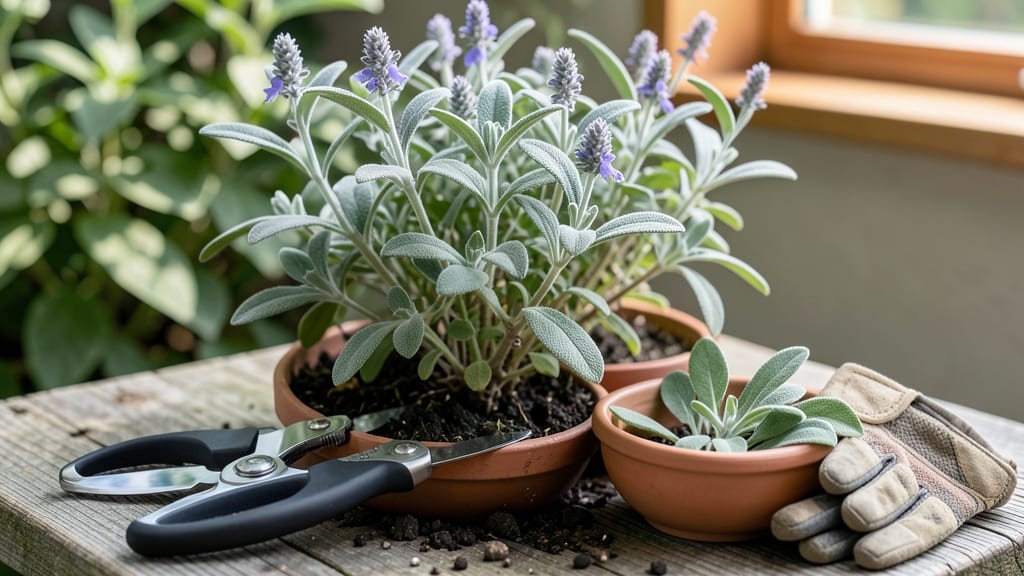
Harvesting garden sage at the right time and with the right technique ensures you get the most flavorful leaves for cooking and remedies.
Picture this: you’ve spent months nurturing your 🌿 sage, and now it’s time to reap the rewards—but if you wait too long, those aromatic leaves turn bitter. The key is cutting before flowering, when the leaves are dark green and fragrant, not woody or sparse.
This simple guide covers the best time to harvest, how to prune without harming your plant, and tips to dry or store your sage so it stays potent for months. Whether you’re growing sage in Zone 6a or a container, these steps will keep your harvest bountiful year after year.
From recognizing the perfect moment to handle your leaves gently, you’ll learn how to maximize yield without sacrificing future growth. Let’s dive into the easiest way to turn your garden into a flavor powerhouse.
Best time to harvest garden sage for maximum flavor
Timing your sage harvest is everything—cut too early, and the flavor will be weak; wait too long, and the leaves lose their potency. The peak harvest window arrives when your sage plant has matured enough to develop its signature earthy, pine-like aroma.
For most gardeners in USDA Zone 6a, this typically falls between late summer and early fall, roughly 90-120 days after planting.
First-year plants need patience—harvesting too aggressively can stunt growth. Focus on new growth rather than stripping the entire plant. Mature sage, however, can be harvested year-round in mild climates, though flavor peaks during its active growing season.
The key is balancing harvest frequency with plant health to ensure a steady supply of fragrant leaves.
Visual cues are your best guide: look for dark green, crisp leaves that release a strong scent when crushed. If your plant has 6-8 inches of new growth and the stems feel slightly woody but still flexible, it’s ready. Avoid harvesting when leaves are small or sparse, as this signals the plant isn’t mature enough for peak flavor.
Seasonal timing plays a critical role in flavor. In spring, focus on new growth after the last frost (April 15 in Zone 6a) to encourage bushiness. By late summer, your sage should be at its most potent, making this the ideal harvest window.
If you miss this window, don’t worry—fall harvests still yield flavorful leaves, though they may be slightly less aromatic.
One common mistake is harvesting before flowering. While this is ideal for flavor, it’s also crucial for plant health. Allowing a few flowers to form ensures seed production, which supports next year’s growth.
If you’re growing sage for culinary or medicinal use, prioritize harvesting leaves over flowers, but leave a few blooms to maintain the plant’s vigor.
For container-grown sage, timing is slightly different. Potted plants mature faster due to controlled conditions, so you may harvest as early as 60-90 days after planting.
Monitor growth closely—container plants often need more frequent pruning to prevent overcrowding. Always use clean, sharp pruning shears to avoid damaging stems and introducing disease.
If you’re harvesting sage for drying or long-term storage, aim to cut leaves in the morning after dew has evaporated. This maximizes their essential oil content, which carries the plant’s signature aroma.
Bundle stems and hang them upside down in a dry, dark, well-ventilated space for 1-2 weeks. Proper drying preserves flavor far better than fresh storage.
Over-harvesting can weaken your sage plant, especially in its first year. Never remove more than one-third of the plant at a time, and avoid cutting into old, woody stems.
Focus on outer leaves and new growth to encourage a fuller, healthier plant. With the right timing and care, your sage will reward you with years of aromatic harvests.
Pro tip: If your sage looks leggy or sparse, it’s a sign it needs more sunlight. Sage thrives in full sun (6+ hours daily), so relocate potted plants or thin nearby competitors if growth seems stunted. A well-lit, healthy plant will always produce the best-tasting leaves.
Step-by-step guide to properly prune sage plants
Pruning your sage plants isn't just about harvesting—it's a crucial step to keep them healthy, bushy, and productive. When done correctly, pruning encourages new growth while preventing woody stems.
I’ve learned that timing and technique make all the difference, especially if you want to avoid stressing the plant or sacrificing flavor.
Before you begin, gather your pruning shears and a small bowl to collect your harvest. Sterilize your tools with rubbing alcohol to prevent disease—this simple step can save your plant from infections.
I always prune on a dry, sunny morning when the leaves are fully hydrated, making them easier to handle and reducing stress on the plant.
How to Prune Sage for Optimal Growth
- Step 1: Identify new growth—look for stems with at least 6-8 inches of healthy leaves. These are the best candidates for pruning.
- Step 2: Use sharp pruning shears to cut just above a leaf node (the point where leaves grow). This encourages branching and denser foliage.
- Step 3: Avoid cutting into woody stems—focus on tender, green growth. If you must prune older wood, do so in early spring to stimulate new shoots.
- Step 4: Harvest leaves and stems before flowering. Once buds form, the plant redirects energy to seed production, weakening its flavor and growth potential.
- Step 5: Leave at least 1/3 of the plant unpruned to maintain its energy reserves. Over-pruning can stress sage, especially in hot climates.
- Step 6: After pruning, water the base deeply but lightly to help the plant recover. Avoid wetting the leaves to prevent fungal issues like powdery mildew.
Once you’ve finished pruning, don’t toss those stems! You can dry the leaves for later use or use the tender shoots fresh in dishes. I like to bundle the cuttings and hang them upside down in a dark, dry place for 1-2 weeks until crispy.
This method preserves the aromatic oils that give sage its signature flavor.
After pruning, monitor your sage for new shoots in about 2-3 weeks. If you notice leggy growth, it’s a sign to prune again lightly to maintain shape. Over time, your sage will become denser and more productive, rewarding you with a bountiful harvest year after year.
Remember, consistency is key. Regular pruning keeps your sage plants compact, encourages robust growth, and ensures you always have fresh, flavorful leaves on hand. With these techniques, your sage will thrive and become the star of your garden—and your kitchen!