
How To
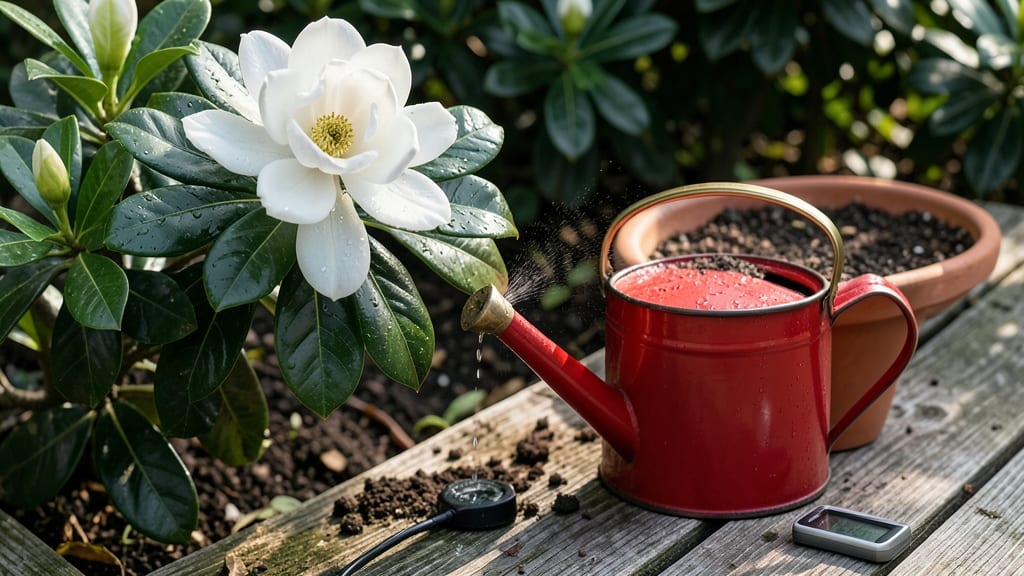
To water a gardenia properly, you’ll need a schedule that adapts to the seasons and your local climate—because what works in sweltering summer won’t cut it for cool winter months.
Struggling to keep your gardenia blooming beautifully? The secret isn’t just in the soil—it’s in mastering the watering schedule that matches your gardenia’s natural rhythms and seasonal needs.
Overwatering drowns the roots, while underwatering sends those glossy leaves yellowing faster than you can say 🌸. The key is striking that balance: deep, infrequent waterings that keep the soil moist but never soggy.
Below, I’ll walk you through a month-by-month guide, plus how to spot when your gardenia is thirsty (or drowning) and adjust on the fly.
Gardenias watering schedule by season: expert guidelines for healthy growth
Mastering your gardenia watering schedule is key to those fragrant blooms you love. These tropical shrubs thrive on consistency, but their needs shift dramatically with seasonal changes. Too much water causes root rot, while too little stunts growth and drops buds.
Let’s break down exactly how often to water gardenia month-by-month to keep your plant happy and blooming.
First, remember that gardenias hate soggy soil but also struggle in drought. The goal is deep, infrequent watering that mimics natural rainfall. In spring and summer, when growth is most active, your gardenia will drink up water like a thirsty traveler.
But in fall and winter, it enters a dormant phase where water needs drop significantly. Let’s dive into the specifics.
| Season | Monthly Watering Frequency | Key Conditions | Watering Tips |
|---|---|---|---|
| Spring (March-May) | Every 2-3 days (deep soak) | Warm days, active blooming, 60-70% humidity | Water at soil level, avoid wetting leaves |
| Summer (June-August) | Daily or every other day (deep watering) | High heat, 90°F+ temps, low humidity | Mulch heavily to retain moisture |
| Fall (September-November) | Every 4-5 days (reduce frequency) | Cooling temps, pre-bloom stage, 50-60% humidity | Test soil moisture before watering |
| Winter (December-February) | Bi-weekly (every 2 weeks) | Cold dormancy, 40-50°F temps, minimal growth | Water only if soil feels bone-dry 2" deep |
In spring, your gardenia is waking up from dormancy and preparing for its blooming season. This is when you’ll see the most new growth and bud formation. Water every 2-3 days but always check the top 2 inches of soil first.
If it’s dry, water deeply until it drains from the bottom. Avoid shallow watering, which encourages weak roots. Pro tip: Use a moisture meter for accuracy during this critical phase.
Summer is the most demanding season for gardenias. The intense heat and low humidity can dry out soil quickly, so you may need to water daily or every other day. The key is deep watering—aim for 1-2 gallons per plant each session.
Water in the early morning to prevent evaporation and fungal issues. If your gardenia’s leaves start curling or drooping, it’s a sign it’s thirsty. But watch for yellowing leaves too—this could mean overwatering.
As fall arrives, your gardenia begins its pre-dormancy phase. Reduce watering to every 4-5 days and monitor soil moisture closely. The cooler temperatures mean your plant won’t drink as much. This is also the time to prune dead blooms and fertilize lightly to prepare for next year’s growth.
If you notice buds forming, increase water slightly to support blooming, but avoid soggy conditions.
Winter is all about minimal care. Gardenias enter a dormant state and require very little water. Only water bi-weekly if the top 2 inches of soil feel completely dry. Overwatering in winter can lead to root rot, which is deadly for these tropical shrubs.
Keep your gardenia in a sheltered spot if you’re in a cold climate, and avoid watering if frost is forecasted.
One common mistake I see is watering on a schedule without checking soil moisture. Gardenias are sensitive to inconsistencies, so always test before watering. Stick your finger 2 inches deep—if it’s dry, water; if it’s moist, wait.
Another tip: Use rainwater or distilled water if your tap water is high in chlorine. Gardenias prefer soft water to avoid leaf burn. Finally, always water at the base of the plant and avoid wetting the leaves to prevent fungal diseases like powdery mildew.
Adjust your watering routine based on your local climate. If you live in a humid region, you may need to water less frequently. Conversely, in dry, arid climates, you’ll need to water more often.
Pay attention to your gardenia’s leaves and buds—they’ll tell you if you’re nailing the watering schedule or if it’s time to tweak your approach. With the right balance, your gardenia will reward you with lush foliage and intoxicating blooms all season long.
Signs your gardenia needs more or less water: what to watch for
Your gardenia’s leaves and stems speak volumes about its hydration needs. If the edges of leaves turn brown and crispy, it’s a clear cry for more water. This often happens when the top 1-2 inches of soil feel completely dry.
On the flip side, yellowing leaves or a mushy stem signal overwatering—roots suffocating from soggy soil. Pay attention to these visual cues before adjusting your routine.
Wilting can be tricky because it often means underwatering, but if the soil stays permanently soggy and the leaves droop despite moisture, you’re likely overwatering. Check the soil 1-2 inches down—if it’s damp, hold off on watering.
Gardenias thrive on consistent moisture but despise waterlogged conditions, which can lead to root rot and stunted growth.
💧 Pros & Cons of Watering Gardenias
✅ Water deeply 2-3x/week in spring/summer
✅ Check soil moisture before watering (top 1-2 inches)
✅ Water in morning to reduce evaporation
✅ Use well-draining soil (pH 5.0-6.5)
✅ Reduce watering in fall/winter (bi-weekly)
❌ Let soil dry out completely (leads to wilting)
❌ Water at night (increases fungal risk)
❌ Overwater in winter (roots rot easily)
❌ Use tap water with chlorine (use rainwater instead)
❌ Ignore yellow leaves (sign of overwatering)
For underwatered gardenias, focus on deep watering—soak the soil until water drains from the bottom of the pot or 6 inches deep in the ground. This encourages roots to grow deeper, making your plant more resilient.
If your gardenia’s blooms are small or sparse, it might be thirsty. A well-hydrated gardenia produces fragrant, lush blooms and glossy leaves.
If you’ve been overwatering, the first step is to stop immediately and let the top 2-3 inches of soil dry out. Repot the plant if the roots are black and mushy, trimming away any damaged sections with sterilized pruners.
Switch to a well-draining potting mix and ensure the pot has drainage holes. Over time, your gardenia will recover if the roots aren’t severely compromised.
Seasonal changes also affect watering needs. In summer heat, gardenias may need daily watering, while winter dormancy calls for bi-weekly watering or less. Adjust based on your climate and humidity levels.
For example, coastal areas with high humidity may require less frequent watering than dry inland regions.
Pro tip: Use your finger to test soil moisture. If it feels dry up to your first knuckle, it’s time to water. Pair this with a mulch layer (2-3 inches) to retain moisture and regulate soil temperature.
This simple habit can prevent both overwatering and underwatering while keeping your gardenia thriving year-round.