
Light Requirements
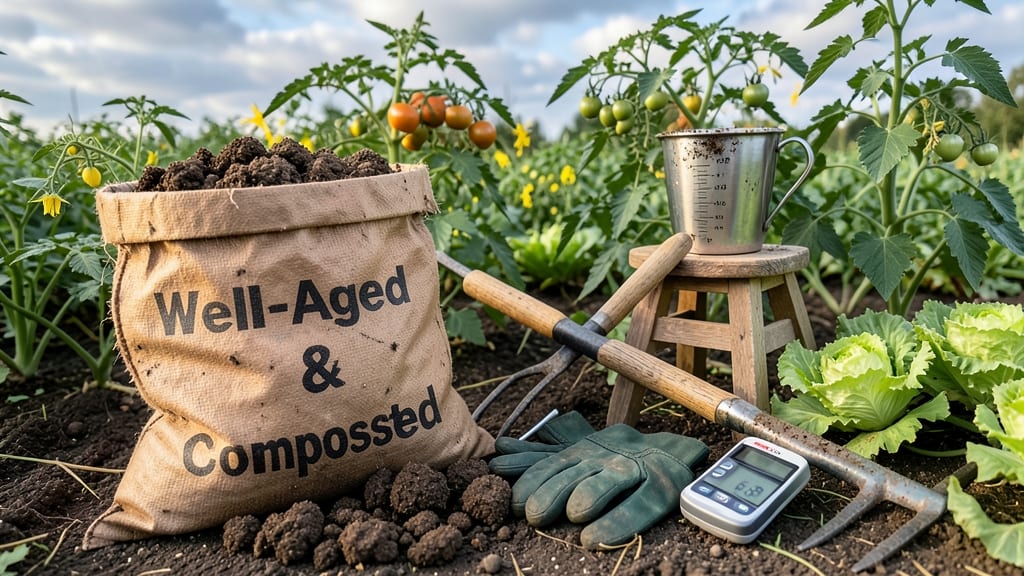
To determine how much cow manure for garden needs, use 1-2 inches of well-aged composted manure per square foot for most plants, or 10-20 pounds of fresh manure per 100 square feet. Always adjust based on plant type and composting duration to prevent root damage or nutrient excess.
Cow manure's nutrient value changes dramatically with aging—fresh manure is potent but risky, while composted manure delivers balanced nutrition safely. 🌱 For nitrogen-hungry veggies like tomatoes, I recommend 2-3 inches of composted manure per square foot in spring, while flowering plants often thrive with just 1 inch mixed into the top 6 inches of soil.
The key is patience: fresh manure can scorch roots, but properly composted manure (6-12 months old) releases nutrients gradually without harming plants.
Application timing matters too—spring is ideal for most vegetables, while fall works better for perennials. Always water thoroughly after spreading to help distribute nutrients evenly and reduce odor.
For raised beds, I like to layer 1-2 inches of composted manure between soil layers, mixing it in as I build the bed rather than applying it all at once.
💡 In This Article
- Cow Manure Nutrient Ratios by Plant Type and Aging
- Step-by-Step Guide to Applying Cow Manure in Gardens
Cow manure nutrient ratios by plant type and aging
Fresh cow manure has a nutrient ratio of roughly 1.5-2.5-1 (nitrogen-phosphorus-potassium or N-P-K), but these values drop significantly as it ages. The high nitrogen content in fresh manure (up to 2% by weight) makes it ideal for nitrogen-loving plants like leafy greens, corn, and tomatoes—but only when properly composted.
Fresh manure can burn roots because the nitrogen converts to ammonia, which is toxic in high concentrations. Composting for 6-12 months reduces nitrogen by half while increasing phosphorus and potassium availability, creating a more balanced 0.5-1.0-0.5 ratio perfect for flowering plants and root crops.
The aging process also transforms manure's texture and safety.
Fresh manure has a crumbly, moist consistency with a strong ammonia smell, while composted manure becomes darker, crumbly, and earthy-smelling—almost like rich garden soil. 🌱 This transformation occurs because microorganisms break down organic matter, converting unstable nitrogen compounds into stable forms plants can absorb.
For example, a 100-square-foot garden bed needs about 20 pounds of fresh manure (spread thinly) or just 10 pounds of composted manure to achieve similar nutrient levels without risking plant damage.
Different plants respond best to specific nutrient profiles. Nitrogen-heavy applications (like 3 inches of composted manure for leafy greens) promote lush foliage, while phosphorus-rich compost (from older manure) encourages root and flower development in plants like roses or peppers.
The key is matching the manure's aging stage to your plants' needs—young, fast-growing veggies tolerate fresh manure better than delicate perennials. Always test your soil first; a simple pH test kit ($10) can reveal if your soil needs more nitrogen (pH <6.5) or phosphorus (pH >7.0).
Over-application is a common mistake—too much nitrogen causes rapid, weak growth with pale leaves, while excess phosphorus can lead to stunted roots.
For example, applying 4+ inches of fresh manure in one go can raise soil nitrogen to dangerous levels (over 0.5% by weight), while composted manure rarely exceeds 0.2% nitrogen even when heavily applied. The solution?
Split applications: use 1 inch of composted manure in early spring, then top-dress with ½ inch more mid-season for continuous feeding.
Consider the physical properties too. Fresh manure's high moisture content (up to 70% water) can compact soil, reducing aeration, while composted manure improves soil structure by adding organic matter.
This is why gardeners often mix manure with 1-2 inches of straw or wood chips before composting—it balances moisture and speeds up decomposition. For container gardens, use 1 part composted manure to 3 parts potting soil to avoid nutrient overload in small volumes.
Seasonal adjustments matter: spring applications focus on nitrogen for early growth, while fall applications prioritize phosphorus and potassium for root development over winter.
For instance, planting garlic in fall benefits from 1 inch of composted manure mixed into the top 6 inches of soil—this provides steady nutrients as roots establish before dormancy. The composting process also reduces weed seeds and pathogens, making aged manure safer for edible gardens than fresh manure.
Pro tip: Store fresh manure in a covered pile with a 12-inch layer of straw or leaves to speed up composting while preventing odor and pests.
Turn the pile every 2-3 weeks to maintain aerobic conditions—this cuts composting time from 12 months to 3-4 months while ensuring safer, more stable nutrients for your garden. 💫