
Size
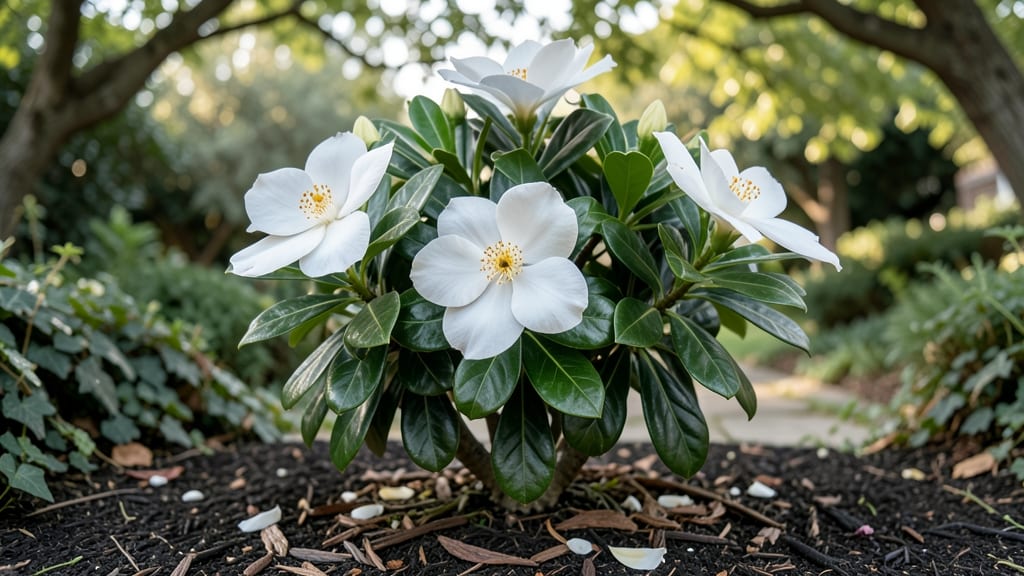
Gardenias grow anywhere from 2 feet to over 10 feet, depending on the variety and how you care for them 🌸 — and that range can change your whole planting plan.
If you're dreaming of fragrant gardenias but wondering whether they’ll fit in your garden, yard, or even a container, knowing their mature size is key. Some varieties stretch taller than a basketball hoop, while others stay compact like a shrub.
The difference often comes down to pruning, soil, and sunlight — not just genetics.
Most gardenias, like the classic Gardenia jasminoides, top out around 4–6 feet with proper care, but varieties like Gardenia radicans can climb to 15 feet if left unchecked. Meanwhile, dwarf types like Kleim’s Hardy stay under 3 feet, making them perfect for containers or small spaces.
Below, I’ll break down how to control their size — from spacing tips to pruning tricks — so you can get the perfect gardenia for your space, whether you want a fragrant hedge or a potted centerpiece.


Gardenia mature height by variety: from compact shrubs to towering trees
When planning your garden, knowing how big gardenias grow helps you choose the perfect variety for your space. Gardenias range from dwarf shrubs under 3 feet to towering trees reaching 15 feet, with growth habits varying from bushy to upright or even trailing.
The most popular species, Gardenia jasminoides, offers the widest variety of sizes, while other species like Gardenia augusta and Gardenia radicans bring unique shapes and heights to your landscape.
If you're working with limited space, compact gardenias like 'Kleim’s Hardy' stay under 3 feet tall, making them ideal for containers or small gardens. On the other hand, varieties like 'Radicans' can climb and spread, reaching heights of 10–15 feet if left unpruned.
Understanding these differences ensures you select a gardenia that fits your vision—whether you want a fragrant hedge, a statement shrub, or a climbing accent.
🌸 Visual Comparison: Imagine 'Kleim’s Hardy' as a bushy tabletop plant (3 feet) beside 'Radicans' growing like a small tree (15 feet) with vines cascading down a trellis. The contrast in size and form makes gardenias incredibly versatile for garden design.
| Variety | Mature Height (ft) | Spread (ft) | Growth Habit | Best For |
|---|---|---|---|---|
| 'Kleim’s Hardy' | 2–3 ft | 3–4 ft | Bushy, rounded | Containers, small gardens |
| 'Radicans' | 10–15 ft | 6–10 ft | Climbing, trailing | Trellises, large gardens |
| 'Veitchii' | 6–8 ft | 4–6 ft | Upright, pyramid-shaped | Hedges, privacy screens |
| 'Fortuniana' | 4–6 ft | 4–5 ft | Bushy, dense | Foundation planting |
| 'Augusta' | 8–12 ft | 6–8 ft | Tree-like, upright | Specimen plant, large yards |
The Gardenia jasminoides species alone offers over 100 cultivars, each with unique size and form. For example, 'Mystery' stays compact at 3–4 feet, perfect for container gardening, while 'Cleopatra' grows 6–8 feet tall, ideal for hedges or borders.
If you love fragrant blooms but limited space, 'Radicans' can be trained as a small tree or climbing vine, adding vertical interest to your garden.
For gardeners in warmer climates (USDA zones 8–11), larger varieties like 'Augusta' thrive as small trees, reaching heights of 8–12 feet. These varieties need ample space but reward you with large, showy flowers and a strong tropical aroma.
In cooler zones (7–8), dwarf or semi-dwarf varieties like 'Kleim’s Hardy' are hardier and easier to manage.
If you're growing gardenias in containers, size matters even more. A 5-gallon pot suits dwarf varieties like 'Kleim’s Hardy,' while 15–20 gallon containers are needed for larger types like 'Veitchii.'
Always choose a pot with drainage holes and use well-draining, acidic soil to prevent root rot, which can stunt growth.
Pruning plays a huge role in controlling gardenia size. Regular pruning in late winter or early spring encourages bushier growth and prevents leggy stems. For climbing varieties like 'Radicans', prune to train vines along trellises or fences, keeping them from sprawling uncontrollably.
Always use sterilized shears to avoid disease
How to control Gardenia size: pruning, spacing, and container care tips
Gardenias are stunning but can quickly outgrow their welcome if left unchecked. Most varieties reach 3–6 feet tall and wide, but with the right techniques, you can keep them smaller or encourage bushier growth.
The key is understanding pruning timing, proper spacing, and container constraints—all while avoiding common mistakes that stunt growth or invite pests.
Whether you're planting in the ground or a pot, controlling gardenia size starts with pruning at the right time. Cutting back too late or too aggressively can reduce flowering, while proper timing encourages lush, fragrant blooms.
For in-ground plants, spacing is everything—crowding leads to competition for nutrients and weakens plants. Containers add another layer of control but require special attention to drainage and root health.
⚠️ WARNING: Over-Pruning or Poor Soil pH Can Stunt Gardenias Gardenias thrive in acidic soil (pH 5.0–6.5)—if your soil is alkaline, growth slows dramatically. Prune too much in fall or winter, and you risk fewer blooms next season.
Even with perfect conditions, gardenias left unpruned can grow up to 15 feet tall in ideal climates (like Florida). Always use sterilized pruners to prevent disease spread.
For spring pruning, focus on shaping and removing dead wood right after flowering. Aim to cut back no more than 1/3 of the plant—this encourages new growth without stressing the shrub.
In fall, limit pruning to light shaping only, as gardenias need time to harden off before winter. Never prune in late summer, as this can delay blooming or leave plants vulnerable to frost damage.
When planting gardenias in the ground, space them 3–6 feet apart depending on the variety. Dwarf types like 'Kleim’s Hardy' stay under 3 feet, while standard varieties need full 6 feet to avoid overcrowding.
In containers, choose pots at least 18–24 inches wide and deep—smaller pots restrict root growth and limit size, but they also require more frequent watering to prevent root-bound stress.
Container gardeners must prioritize drainage holes and well-draining soil mixes (like 50% peat moss and 50% perlite). Root-bound gardenias show signs like yellowing leaves or roots circling the pot—repot every 2–3 years in spring to refresh soil and encourage growth.
Avoid plastic pots, which retain too much moisture and can rot roots.
To maximize blooms and control size, feed gardenias with an acid-loving fertilizer (10-10-10) every 4–6 weeks during spring and summer. Over-fertilizing leads to leafy growth at the expense of flowers.
Mulch around the base with pine bark or pine needles to maintain soil acidity and retain moisture—just keep mulch 3 inches away from the trunk to prevent rot.