
Tools
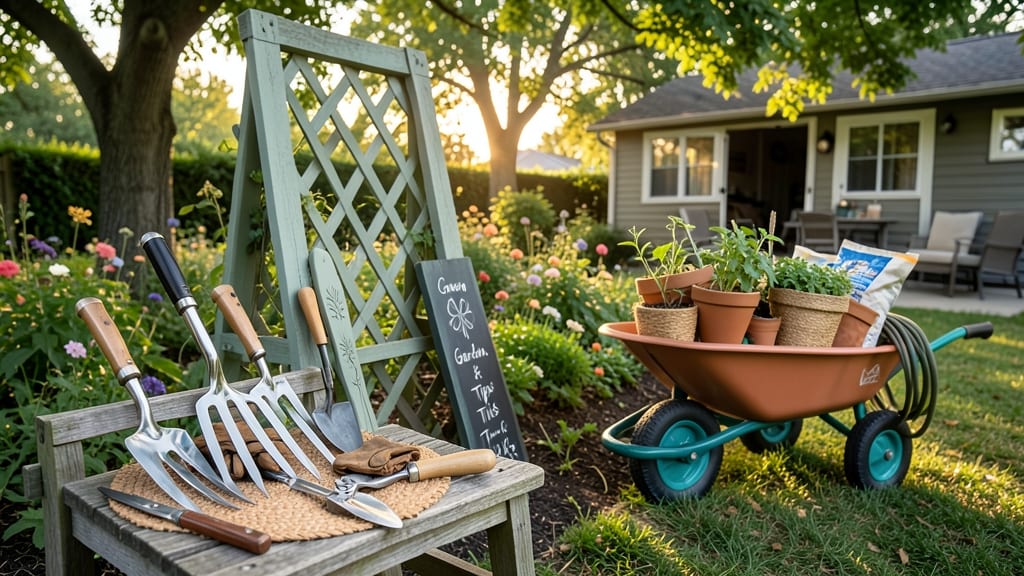
Home and garden shows provide practical DIY inspiration for transforming outdoor spaces through plant care, landscaping, and creative projects, combining expert advice with visually stunning transformations that work for any budget.
These shows stand out because they turn complex projects into achievable steps, whether you're tackling a small balcony garden or a full backyard overhaul. 🌿 The best episodes often feature before-and-after transformations that highlight cost-effective materials and clever design tricks—like using reclaimed wood or repurposed containers.
I’ve found that focusing on episodes centered around seasonal tasks (like spring pruning or fall mulching) keeps my garden looking fresh year-round without overwhelming my schedule.
What makes them especially valuable is how they cater to all skill levels. Beginners can learn foundational techniques like container gardening, while seasoned DIYers get deeper dives into advanced topics such as permaculture or water feature installation.
The visual storytelling element—seeing projects unfold in real time—makes it easier to visualize your own space transformations.
💡 In This Article
- How Expert Gardeners Design Low-Maintenance Landscapes
- Best Home and Garden Show Episodes by Skill Level
How expert gardeners design low-maintenance landscapes
Expert gardeners on home and garden shows rely on a few key design principles to create stunning landscapes that require minimal upkeep. The foundation starts with plant selection—choosing native species that thrive in your climate reduces watering needs by up to 70% compared to non-native plants.
For example, drought-resistant succulents like sedum or ornamental grasses need far less attention than thirsty annuals. 🌵 These plants also support local ecosystems, creating a self-sustaining environment that reduces manual labor.
The next critical element is hardscaping, which involves using materials like gravel, mulch, and pavers to define spaces without relying on live plants. A well-placed gravel path or a stone border not only adds structure but also minimizes soil erosion and weed growth.
Shows often feature projects where 60-70% of the landscape is hardscape, leaving only strategic plant placements to soften the look. For instance, a 3-inch layer of wood chips in garden beds suppresses weeds while retaining moisture—cutting watering time by nearly half.
Seasonal color theory is another game-changer. Experts use plants that bloom at different times, ensuring year-round visual interest without constant replanting. A classic example is pairing spring bulbs (like daffodils) with summer perennials (such as coneflowers) and fall shrubs (like hydrangeas).
This layered approach means you get continuous color with minimal effort, as each plant naturally takes over during its peak season. The key is to group plants by their sunlight and water needs, creating "plant communities" that thrive together.
Sustainability is woven into every design, often through techniques like rainwater harvesting or composting systems. Shows frequently showcase how a simple 55-gallon barrel can collect rainwater for irrigation, slashing outdoor water bills by 30-50%.
Mulching isn’t just for aesthetics—it regulates soil temperature, reducing the need for manual adjustments like extra watering or fertilizing. Even small touches, like using drip irrigation systems, save time and water while keeping plants healthy with precise delivery.
What sets these designs apart is their focus on functionality. A low-maintenance landscape might include raised beds for herbs (easy to access and control) or a ground cover like creeping thyme that crowds out weeds naturally. The goal is to create spaces that look polished with minimal daily intervention.
For instance, a 10x10-foot deck with built-in planters eliminates the need for separate garden beds, while the planters can be filled with self-watering soil mixes. This approach saves 2-3 hours of weekly maintenance compared to traditional in-ground gardens.
Finally, experts emphasize scaling solutions to fit any space. Even a tiny balcony can become a lush garden with vertical planters or hanging baskets, while larger yards benefit from defined zones that group similar plants together.
The result? A landscape that feels intentional, beautiful, and effortless—no green thumb required. 🌿 The best part? These principles work for urban apartments, suburban backyards, and rural estates alike.