
Advice
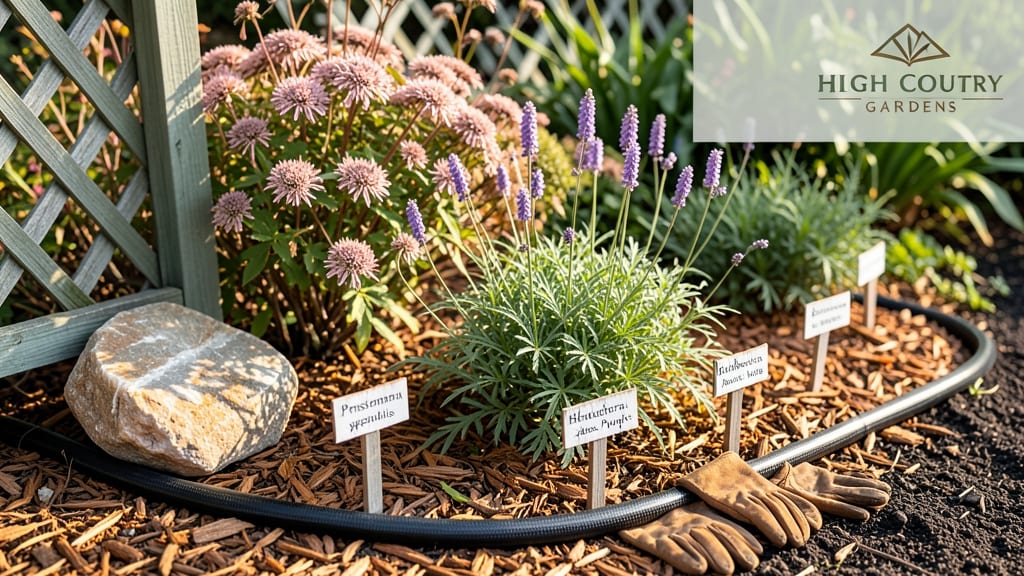
High Country Gardens Nursery specializes in drought-tolerant, native, and ornamental plants designed for high-altitude and arid climates, offering expert care guides, seasonal catalogs, and sustainable landscaping solutions for gardeners in challenging environments.
This Colorado-based nursery stands out for its carefully curated collection of plants that thrive where others struggle. 🌵 Their expertise in drought-resistant varieties—like Russian sage and yarrow—makes them a go-to for gardeners facing water restrictions or extreme temperatures.
What sets them apart is their focus on plants that require minimal care while delivering maximum beauty, often featuring deep purple blooms and silvery foliage that add texture to any landscape.
Their seasonal catalogs and online resources provide tailored advice for Rocky Mountain and Southwest regions, ensuring gardeners select plants that match their local climate challenges.
Whether you're dealing with alkaline soil, intense sun exposure, or freezing nights, their plant selection and care guides help create resilient gardens that flourish with less effort and fewer resources.
💡 In This Article
- Why High Country Gardens Plants Thrive in Harsh Climates
- How to Select and Care for High Country Gardens Plants
Why High Country Gardens plants thrive in harsh climates
High Country Gardens plants excel in extreme conditions thanks to their deep evolutionary adaptations. Many varieties, like Russian sage (Perovskia atriplicifolia), have developed thick, waxy leaves that reduce water loss through transpiration by up to 40% compared to non-native species.
Their extensive root systems—some reaching 6-8 feet deep—tap into underground moisture reservoirs, making them far more resilient during droughts than shallow-rooted alternatives. 🌵 The nursery's focus on native species ensures these plants are already perfectly suited to local climates, having evolved alongside harsh conditions for millennia.
The nursery's plant selection emphasizes xeriscaping principles, featuring species that thrive with minimal irrigation. For example, yarrow (Achillea) produces feathery foliage and flat-topped flowers while requiring only 10-15 gallons of water per year once established—about 80% less than traditional lawn grasses.
Their sedum varieties store water in succulent leaves, while ornamental grasses like blue grama have fine, drought-resistant blades that continue growing even when moisture is scarce. These adaptations allow gardens to flourish with 30-50% less water than conventional landscaping.
Cold hardiness is another key advantage. Many High Country Gardens plants survive temperatures down to -20°F or lower, thanks to specialized compounds that prevent cellular damage.
For instance, purple coneflower (Echinacea) produces antioxidants that protect its tissues during freeze-thaw cycles, while lamb's ear (Stachys byzantina) has dense, fuzzy leaves that insulate buds against frost.
This hardiness eliminates the need for winter protection in most high-altitude regions, reducing maintenance while extending the growing season. 💫
Soil efficiency plays a crucial role too. Many of their plants thrive in poor, rocky, or alkaline soils where other species would struggle.
For example, blanket flower (Gaillardia) grows well in soils with pH levels as high as 8.5, while penstemon species tolerate sandy, well-draining conditions that would dehydrate less adapted plants.
The nursery's soil amendment guides help gardeners improve native soil conditions without overworking the landscape, creating sustainable growing environments that require minimal fertilization.
What makes these adaptations especially valuable is their aesthetic appeal. Plants like beardtongue (Penstemon) and columbine (Aquilegia) offer vibrant blooms while requiring little water, proving that drought resistance doesn't mean sacrificing beauty.
The nursery's plant selection demonstrates how native species can create stunning, low-maintenance gardens that support local ecosystems while conserving resources. This combination of resilience and attractiveness is what makes their plants ideal for challenging environments. ✨
Consider this comparison: A traditional rose garden might require 20-30 gallons of water per week during summer, while a High Country Gardens perennial garden of the same size could thrive on just 5-10 gallons per week.
The difference comes from these botanical adaptations working together—deep roots, water-storing tissues, and cold-resistant compounds—that allow plants to focus energy on growth rather than survival. This is why their gardens not only endure but often flourish in conditions that would stress other plants.