
Tools
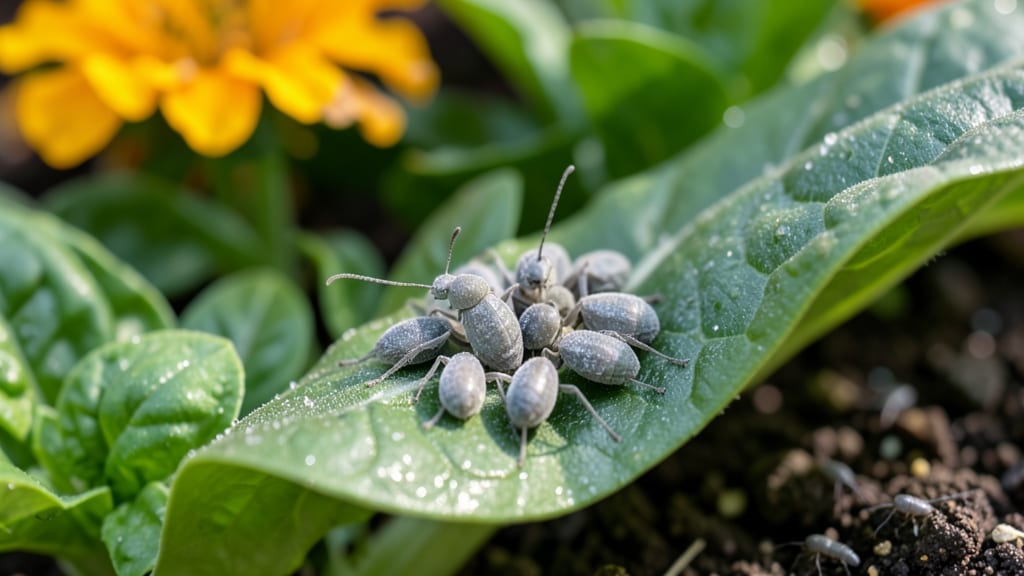
Gray bugs in your garden 🐜 can turn a thriving plot into a nightmare if you don’t act fast — and the worst part? Many of these tiny invaders look nearly identical until you know what to look for.
Picture this: You’ve spent all summer nurturing your tomato plants, only to notice leaves curling and a fine webbing between stems. Before you reach for chemical sprays, pause.
The first step in eradicating them is identifying whether you’re dealing with spider mites, whiteflies, or something even smaller like fungus gnats. Each requires a different approach.
This guide breaks down the 10 most common gray bugs plaguing gardens, their favorite plants, and the natural methods that actually work — from homemade sprays to beneficial insect allies. No more guessing, no more wasted time on ineffective fixes.
By the end, you’ll spot an infestation within minutes, choose the right remedy, and keep your garden thriving without resorting to harsh chemicals. Let’s get started.
10 Most common gray bugs in gardens and what they eat
Gray bugs in your garden aren’t just unsightly—they can devastate plants by feeding on sap, weakening roots, or spreading diseases. These 10 common gray pests often go unnoticed until your roses wilt or tomatoes shrivel.
Identifying them early is key to organic control before they multiply. Many thrive in shaded, damp areas, so knowing their host plants helps you target treatments effectively.
Most gray bugs share a similar lifecycle: eggs hatch into nymphs that mature into adults, often reproducing rapidly in warm weather. Some, like mealybugs, secrete honeydew that attracts ants, while others, like fungus gnats, lay eggs in moist soil.
Recognizing their early warning signs—such as sticky leaves or yellowing foliage—can save your garden from severe damage.