
Companion Plants
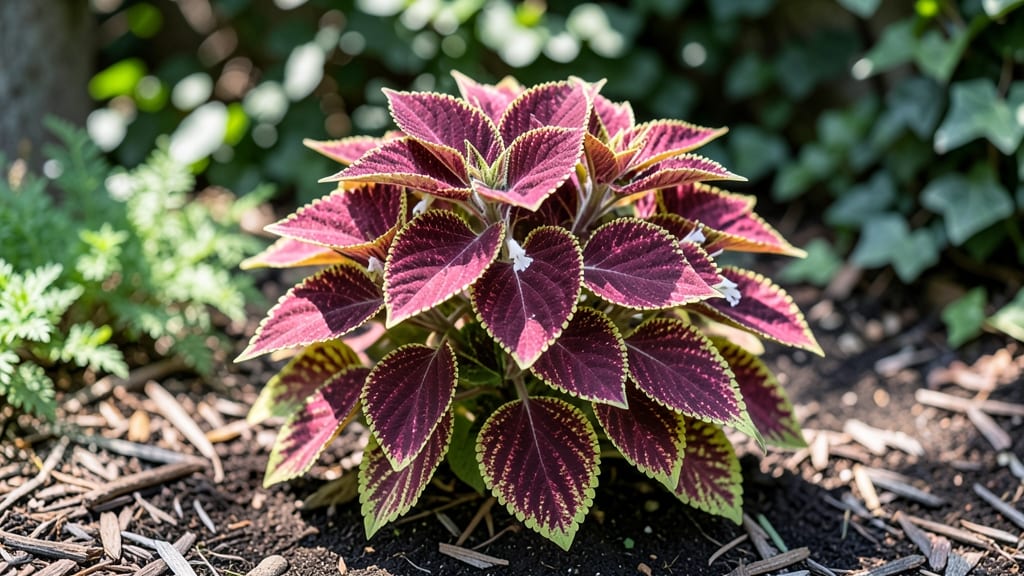
Good little garden plants like basil, thyme, and cherry tomatoes thrive in containers with minimal space, offering vibrant blooms, edible harvests, or fragrant foliage while requiring little maintenance. Choose fast-growing, compact varieties for balconies, patios, or windowsills to maximize small gardens without sacrificing beauty or function.
These tiny powerhouses are perfect for urban gardeners or anyone with limited space. 🌱 Their shallow root systems prevent soil depletion, and many—like parsley and marigolds—thrive in just 6-inch pots.
The key is selecting varieties bred for containers, such as bush beans or dwarf peppers, which grow upright rather than sprawling. I’ve found that grouping plants with similar water needs (like herbs together) cuts down on maintenance while keeping your mini garden lush and productive.
What’s even better is how these plants pack a punch in flavor and aesthetics. Nasturtiums, for example, add pops of color while repelling pests, while mint (if contained!) delivers intense aroma and calming benefits.
For beginners, lettuce and radishes grow in as little as 3 weeks, offering quick rewards. Pro tip: Use self-watering containers to keep roots happy without daily checks.
💡 In This Article
- Why These Compact Plants Excel in Containers
- Top 10 Container-Friendly Plants for Every Skill Level
Why these compact plants excel in containers
Compact garden plants thrive in containers because their root systems are naturally shallow and efficient. Most herbs like basil and thyme develop root zones only 6-12 inches deep, perfect for 5-7 inch pots.
This shallow growth prevents soil depletion and reduces water waste, since smaller containers dry out faster and require less frequent watering. 🌱 The trade-off? These plants focus energy on leaf or fruit production rather than root expansion, making them ideal for edible harvests in limited spaces.
Sunlight needs vary dramatically between types. Leafy greens like parsley or spinach prefer 4-6 hours of indirect light daily, while tomatoes and peppers demand 6-8 hours of direct sun.
The key is matching plant needs to your container's location—south-facing windowsills work for sun-lovers, while north-facing spots suit shade-tolerant herbs. Containers also let you rotate plants seasonally to optimize light exposure, something impossible with in-ground planting.
Growth habits prevent overcrowding naturally. Compact varieties like bush beans grow upright to 18-24 inches tall but only spread 12 inches wide, while trailing plants such as nasturtiums can spill elegantly over container edges without invading neighbors.
This vertical growth maximizes space efficiency, allowing you to stack containers or use tiered planters to create a lush, multi-level display. Even root-bound plants rarely outgrow their containers because their growth cycles are naturally shorter than in-ground varieties.
Soil volume adaptation is where these plants truly shine. Most compact varieties thrive in just 1-2 gallons of soil, far less than their in-ground counterparts. The trick is using high-quality potting mix with added perlite or vermiculite to improve drainage and aeration.
Without proper drainage, roots suffocate and rot—especially in heavy clay pots. I've found that fabric grow bags work exceptionally well for herbs, as they allow roots to breathe while preventing soil compaction.
Water efficiency is another major advantage. Containers dry out faster than garden beds, which means roots develop near the surface where moisture is most available. This adaptation makes them drought-tolerant once established, though they'll still need regular watering during their active growing phase.
The 6-inch rule applies here: water when the top 6 inches of soil feels dry to the touch. Overwatering is the #1 killer of container plants, so always check moisture levels before adding more water.
Finally, these plants adapt beautifully to temperature fluctuations. Most compact varieties can handle the 10-25°F daily temperature swings common on patios and balconies, though tender herbs like basil may need winter protection.
Their smaller size means they warm up and cool down faster than larger plants, making them more resilient to sudden weather changes. This adaptability is why they're perfect for urban gardeners who might not have climate-controlled growing spaces.