
Tools
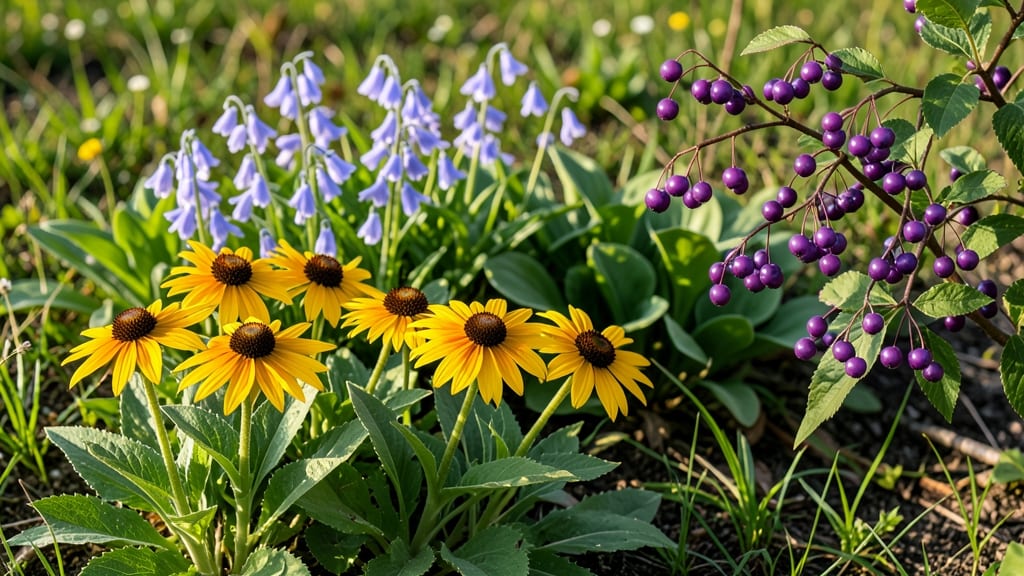
Gardening in Virginia thrives in USDA zones 4 through 8, with last spring frost dates ranging from mid-March in the mountains to late April in coastal areas. Frost-free seasons last 140–240 days, dictating ideal planting windows for annuals, perennials, and vegetables like tomatoes and peppers.
Virginia's diverse geography creates unique gardening opportunities across its three main regions. The mountainous areas in the west (zone 4-5) offer longer cool seasons, perfect for hardy crops like Brussels sprouts and cabbage, while the Piedmont (zone 6-7) balances both cool and warm-season plants.
Coastal Tidewater (zone 7-8) enjoys extended growing periods, ideal for heat-loving vegetables like sweet potatoes and collard greens. 🌱 Understanding these regional differences helps you choose the right plants and timing for your specific location—whether you're in the Shenandoah Valley or Hampton Roads.
For best results, I recommend checking your exact frost dates using the Virginia Cooperative Extension's frost calculator, as microclimates can shift planting windows by weeks. Many gardeners also use soil thermometers to confirm when to plant warm-season crops like peppers—waiting until soil reaches 60°F ensures strong root development.
The key is matching your plant's needs with your local climate patterns.
💡 In This Article
- Virginia’s Planting Zones and Microclimates Explained
- Virginia Gardening Calendar: When to Plant by Region
Virginia’s planting zones and microclimates explained
Virginia’s gardening success hinges on its three distinct regions, each with unique USDA zones shaped by elevation and coastal influences. The mountainous west (zones 4-5) experiences earlier frosts—often by mid-October—while the Piedmont (zones 6-7) enjoys moderate climates.
Coastal Tidewater (zones 7-8) benefits from ocean currents that delay spring frosts until late April. These variations mean a tomato planted in Roanoke (zone 6) may thrive, while the same plant in Norfolk (zone 8) could face heat stress if not timed perfectly. 🌿
The elevation effect is dramatic: every 1,000 feet gain in altitude drops temperatures by 3-5°F, creating microclimates within short distances. For example, Blacksburg (zone 6) sits at 2,000 feet, while nearby Radford (zone 7) at 1,500 feet has warmer springs.
This explains why cold-hardy crops like kale (zone 3-9) flourish in the mountains, while heat-loving okra (zone 5-10) thrives only in Tidewater’s longer growing season. The coastal breeze also moderates temperatures, allowing peppers to ripen 2-3 weeks earlier than inland.
Soil temperature plays a critical role in plant survival. Most seeds need soil at 50-60°F to germinate, but warm-season crops like squash require 70°F. In Virginia’s Piedmont, soil may reach 60°F by early April, while mountain regions lag until May.
This is why gardeners in zone 5 often use row covers to extend the season—protecting plants from late frosts that can kill tender seedlings. The key is matching your planting schedule to your specific zone’s soil warming patterns.
Microclimates created by bodies of water or urban heat islands add another layer. A garden near Chesapeake Bay might experience 10°F warmer nights than inland areas just 5 miles away. This is why herbs like basil (which bolts in heat) may thrive near water but struggle inland.
Similarly, stone fruit trees need 200-500 chill hours below 45°F—plenty in the mountains but insufficient in zone 7 without careful variety selection.
For practical application, use the Virginia Cooperative Extension’s Planting Date Calculator to input your zip code. This tool accounts for local frost patterns and soil temperatures, giving precise planting windows.
For example, in Richmond (zone 7b), you can plant lettuce as early as February 15, while cucumbers shouldn’t go in until May 1.
The calculator also shows first frost dates, helping you plan fall crops like broccoli (which needs 60-90 days before frost) or spinach (tolerates light frosts).
What most gardeners overlook is how wind exposure affects frost risk. Open fields lose heat faster than sheltered gardens, creating 3-5°F colder conditions. This is why windbreaks of evergreens or fences can extend your growing season by 2-3 weeks.
In zone 6, this might mean the difference between successful tomato harvests and frost-damaged plants. Pay attention to your garden’s specific exposure when selecting cold-sensitive varieties.