
Tools
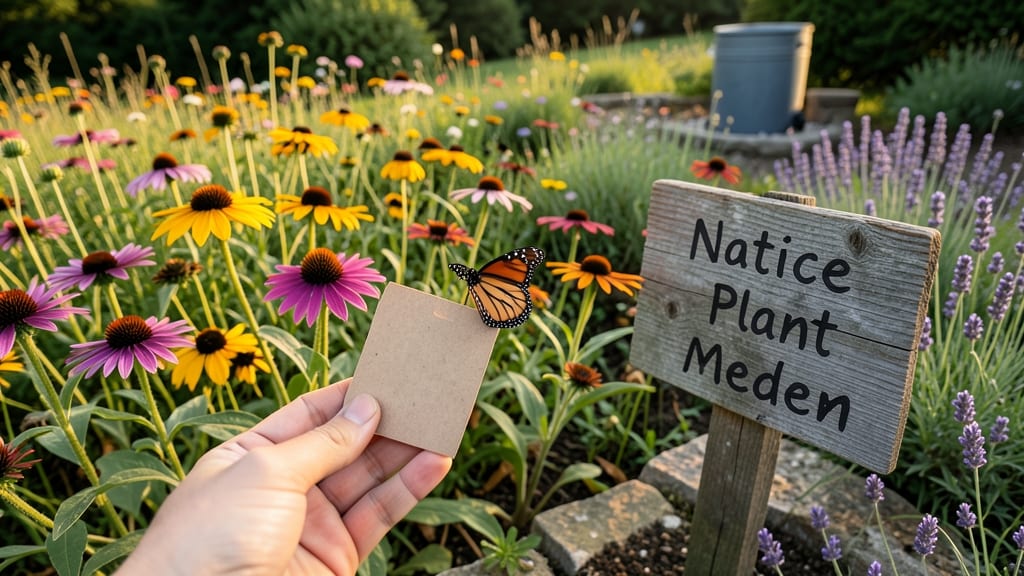
Gardening and the environment go hand-in-hand by cleaning the air through oxygen production, capturing carbon to fight climate change, and creating wildlife-friendly spaces that reduce chemical pollution compared to traditional grass lawns.
Plants act like natural air filters, absorbing carbon dioxide and releasing oxygen during photosynthesis. 🌿 A single mature tree can produce enough oxygen for two people annually, while gardens with diverse plantings create microclimates that support pollinators and reduce urban heat.
The soil itself becomes a carbon sink as organic matter breaks down, locking away more carbon than conventional lawns. What's more, native plants require fewer resources like water and pesticides, making them the ultimate eco-friendly choice for any green space.
Beyond the science, gardening transforms neighborhoods into living ecosystems. Native plant gardens support local wildlife while reducing water usage by up to 50% compared to non-native species. Even small urban gardens can help filter rainwater, preventing pollutants from entering waterways.
The key is choosing plants that thrive in your climate and avoiding chemical treatments that harm both soil and wildlife.
💡 In This Article
- How Plants Clean the Air and Soil
- Eco-Friendly Gardening Practices for Maximum Impact
How plants clean the air and soil
Plants perform a remarkable dual role in environmental purification through photosynthesis and phytoremediation.
During photosynthesis, a mature leaf converts 48 grams of carbon dioxide into 38 grams of oxygen daily while producing glucose for growth. 🌱 Trees like oak or maple, with broad canopies, can process 48 pounds of CO₂ annually—equivalent to driving 9,600 miles in a gas-powered car.
Meanwhile, deep-rooted plants like willows or sunflowers act as natural filters, absorbing heavy metals (lead, arsenic) and chemicals (pesticides, hydrocarbons) from contaminated soil through phytoremediation.
The soil itself becomes a carbon storage powerhouse when organic matter decomposes.
A well-maintained garden can sequester 1-2 tons of carbon per acre annually—more than conventional lawns, which often lose soil carbon due to mowing and synthetic fertilizers. 🌿 Root systems also prevent erosion by anchoring soil particles, reducing sediment runoff that pollutes waterways.
For example, a 100-square-foot garden with diverse plantings can stabilize 500 pounds of soil annually compared to just 100 pounds from a monoculture grass lawn.
Different plant types contribute uniquely to air purification.
Fast-growing species like bamboo or sunflowers excel at CO₂ absorption, while evergreens (pine, spruce) provide year-round filtration. 🌳 A 100-foot-tall pine tree can produce enough oxygen for four people daily, while a 5-foot-tall shrub like boxwood cleans 150 pounds of air pollutants annually.
The key is biodiversity—gardens with 15+ plant species create microclimates that support beneficial microbes, further enhancing soil health and air quality.
Urban gardens play a crucial role in mitigating pollution. Studies show that green roofs reduce urban heat by 30-40°F while filtering 90% of airborne particulates. 🏙️ Even small containers with herbs or flowers can improve indoor air quality by removing volatile organic compounds (VOCs) like formaldehyde.
The science is clear: plants don't just decorate—they actively detoxify our surroundings through biological and chemical processes.
For maximum impact, prioritize native species that evolved in your region. These plants require 30-50% less water than non-natives and support local pollinators, creating a self-sustaining ecosystem. 🐝 Their deep roots also access groundwater, reducing runoff that carries pollutants into rivers and lakes.
The result? A garden that thrives while actively healing the environment.
Consider this: A 1-acre forest absorbs 2.6 tons of CO₂ yearly, but a well-designed home garden with diverse plantings can sequester 1-3 tons per acre annually—proving that even small spaces make a difference.
The combination of oxygen production, carbon storage, and pollution absorption makes gardening one of nature's most effective cleanup tools.