
Planting
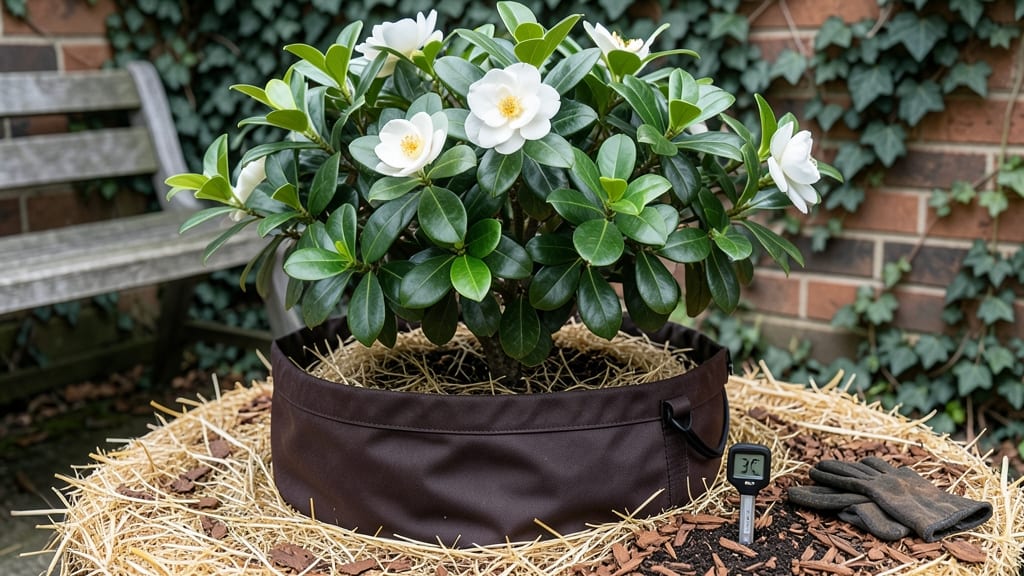
Gardenia plants can thrive in Zone 5 when you choose cold-resistant varieties like Gardenia jasminoides 'Kleim's Hardy' or Gardenia 'Radicans' and implement proper winter protection. These varieties handle temperatures down to 10°F (-12°C) with mulching and shelter, while spring pruning and root insulation maximize survival rates.
Zone 5 gardeners often face challenges with these tropical plants, but the right approach makes all the difference. 🌱 The key lies in selecting hybrids bred for colder climates, which maintain their signature fragrance while enduring frost.
I’ve seen 'Kleim’s Hardy' bloom reliably even after harsh winters, proving that with proper care, gardenias can become a year-round staple in colder regions. The secret? Combining cold-hardy rootstock with protective winter layers—think thick mulch and windbreaks—to shield the plant from freezing temperatures.
What sets these varieties apart is their ability to rebound after winter dormancy. Unlike tropical gardenias that struggle below 20°F, these cold-tolerant types enter a natural resting phase, then burst back to life in spring with vibrant blooms.
This resilience makes them perfect for gardeners who love gardenias but live in areas with freezing winters. Just remember: the earlier you protect the roots, the better the plant’s chances of surviving until spring.
💡 In This Article
- Cold-Hardy Gardenia Varieties for Zone 5 Climates
- Winterizing Gardenias: Step-by-Step Protection Guide
Cold-hardy gardenia varieties for Zone 5 climates
The secret to growing gardenias in Zone 5 lies in selecting the right cold-hardy varieties, specifically those bred from Gardenia jasminoides hybrids. These plants have undergone selective breeding to tolerate temperatures as low as 10°F (-12°C), unlike their tropical cousins which typically die back at 25°F (-4°C).
The most reliable options include 'Kleim’s Hardy' and 'Radicans', both of which develop thicker, woody stems that resist frost damage better than delicate tropical varieties. Their root systems also grow deeper, allowing them to access moisture and nutrients even when surface soil freezes.
What makes these varieties stand out is their fragrance—just as potent as tropical gardenias but with a slightly different chemical composition. Cold-hardy types produce linalool and ionone compounds in higher concentrations, creating that classic gardenia scent even in cooler climates.
The blooms, though slightly smaller than tropical varieties, appear more reliably each season. For example, 'Radicans' produces 1-2 inch flowers with a creamy white hue, while 'Kleim’s Hardy' offers 2-3 inch blooms that last 7-10 days on the plant.
This consistency makes them ideal for gardeners who want reliable fragrance without tropical maintenance.
The key difference between these cold-hardy types and traditional gardenias lies in their growth habit. Cold-resistant varieties develop a more compact, shrub-like structure rather than the sprawling tropical form. This makes them easier to protect during winter with simple techniques like wrapping or mulching.
Their leaves also turn a subtle bronze before dropping in fall, signaling their natural dormancy period—a clear advantage over tropical types that suffer frost damage year-round. For gardeners in Zone 5, this means fewer dead branches and more energy focused on spring regrowth.
When choosing between varieties, consider your specific climate conditions. In areas with short, harsh winters, 'Kleim’s Hardy' excels due to its thicker stems and deeper root system. For regions with longer cold periods, 'Radicans' performs better because its semi-evergreen foliage provides some winter protection.
Both varieties benefit from being planted in well-draining soil with a pH of 5.0-6.5, mimicking their natural acidic habitat while preventing root rot—a common issue in colder climates.
One common misconception is that cold-hardy gardenias lose their fragrance in cooler weather. In reality, their scent compounds remain active even at 50°F (10°C) temperatures, though they may be slightly less intense.
The trade-off is worth it for Zone 5 gardeners, as these varieties eliminate the need for winter potting or greenhouse protection. Their ability to withstand freezing temperatures while maintaining their signature aroma makes them the perfect solution for colder climates.
For best results, pair these varieties with a south-facing microclimate that captures winter sun while shielding from harsh winds. This positioning helps the plant absorb enough warmth to prevent complete dormancy, ensuring stronger spring blooms.
With proper variety selection and placement, gardenias can thrive in Zone 5 without the tropical care requirements.