
Planting
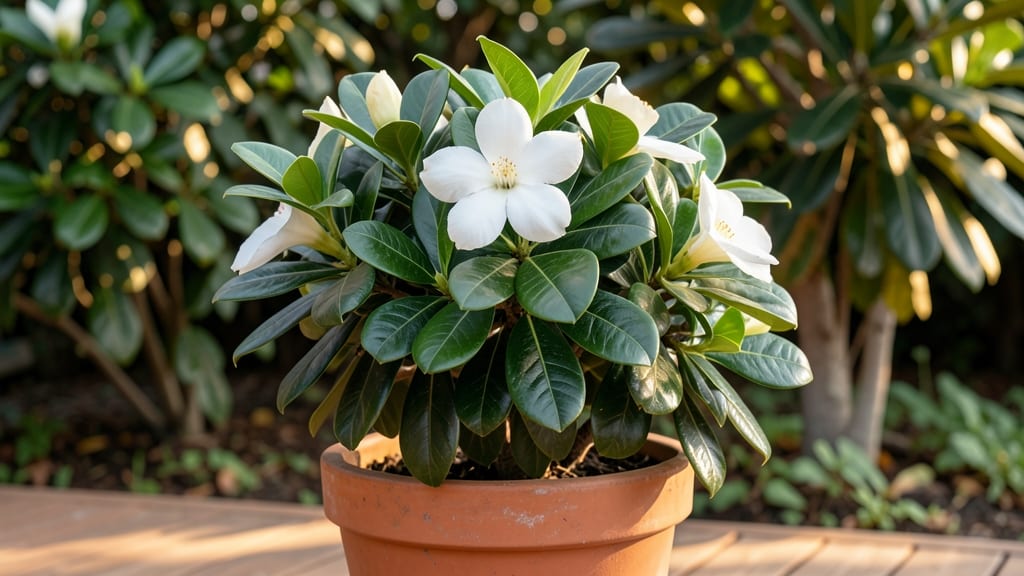
A gardenia plant size can range from a compact 1.5 feet dwarf variety to a towering 6-foot shrub, depending on the cultivar and growing conditions.
If you’ve ever wondered whether your garden has room for a gardenia—or how to prune one without stunting its growth—understanding gardenia plant size is the key to success.
These fragrant beauties grow at different rates, with some reaching maturity in just 2-3 years while others take 5+ years to fully develop. The right spacing and pruning can even encourage a standard 4-6 ft gardenia to stay smaller, making it perfect for containers or small yards.
Below, I’ll break down the exact mature sizes of popular varieties, how sunlight and soil affect growth, and the best spacing for healthy airflow—so you can choose the perfect gardenia for your space.

Gardenia plant size by variety: mature heights & spread explained
Choosing the right gardenia variety depends heavily on your space and care level. Gardenia jasminoides, the most common type, grows as a shrub or small tree with mature heights ranging from 3 to 6 feet.
Meanwhile, Gardenia augusta stays more compact, typically reaching 2 to 4 feet. Understanding these differences helps you plan spacing, pruning, and even container sizes for your garden layout.
Growth rates vary by climate—warmer zones (8-10) see faster growth, while cooler zones (6-7) may experience slower development.
For example, a standard gardenia in Florida might reach 5 feet in 3 years, while one in California could take 5 years to mature. Sunlight exposure also plays a role, with partial shade promoting bushier growth and more blooms.
Here’s a quick reference for mature sizes and growth habits of popular gardenia varieties:
If you’re growing gardenias in containers, choose dwarf varieties like 'Kleim's Hardy' to avoid root-bound issues. Standard varieties need at least 15-gallon pots to accommodate their root systems. Pruning container gardenias is critical—overcrowded roots lead to stunted growth and fewer blooms.
Always use well-draining soil and repot every 2–3 years.
For garden beds, space standard gardenias 4–6 feet apart to allow airflow and reduce disease risk. Dwarf varieties can be planted 2–3 feet apart. Overcrowding leads to yellowing leaves and fewer flowers, so plan your layout carefully.
In humid climates, increase spacing to 5–7 feet to prevent fungal issues like powdery mildew.
Pruning strategies vary by size. Dwarf gardenias need minimal pruning—just light shaping in late winter to remove dead wood. Standard varieties benefit from post-bloom pruning to encourage new growth and more flowers the following season.
Avoid heavy pruning in fall or winter, as this can stimulate tender new growth that won’t survive cold snaps.
Climate also affects growth habits. In Zone 10, gardenias grow year-round, reaching maturity faster. In Zone 7, they may go semi-dormant in winter, slowing growth until spring. Fertilizing with acid-loving plant food in early spring and summer helps maintain vigorous growth.
Skip fertilizing in fall and winter to avoid overstimulating the plant before dormancy.
One common
How to space gardenias for optimal growth & airflow
Proper spacing is the secret to keeping your gardenias healthy and blooming abundantly. These tropical shrubs need room to breathe—literally! Crowded gardenias suffer from poor air circulation, leading to fungal diseases like powdery mildew and reduced flowering.
The right spacing ensures each plant gets enough nutrients, sunlight, and airflow to thrive.
Gardenias grow as dense, multi-branched shrubs, so their mature size dictates spacing needs. A standard Gardenia jasminoides can reach 4-6 feet tall and wide, while dwarf varieties stay compact at 1.5-2.5 feet.
Ignoring these guidelines often results in leggy growth, weak stems, and fewer blooms—so let’s get this right from the start!
When planning your garden layout, think beyond just the plant’s width. Gardenias have a rounded, bushy habit, so their spread equals their height at maturity. For example, a 4-foot-tall gardenia will also spread 4 feet wide, creating a 8-foot diameter when planted in a group.
This is critical for hedge planting or creating a fragrant living wall.
If you’re planting gardenias in a row or hedge**, leave 2–3 feet of space between rows to allow for future growth and easy maintenance. This spacing also makes it simpler to prune and harvest blooms without damaging neighboring plants.
For example, my 6-foot gardenia hedge thrives with 3 feet between rows and 4 feet between plants—perfect for trimming into shape twice a year.
Don’t forget about airflow in containers! Even potted gardenias need space. Place pots 12–18 inches apart to allow air to circulate between leaves, reducing humidity and fungal risks.
I’ve seen gardeners cram multiple gardenias into a single large pot, but this leads to stunted growth and fewer blooms. One plant per container is the golden rule!
Proper spacing isn’t just about aesthetics—it’s about plant health and longevity. Gardenias with enough room produce more flowers, stronger stems, and fewer pests. Start with the right spacing now, and you’ll enjoy years of fragrant blooms with minimal effort. Happy planting! 🌿✂️🌸