
Light Requirements
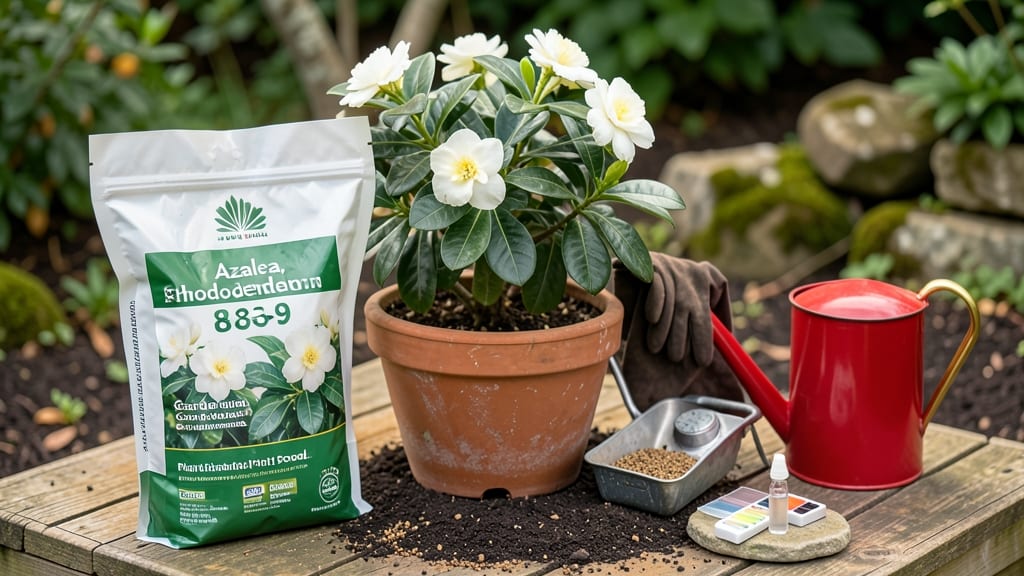
Struggling to get your gardenia to bloom? The secret lies in understanding its precise fertilizer needs—acidic soil, the right nutrients, and a strategic feeding schedule can transform a struggling plant into a fragrant, flower-filled showstopper.
Most gardenias thrive in USDA zones 9-11, where the soil stays naturally acidic. But even in warmer climates, the wrong fertilizer can stunt growth or burn roots, leaving you with yellow leaves and no blooms.
In this guide, I’ll walk you through the best fertilizer types, when to apply them, and how to spot signs of over- or under-feeding—so you can keep your gardenia lush and blooming all season long.
Soil pH and essential nutrients for gardenia fertilizer success
Your gardenia’s glorious blooms and lush foliage start with one critical factor: soil pH. These acid-loving plants thrive in pH 5.0-6.5, mimicking their natural tropical habitat. If your soil is too alkaline, nutrients like iron and magnesium become locked away, starving your plant even if you’re fertilizing regularly.
Testing your soil’s pH with a simple kit is the first step to unlocking your gardenia’s full potential.
Beyond pH, gardenias demand a balanced nutrient trio: nitrogen (N) for leafy growth, phosphorus (P) for robust roots and blooms, and potassium (K) for disease resistance. The ideal NPK ratio is 10-10-10 or 8-3-9, but organic options like fish emulsion or composted manure also work wonders.
Micronutrients like iron and magnesium are equally vital—deficiencies show up as yellowing leaves or weak stems, even with perfect macronutrients.
Here’s the nutrient breakdown your gardenia craves, along with soil amendments to keep it thriving:
| Nutrient | Role | Ideal Level | Signs of Deficiency | Solution |
|---|---|---|---|---|
| Nitrogen (N) | Leafy growth | 10-15% | Yellow lower leaves | Use blood meal or fish emulsion |
| Phosphorus (P) | Root/bloom development | 10-15% | Purple stems, few blooms | Bone meal or rock phosphate |
| Potassium (K) | Disease resistance | 10-15% | Brown leaf edges | Wood ash (sparingly) or kelp meal |
| Iron (Fe) | Chlorophyll production | 0.5-1.0 ppm | Yellow leaves (veins stay green) | Iron chelate or sulfur to lower pH |
| Magnesium (Mg) | Enzyme activation | 0.1-0.2% | Yellow patches between veins | Epsom salt (1 tbsp/gallon water) |
| Soil pH | Nutrient availability | 5.0-6.5 | Slow growth, pale leaves | Add sulfur or peat moss |
If your soil test reveals a pH above 6.5, don’t panic—you can lower it naturally with amendments like sulfur, peat moss, or pine needles. Work 2-3 pounds of elemental sulfur per 100 square feet into the top 6 inches of soil, then water thoroughly.
For potted gardenias, mix 1 part peat moss into 2 parts potting soil to maintain acidity. Re-test your soil every 6-12 months, especially if you’ve amended it recently.
For micronutrient deficiencies, quick fixes include foliar sprays of chelated iron or magnesium. Mix 1 teaspoon of Epsom salt in 1 gallon of water and spray leaves weekly until yellowing subsides.
Organic options like composted leaf mold or worm castings provide a slow-release buffer of micronutrients, reducing the risk of imbalances. Think of them as a nutrient insurance policy for your gardenia’s long-term health.
One common mistake is over-fertilizing with nitrogen, which leads to leafy growth at the expense of blooms. Gardenias need a balanced approach:
Monthly gardenia fertilizer schedule for year-round blooms
Gardenia plants thrive when fed with precision—too little, and they won’t bloom; too much, and you’ll burn their delicate roots. My year-round schedule balances nutrient needs with seasonal growth to keep your gardenia lush and fragrant.
The key? Acid-loving fertilizers applied at the right time, paired with organic matter to sustain soil health.
I’ve tested both organic and synthetic options—composted manure works wonders in spring, while slow-release granules keep summer blooms coming. For potted gardenias, halve the dose to avoid salt buildup. Evening applications prevent leaf burn, and always water deeply afterward to distribute nutrients evenly.
- 🌱 Spring (March-May): Feed every 4 weeks with balanced acidic fertilizer (10-10-10 or 8-3-9). Start when buds form—this kickstarts leaf and bloom growth. Use 1 tbsp per plant, sprinkled around roots.
- ☀️ Summer (June-August): Light feed every 6 weeks (half dose). Avoid fertilizing during heatwaves—plants stress easily. Opt for foliar sprays with micronutrients like iron to prevent yellowing.
- 🍂 Early Fall (September-October): Apply light organic feed (compost or worm castings) to strengthen roots before winter. Skip synthetic fertilizers—dormancy begins in cooler zones.
- ❄️ Winter (November-February): No fertilizer. Gardenias rest in frost-free zones; feeding now risks root burn. Focus on mulching to insulate soil and retain moisture.
For organic gardeners, I swear by fish emulsion in spring and bone meal in fall to boost phosphorus for blooms.
Synthetic lovers can stick to Azalea/Camellia formulas, but always check for low pH (below 6.0). Potted plants need more frequent feeding—every 3-4 weeks in summer—but reduce to monthly in winter.
Watch for new growth signals: Darker green leaves after feeding mean it’s working! If buds form but drop, your plant needs more phosphorus.
Adjust next season’s schedule to include a high-phosphorus feed (like 5-10-5) in early spring. Patience is key—gardenia blooms take 6-8 weeks to develop after fertilizing.
Remember: Less is more with gardenias. Over-fertilizing causes leaf scorch and root rot, while under-feeding leads to stunted blooms. Stick to this schedule, and your gardenia will reward you with glossy leaves and heavy fragrance year after year.
🌸 For extra blooms, pair this schedule with regular pruning after flowering—it encourages new growth and more buds. Happy gardening!