
Tools
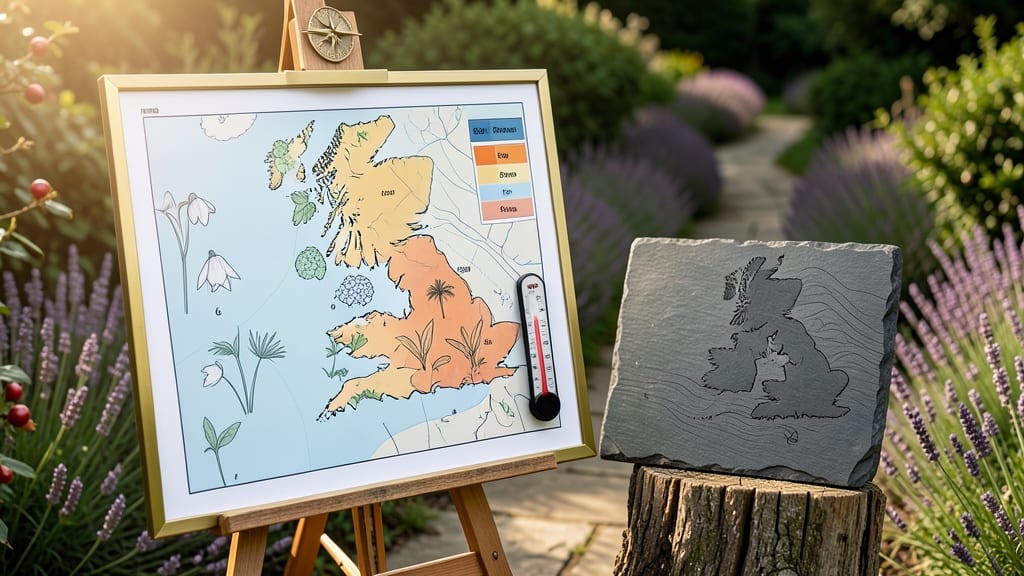
UK garden zones categorize regions by frost risk and climate conditions, helping gardeners select hardy plants suited to their area’s coldest winter temperatures, typically ranging from Zone 1 (harshest) to Zone 10 (mildest).
Understanding these zones is like having a climate cheat sheet for your garden.
The system divides the UK into 10 distinct areas based on average minimum winter temperatures, with Zone 1 experiencing the harshest freezes and Zone 10 enjoying the mildest winters. 🌿 For example, a Zone 8 garden in London can handle plants like lavender and rosemary that might struggle in Zone 3 areas like Scotland.
The official UK map makes it easy to find your specific zone, and many plant labels now include zone recommendations to simplify selection.
What's clever about this system is how it accounts for microclimates—urban areas might be slightly warmer than rural spots just a few miles away.
This means even within the same zone, you might need to adjust your planting choices based on whether your garden sits in full sun, shade, or near a heat-retaining wall.
I always check the Royal Horticultural Society's zone map before buying new perennials, as it's the most reliable source for accurate regional data.
💡 In This Article
- How UK Garden Zones Determine Plant Hardiness
- Choosing Plants for Your UK Garden Zone
How UK garden zones determine plant hardiness
The UK's garden zone system is rooted in scientific climate data, specifically the average minimum winter temperatures recorded over decades.
Each zone represents a 5°F (2.8°C) increment in cold tolerance, with Zone 1 enduring winters as low as -25°F (-31.7°C) in places like the Scottish Highlands, while Zone 10 rarely drops below 5°F (-15°C) in Cornwall or the Isles of Scilly.
This temperature threshold determines which plants can survive winter dormancy without irreversible damage.
What makes this system so precise is how it accounts for frost-free periods. For instance, Zone 3 areas (like much of England) typically have 120-150 frost-free days annually, while Zone 8 (southern England) enjoys 180-210 days.
These variations explain why a Zone 3 garden thrives with hardy perennials like heather (Calluna vulgaris) that can tolerate 3 weeks of sub-zero temperatures, whereas a Zone 8 garden might struggle with the same plant if exposed to prolonged cold snaps.
The science behind this is plant physiology: cell membranes in cold-hardy species contain protective proteins that prevent ice crystal formation in their tissues.
Matching plants to their zone isn't just about survival—it's about performance. A plant in the wrong zone might survive winter but fail to flower, fruit, or grow vigorously.
For example, clematis (a popular climbing plant) needs Zone 4-9 conditions to thrive, while winter jasmine (Jasminum nudiflorum) can handle Zone 5-8. The key is understanding each plant's hardiness range and ensuring it aligns with your zone's coldest temperatures.
This is why nurseries now include zone recommendations on plant labels—a game-changer for gardeners.
Microclimates add another layer of complexity. Even within the same zone, a north-facing wall can create a Zone 1 cooler microclimate compared to a south-facing border, which might be Zone 2 warmer.
This is why I always test soil temperatures in my own garden during winter—using a soil thermometer to confirm whether my microclimate matches the official zone designation.
For example, a sheltered urban garden in Zone 7 might safely grow Zone 8 plants like bougainvillea in containers, which can be moved indoors during frosts.
Seasonal variations also play a role. Coastal areas in Zone 9 (like parts of Wales) experience milder winters due to the Gulf Stream's moderating influence, while inland Zone 9 areas (like Devon) can see sharper temperature drops.
This is why the UK's zone map includes both coastal and inland designations—a critical distinction for gardeners. Understanding these nuances helps explain why a Zone 9 coastal garden might support olive trees (Olea europaea), while an inland Zone 9 garden would need to protect them with winter wraps.
Here's what most gardeners overlook: the Royal Horticultural Society's zone map updates every 10 years to reflect climate change trends. Since the 1990s, many areas have shifted one zone warmer due to rising average temperatures.
This means plants that were once considered Zone 8 may now thrive in Zone 7 gardens. Always verify the latest map before making planting decisions—outdated information can lead to costly mistakes. 🌱