
Pests
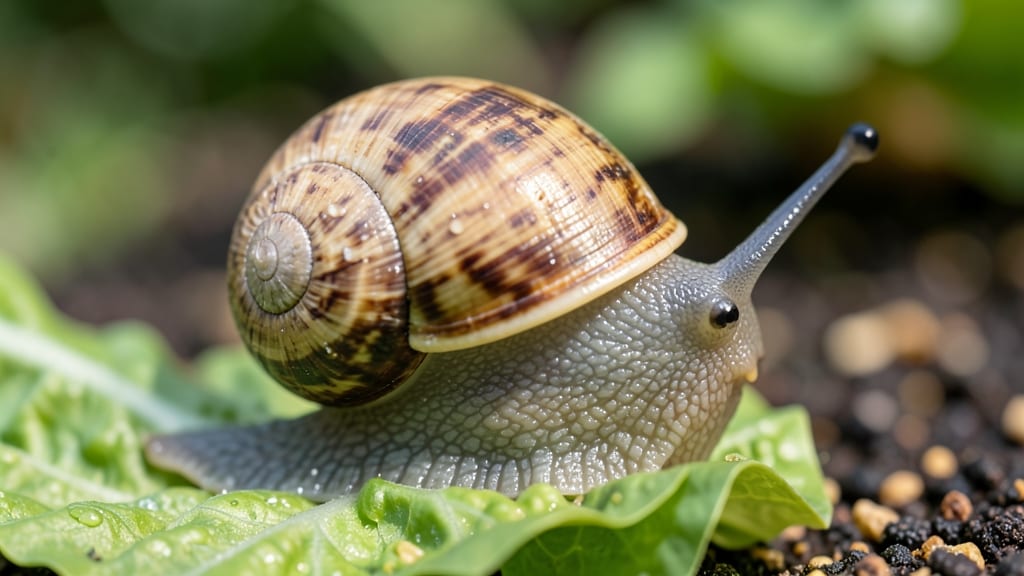
Understanding garden snail anatomy reveals how their spiral shell, muscular foot, retractable head with two feelers, and specialized radula work together to help them thrive in damp environments.
Garden snails have evolved some truly fascinating survival features.
Their spiral shell isn't just for show—it acts like a fortress, protecting their soft bodies from predators and harsh weather. 🌿 Inside, you'll find their heart and digestive system snugly tucked away, while the shell's calcium-rich structure grows with the snail, repairing any damage over time.
Meanwhile, their muscular foot secretes a special mucus that lets them glide smoothly while also keeping them hydrated in dry spells.
What really sets them apart is their radula, a tiny, toothy ribbon that scrapes plant surfaces like a rasp. This specialized tool lets them feed on everything from decaying leaves to fresh vegetables, making them both garden pests and nature's cleanup crew.
Their two feelers act as sensory antennas, detecting moisture and threats from a distance—critical for survival in their damp habitats.
💡 In This Article
- How Garden Snail Shells Protect Their Vital Organs
- Key Adaptations in Snail Feeding and Movement
How garden snail shells protect their vital organs
The garden snail's spiral shell isn't just a decorative feature—it's a biological marvel designed for defense and survival. This coiled structure houses the snail's entire body when retracted, creating a nearly impenetrable fortress.
The shell's calcium carbonate composition makes it both lightweight and strong, capable of withstanding attacks from predators like birds and beetles. 🐌 The spiral shape also provides optimal protection by positioning the snail's most vulnerable organs—the heart and digestive system—deep within the center, shielded from physical impacts.
Shell growth is a fascinating process tied directly to the snail's diet. Garden snails absorb calcium from their environment, particularly from decaying plant matter and limestone-rich soils. This calcium is transported through their bloodstream to specialized cells called mantle cells, which deposit it in concentric layers to build the shell.
A fully grown garden snail shell typically reaches about 1.5 to 2 inches in diameter, with the largest specimens growing up to 2.5 inches—though this can vary based on environmental conditions and food availability.
The shell's spiral design also plays a crucial role in temperature regulation. The coiled structure creates microclimates that help maintain stable internal temperatures, which is vital for the snail's metabolic processes.
During dry periods, the shell's porous nature allows for controlled moisture exchange, preventing the snail from drying out while still protecting it from excessive water loss. This dual functionality makes the shell a multi-purpose survival tool that addresses both physical threats and environmental challenges.
What's particularly interesting is how the shell's shape influences the snail's movement. The spiral orientation allows the snail to retract completely into its shell, leaving only the shell's opening exposed.
This opening is lined with a tough operculum—a hard, trapdoor-like structure that can seal the entrance when the snail isn't active. This dual defense system means that even if a predator manages to pry open the shell, the operculum provides an additional layer of protection for the snail's soft body.
The shell's role extends beyond physical protection to include chemical defense. When threatened, some snails can secrete a slimy substance from their mantle that contains mild toxins, making them less appealing to predators. This chemical barrier works in conjunction with the shell's physical defenses to create a comprehensive protection system.
The combination of these features explains why garden snails have thrived for millions of years in diverse environments worldwide.
Consider this: a garden snail's shell can weigh up to 40% of its total body weight, demonstrating just how much energy and resources the snail invests in this protective structure.
This investment pays off in survival terms, as snails with more robust shells have been shown to live longer and reproduce more successfully. The shell truly is the snail's most critical adaptation, serving as both armor and a lifeline in their damp, often challenging habitats.