
Planting
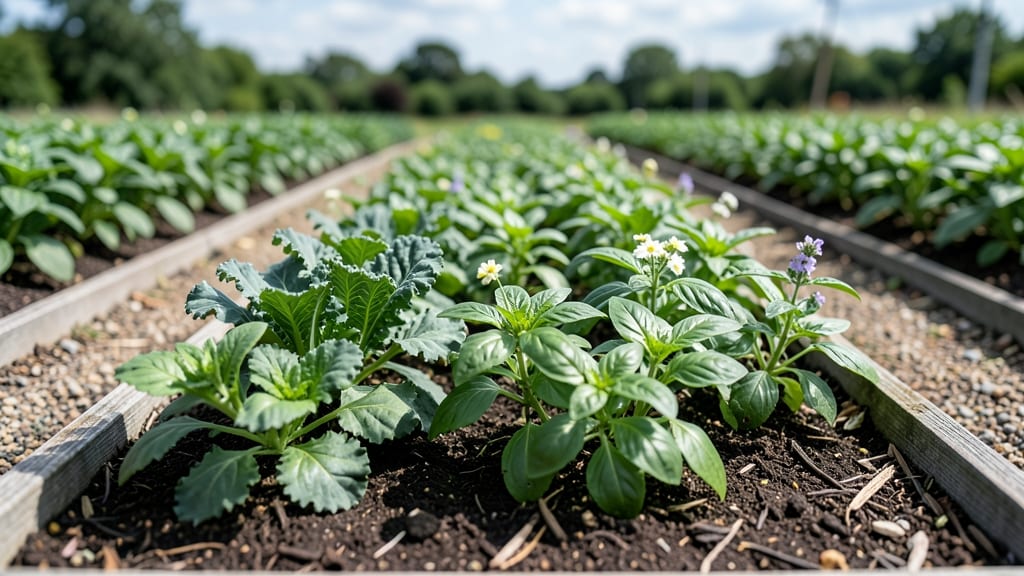
Garden row spacing depends on plant type: most leafy greens need 6–12 inches between rows, root vegetables require 12–18 inches, and larger crops like tomatoes or corn need 24–36 inches for optimal sunlight and airflow. Adjust spacing based on mature plant size to prevent overcrowding and disease.
Proper garden row spacing isn't just about fitting more plants—it's about giving each variety room to thrive. 🌱 Leafy greens like spinach or kale can handle close quarters because their shallow roots don't compete much, but root crops like carrots or beets need extra space to avoid stunted growth.
The key is matching your spacing to how wide the plant will spread at maturity, not how big it is when you plant it. For example, basil thrives in tight rows (6 inches apart), while pumpkins need a full 36 inches or more to sprawl comfortably.
Another critical factor is airflow—crowded plants trap moisture, creating perfect conditions for fungal diseases like powdery mildew. I've seen tomato plants go from lush to wilted in days when planted too closely, so always check your garden's mature plant size before committing to a layout.
For herbs and small veggies, you can even experiment with staggered rows to maximize space in tight gardens.
💡 In This Article
- How Plant Size and Growth Habits Determine Row Spacing
- Exact Row Spacing Charts for 20+ Common Vegetables and Herbs
How plant size and growth habits determine row spacing
Root competition is the hidden battle in your garden that spacing solves. Plants with shallow root systems like lettuce or spinach can share rows at 6–8 inches apart because their roots spread horizontally rather than downward.
But root vegetables like carrots or radishes need 12–18 inches between rows—their taproots grow deep and compete aggressively for nutrients. 💧 The science here is simple: crowded roots starve each other by depleting local soil resources faster than the soil can replenish.
Sunlight interception plays an equally critical role. Tall plants like corn or sunflowers need 24–36 inches between rows because their broad leaves cast dense shade. When you plant them too closely, the inner plants become leggy as they stretch toward any available light, weakening their stems and reducing yields.
I've seen tomato plants in crowded beds produce 30% fewer fruits because the lower leaves never got sunlight and turned yellow from lack of photosynthesis.
Airflow is the unsung hero of disease prevention. Plants like tomatoes or cucumbers need 18–24 inches between rows to allow air to circulate, which prevents fungal spores from lingering in damp conditions.
Without proper spacing, you'll notice a telltale white powder on leaves (powdery mildew) or black spots (early blight)—both signs your plants are suffocating. Even herbs like dill or parsley benefit from 12–18 inches between rows to prevent their feathery leaves from touching and trapping moisture.
Vertical growth habits change the game completely. Vine crops like pole beans or cucumbers need 12–18 inches between rows but can climb trellises to save space. Meanwhile, sprawling plants like pumpkins or zucchini need 36–48 inches because they'll spread outward aggressively.
The key is matching your spacing to the plant's mature width—not its seedling size. A basil plant might start small, but it'll bush out to 12–18 inches wide if given room.
Consider companion planting as a spacing hack. For example, planting 6-inch-apart radishes between 18-inch-apart carrots lets you use space efficiently. The radishes mature quickly, get harvested before they compete, and leave room for the carrots to develop their full taproots.
This "interplanting" strategy works especially well in small gardens where every inch counts.
Soil type also influences spacing needs. Sandy soils drain quickly, so plants might need slightly wider rows to access deeper moisture. Clay soils, which hold water longer, can sometimes accommodate closer spacing because roots won't compete as fiercely.
Always check your local gardening extension service for soil-specific recommendations—what works in my loamy soil might need adjustment for yours.
Remember: the goal isn't just to fit more plants—it's to grow healthier ones. When you match spacing to a plant's natural growth habits, you'll see stronger stems, better yields, and fewer pests. 🌱 That's how you turn a garden into a thriving ecosystem, not just a crowded plot.