
Shrubs
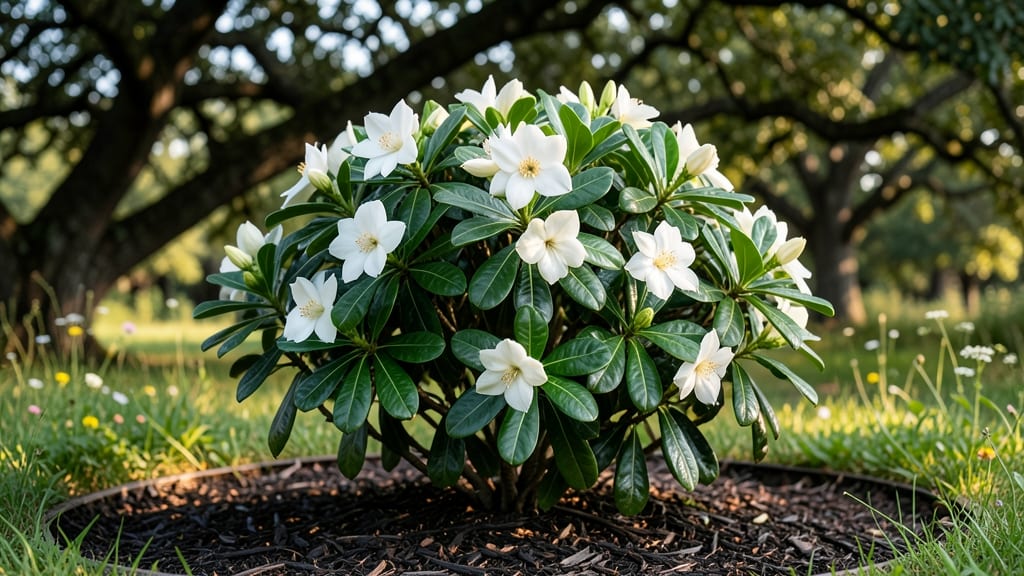
A full grown gardenia 🌸 delivers that intoxicating, sweet fragrance that turns any garden into a sanctuary—but only if you master its care secrets.
Picture this: you step outside after a long day, and the air is thick with the rich, creamy scent of blooms. That’s the magic of a mature gardenia, but it doesn’t happen by accident.
Without the right pruning, soil, and seasonal tweaks, even the hardiest gardenia can turn into a sad, sparse shrub.
Here’s the good news: with the right approach, your gardenia can thrive year-round, blooming abundantly and filling your space with that signature perfume. I’ll walk you through everything—from pruning for continuous flowers to troubleshooting common issues—so you can enjoy that lush, fragrant beauty without the guesswork.
Whether you’re dealing with yellowing leaves, sparse blooms, or just want to keep your gardenia at its peak, this guide gives you the exact steps to transform your plant into a fragrant, flourishing centerpiece.
How to identify and care for a full grown gardenia plant
A full grown gardenia typically reaches 4-6 feet tall with a similar spread, showcasing glossy, dark green leaves that can grow up to 6 inches long. These evergreen shrubs produce highly fragrant white blooms from spring through summer, with some varieties blooming intermittently year-round in ideal conditions.
Recognizing a mature gardenia isn’t just about size—it’s about the rich aroma and luxurious foliage that make it a garden standout.
To care for your mature gardenia plant, focus on three critical factors: sunlight exposure, acidic soil conditions, and consistent moisture. Unlike many shrubs, gardenias thrive in partial shade, especially in hot climates, and demand well-draining, acidic soil with a pH between 5.0-6.5.
Neglect these needs, and you’ll likely see yellowing leaves or sparse blooms, signaling stress or poor growing conditions.
| Characteristic | Details | Care Tip |
|---|---|---|
| Mature Height | 4-6 feet | Prune annually to maintain shape and encourage blooms. |
| Leaf Size | 4-6 inches long, glossy dark green | Yellow leaves? Check soil pH or overwatering. |
| Bloom Cycle | Spring-Summer (year-round in warm climates) | Feed with phosphorus-rich fertilizer in early spring. |
| Sunlight Needs | Partial shade (4-6 hours morning sun) | Afternoon shade prevents leaf burn in hot zones. |
| Soil pH | 5.0-6.5 (acidic) | Amend soil with peat moss or sulfur if pH rises. |
| Watering | Deep soak every 3-5 days (1-2 gallons) | Water at soil level, not leaves, to prevent fungal issues. |
Your full grown gardenia will reward you with abundant fragrance and vibrant blooms when you prioritize morning watering to reduce evaporation and fungal risks. Aim for 1-2 gallons of water every 3-5 days, adjusting for heatwaves where daily deep watering may be necessary.
Potted gardenias dry out faster, so monitor soil moisture closely—dry soil leads to drooping leaves and bud drop.
Soil pH is non-negotiable for gardenias. Test your soil annually and amend with peat moss or sulfur if pH drifts above 6.5. A low pH mimics their native tropical habitat, ensuring optimal nutrient uptake and vibrant blooms.
In desert climates, mulch with pine bark to retain moisture and acidify the soil naturally over time.
Seasonal adjustments are key to keeping your gardenia thriving year-round. In summer, increase watering frequency but avoid wetting leaves to prevent powdery mildew. During winter, reduce watering slightly and protect from cold drafts if temperatures dip below 50°F.
Ever notice buds forming but not opening? This often signals low humidity—mist leaves lightly or use a pebble tray to boost moisture levels.
Common issues like yellowing leaves or sparse flowering usually stem from overwatering or nutrient deficiencies. Create a quick diagnostic checklist: Are leaves yellow and crispy? Likely overwatered. Are they yellow and soft?
Possible root rot. No blooms? Check phosphorus levels in your fertilizer. A balanced 10-10-10 fertilizer applied every 4-6 weeks in spring keeps gardenias blooming beautifully.
Pruning isn’t just about shaping—it’s about encouraging new growth and airflow. After the blooming season, trim back dead or crossing branches and shape the shrub to maintain an open center. Use sterilized pruners to avoid spreading disease, and always prune just above a leaf node to promote regrowth.
Never prune more than 1/3 of the plant at once to avoid shocking the gardenia.
For potted gardenias, container size matters. Roots need room to grow, so opt for a minimum 15-gallon pot with drainage holes. Repot every 2-3 years to refresh soil and prevent root-bound stress.
If your gardenia stops blooming, it might be root-bound—gently loosen roots and trim any that circle the pot before repotting. A well-draining potting mix with perlite keeps roots healthy and prevents waterlogging.
Pro tip: Deadhead spent blooms regularly to redirect the plant’s energy into new flower production. This simple habit can double your blooms if done consistently.
Pair this with a light feed of Epsom salt (1 tbsp per gallon of water) every 2 months to boost magnesium levels—gardenias love it and
Step-by-step pruning guide for year-round gardenia blooms
Pruning your full grown gardenia isn’t just about shaping its lush, glossy foliage—it’s the secret to unlocking year-round blooms and keeping your shrub healthy. When done right, pruning encourages new growth, removes deadwood, and prevents overcrowding that can choke your plant’s fragrance.
The key is timing: prune at the wrong time, and you might sacrifice next season’s flowers. Let’s dive into the exact steps to transform your gardenia into a continuous blooming powerhouse.
Before grabbing your shears, gather the right tools: sterilized bypass pruners for clean cuts, sharp hand pruners for smaller branches, and a glove to protect your hands from thorns. You’ll also need pruning sealant (optional) to prevent disease entry on larger cuts.
Work on a dry, sunny day when the air is calm—this reduces stress on the plant and helps cuts dry faster. Remember, gardenias are sensitive to stress, so take your time and avoid over-pruning.
🌿 Step-by-Step Pruning Guide
-
1
Remove Dead or Diseased Branches
Start by inspecting your gardenia for brown, mushy, or hollow branches. These are dead or infected and should be cut back to the nearest healthy bud or branch. Make cuts at a 45-degree angle just above a leaf node to encourage new growth. -
2
Shape the Shrub
Use light pruning to shape your gardenia into a rounded, bushy form. Trim back overly long branches by up to one-third of their length. Avoid cutting into old wood—focus on new growth to keep the plant vibrant. -
3
Encourage New Blooms
After your gardenia finishes flowering, prune spent blooms down to the first set of leaves. This redirects energy to new flower buds forming at the tips of branches. Avoid heavy pruning in late summer—this can delay next year’s blooms. -
4
Thin Out Crowded Areas
Look for overcrowded branches that rub against each other. These can lead to disease and weak growth. Remove one or two branches per cluster to improve airflow and light penetration. This step is crucial for preventing fungal issues. -
5
Clean Up and Disinfect
After pruning, sterilize your tools with rubbing alcohol to prevent spreading disease. Remove all clippings and debris from the base of the plant to reduce pests and fungal spores. This keeps your gardenia healthy and thriving for the next blooming cycle.
Timing your pruning is everything. For year-round blooms, prune your gardenia in early spring (February-March) just as new growth begins. This encourages summer and fall flowering. Avoid heavy pruning in late summer or fall, as this can stunt next year’s blooms.
If you notice overgrown branches in winter, do a light trim to maintain shape, but avoid major cuts.
Post-pruning care is just as important as the cuts themselves. Water your gardenia deeply after pruning to help it recover. Apply a layer of mulch around the base to retain moisture and protect roots.
For the next 4-6 weeks, monitor your plant closely for signs of stress, like yellowing leaves or wilting. If you notice any issues, adjust your watering or fertilizing routine accordingly. With the right care, your gardenia will reward you with fragrant blooms all year long.
Pro tip: If your gardenia isn’t blooming as much as you’d like, it might be over-fertilized with nitrogen. Switch to a phosphorus-rich fertilizer (like a 10-20-10 blend) to encourage flowering. Pair this with your pruning routine, and you’ll have a perfume-filled garden that never stops impressing.