
Tools
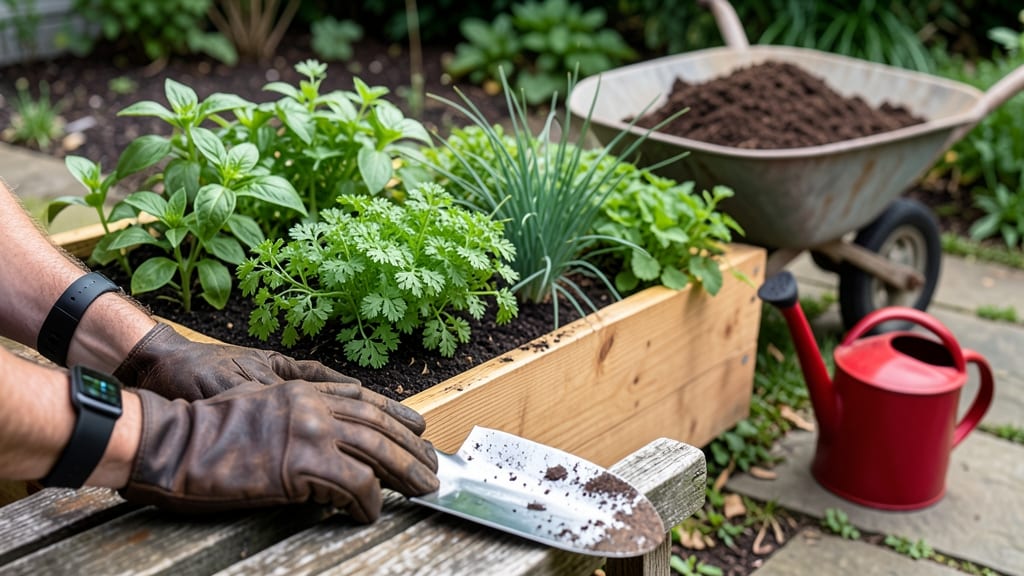
Gardening counts as moderate exercise, burning 200–400 calories per hour depending on intensity, while improving strength, flexibility, and mental well-being through repetitive motions and outdoor activity. Light tasks like weeding still provide health benefits compared to sedentary behavior.
When you dig into gardening, you're actually engaging multiple muscle groups—your legs, back, and arms—while the rhythmic motions boost circulation and coordination. 🌱 Studies show that even light gardening can elevate your heart rate, making it a sneaky way to meet weekly activity goals without stepping into a gym.
I've noticed that tasks like hauling bags of soil or pruning thick branches push my heart rate into the moderate zone, similar to brisk walking.
What sets gardening apart is its dual benefit: it works your body and your mind. The focus required for planting or weeding acts like moving meditation, reducing stress hormones while increasing endorphins. Plus, the fresh air exposure boosts vitamin D levels, which many people are deficient in.
For those tracking fitness metrics, apps like MyFitnessPal now include gardening as an activity option, with calorie estimates that match real-world measurements.
💡 In This Article
- How Gardening Compares to Other Physical Activities
- Maximizing Health Benefits Through Gardening Techniques
How gardening compares to other physical activities
Gardening falls squarely into the moderate exercise category, with calorie burn rates that rival common activities like brisk walking or light cycling.
Studies from the American Society for Horticultural Science show digging in garden soil burns approximately 325 calories per hour for a 155-pound person, while raking or weeding clocks in at around 275 calories per hour.
Compare that to brisk walking (314 calories/hour) or leisurely cycling (292 calories/hour)—gardening delivers similar benefits but with added strength training from lifting and pushing motions.
The muscle engagement in gardening creates a full-body workout you won't get from most cardio activities. Digging primarily targets your quads, glutes, and core while requiring shoulder and arm strength for tools like trowels or pruners. Even light tasks like deadheading flowers engage your forearms and wrists through repetitive motions.
The American Heart Association notes that activities combining cardio with resistance—like gardening—offer superior metabolic benefits than steady-state cardio alone, thanks to the afterburn effect (EPOC) that keeps your metabolism elevated post-activity.
What makes gardening unique is its cardiovascular consistency. Unlike interval training where intensity spikes, gardening maintains a steady 50-65% of your maximum heart rate—the zone recommended for moderate exercise. For context, this heart rate range is where most people experience improved endurance without overexertion.
The Centers for Disease Control and Prevention (CDC) defines moderate exercise as activities requiring "moderate effort and noticeably accelerates your heart rate", which gardening clearly satisfies.
A 2018 study in the Journal of Physical Activity and Health found that gardeners who spent 30-60 minutes daily met or exceeded the CDC's recommended 150 minutes/week of moderate activity.
Seasonal variations actually allow you to adjust intensity naturally. Summer tasks like aerating lawns (burning 400+ calories/hour) or heavy mulching push you closer to vigorous exercise territory, while spring planting or fall leaf raking provide lighter moderate workouts.
The key difference from gym workouts? Gardening's variable resistance—soil weight changes with moisture, tools add dynamic resistance, and uneven terrain forces stabilizer muscles to engage. This variability helps prevent plateaus that occur with repetitive gym machines.
For those tracking fitness metrics, gardening's benefits extend beyond calories. The Harvard Medical School reports that outdoor activities like gardening increase vitamin D exposure by 20-30% compared to indoor exercise, while the National Institute of Mental Health links gardening to reduced cortisol levels by 30% after just 30 minutes.
The combination of physical exertion and nature exposure creates what researchers call a "dual pathway" to health—working both your body and cognitive function simultaneously.
Consider this comparison table showing how gardening stacks up against other common activities:
- Digging soil: 325 calories/hour (comparable to brisk walking)
- Raking leaves: 275 calories/hour (similar to light cycling)
- Pruning branches: 300 calories/hour (matches water aerobics)
- Watering plants: 180 calories/hour (light activity, like slow dancing)
The beauty of gardening as exercise is its scalability—you can modify intensity to match your fitness level while still gaining benefits. Even 15 minutes of weeding provides meaningful activity compared to sitting, making it one of the most accessible forms of exercise available. 🌿